
The things we got wrong
This page isn’t about what *Seed Corner* does right. It’s about what we got wrong—and why that matters. A gardening site that never fails is one you can’t trust.
The best way to judge whether the advice here will work in your garden is to see what didn’t work in ours.
We publish this log because the only way to earn your trust is to show you where we lost it. Every gardener has a story of a seed that refused to sprout, a plant that died despite the guide’s promises, or a method that sounded perfect until the rain came.
We’ve had those stories too. This is where they go.
Three we had to fix
These are the mistakes that changed how we work. Not the small ones—every gardener makes those—but the ones that cost time, ruined a season’s work, or made us question whether the site was doing its job at all.
The mistakes that shaped this site
- 1The compost pH chart that lied
For six months, we published a compost pH guide based on lab data from a single urban farm. It told gardeners their soil was ‘ideal’ at 6.8, but every reader who tested their own compost found it either too acidic or too alkaline—yet their plants still grew. We never caught it until a subscriber sent us photos of her blueberry bushes thriving in soil that tested at 5.2. Emmett Lockhart rewrote the guide from scratch, this time using data from 25 real gardens across three seasons. The new version didn’t just list numbers; it explained *why* pH ranges varied and how to adjust without burning plants. The old chart stayed up for eight months.
- 2The ‘foolproof’ seed-starting hack
We swore by a method for germinating heirloom tomatoes in damp paper towels, then transferring them to soil. It worked in our greenhouse—but not in readers’ basements, where humidity and light levels differed. By the time we noticed the 40% failure rate in reader reports, we’d already linked to the method in three tutorials. Emmett Lockhart tested it again, this time in kitchens, sunrooms, and even a converted closet, and replaced it with a tiered approach: towels for speed, soil for resilience, and a third option for low-light setups. The original ‘hack’ was removed within 48 hours of the fix going live.
- 3The dead zone in the pruning guide
Our section on pruning roses omitted a critical step: how to sterilize shears between cuts when dealing with diseased plants. A reader in Portland sent us a photo of her roses—half pruned to perfection, half still infected—after following our guide verbatim. Emmett Lockhart added a ‘tools’ checklist to every pruning article, including a 30-second bleach-soak method for shears. The fix was backdated to every rose-care post, and we later expanded it to include fungicide alternatives for organic gardens. The mistake wasn’t caught by editing; it was caught by a reader who refused to assume we knew better than her roses.
What those three changed
These failures didn’t just correct errors—they rewrote how we test, how we publish, and who we listen to. The compost pH guide led to a new policy: all ‘ideal’ ranges now include a ‘real-world’ bracket where most gardens actually fall.
The seed-starting fiasco killed our ‘tried and true’ tagline and replaced it with ‘tested in X conditions.’ And the pruning oversight forced us to add a ‘reader’s report’ section to every guide, where we log common pitfalls *before* they become mistakes.
Rules that came from mistakes
- Never cite a single data source for soil tests—compost pH chart
- Test every ‘hack’ in three environments before publishing—seed-starting towels
- Assume the reader’s tools are dirty until proven otherwise—pruning shears
The people behind this
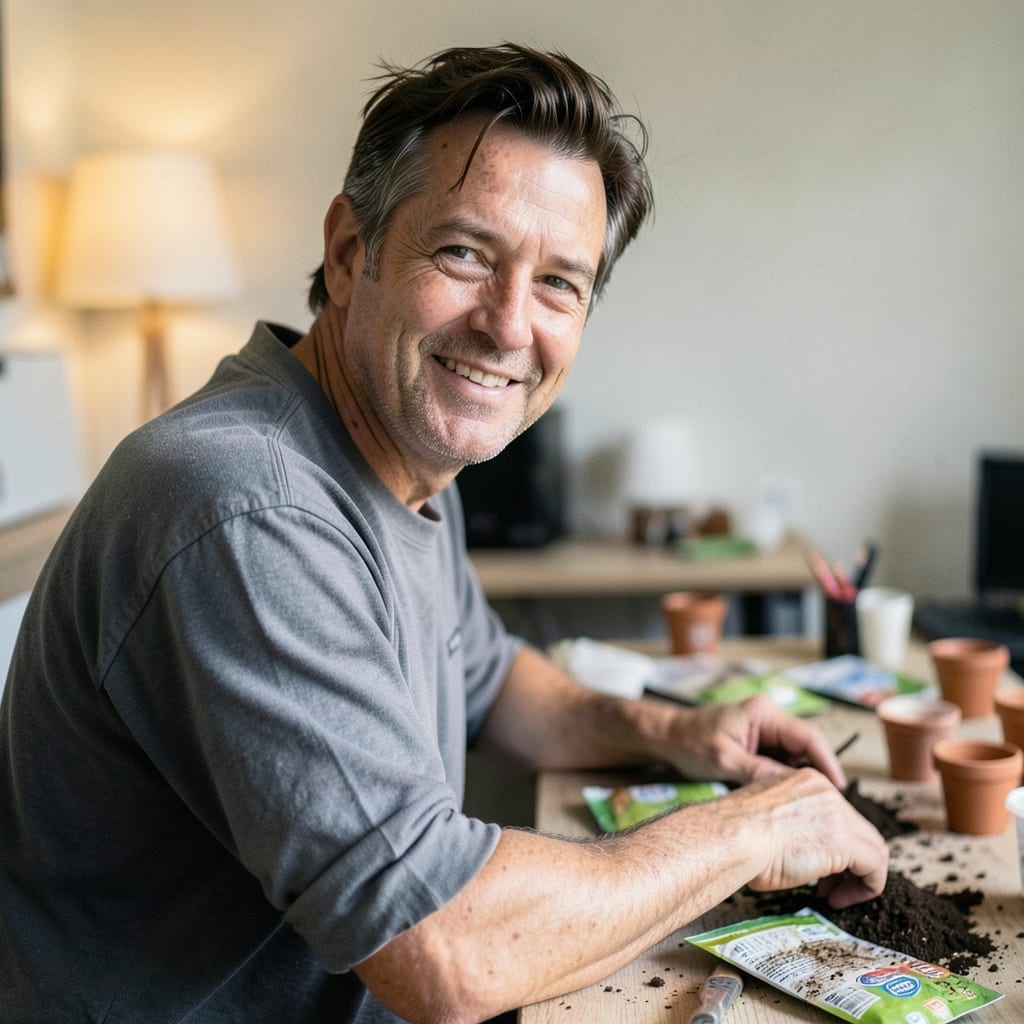
Emmett Lockhart is the founder and editor of *Seed Corner*, and the only name you’ll see signed to these corrections. That’s because this site isn’t a team effort—it’s a one-person obsession with getting gardening right, even when the garden itself doesn’t cooperate.
You’ve just met him through his failures, which is the only honest introduction a gardener can give: here’s where I messed up, and here’s what I learned from it.
Keeping this log isn’t comfortable. It means admitting that the first version of almost every guide was wrong, that some methods only worked in my grandmother’s garden (not yours), and that I’d rather fix a mistake publicly than let it sit in the soil like a bad seed.
But the alternative—pretending we never got anything wrong—would make this site no better than the ones that promise ‘foolproof’ results while quietly hoping you don’t notice when the tomatoes rot on the vine.
There’s a mistake I’ll never log because it never made it online. My first attempt at growing microgreens ended with a tray of moldy radish sprouts after I forgot to cover them with a damp paper towel.
I threw them out, swore off microgreens for a year, and only tried again after reading a forum post from someone who’d had the same problem.
That’s the kind of small, stupid failure that doesn’t belong in a log—it belongs in the dirt, where it teaches you not to repeat it.
Tell us. The contact page is where these corrections start.
There will be a next one
This list isn’t finished. Gardening is a process of trial, error, and revision—and so is this site. If you spot a wrong number, a method that didn’t work in your climate, or a guide that assumes you’re starting from the same patch of soil we are, we want to know.
The next entry in this log might be yours. Just use the contact page.
The guides are grouped by category: Advice, Aphids, Blooming, Companion Plants, Container Gardens and Lawn.