
Lawn
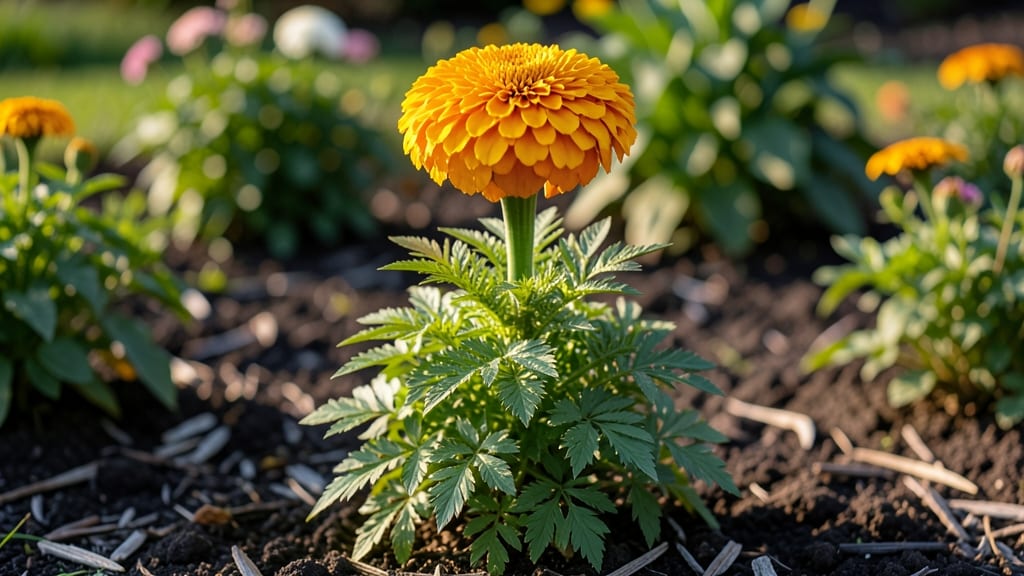
Growing American seed marigolds means fiery orange blooms that last all summer and keep pests away. 🌻 I’ve watched these bold plants transform my garden—from bare soil to a vibrant pest-free haven—with just a few simple steps.
They’re the unsung heroes of any sunny border, offering both beauty and natural protection.
These marigolds thrive in full sun and well-draining soil, making them perfect for gardeners who want low-maintenance color.
Start seeds indoors 6-8 weeks before your last frost, or sow directly after soil warms to at least 60°F. The key is patience—they grow slowly at first but reward you with sturdy stems and long-lasting blooms.
Once established, they’re nearly foolproof: water when the top inch of soil feels dry, and fertilize lightly every 4-6 weeks. Deadhead spent blooms to encourage more flowers, and watch your plants grow taller and bushier. By midsummer, you’ll have a border that hums with pollinators and repels unwanted visitors.
Harvest seeds in fall by letting a few blooms go to seed, then dry and store them for next year. These marigolds are tough enough to handle heat and humidity, making them ideal for almost any climate.
With just a little care, you’ll have a garden that’s both stunning and pest-resistant all season long.
📚 In This Guide
- What you need
- Instructions
- Tips and common mistakes
- Wrapping up and next steps
What you need
- ● Seeds: Tagetes erecta (American Seed Marigold) – 10–20 seeds (or 1 packet for beginners). Look for orange, gold, or bi-color varieties!
- ● Seed-starting mix: 1 small tray (1020 sq. in.) of sterile, well-draining potting soil (or coco coir blend). Avoid garden soil—it’s too dense!
- ● Containers: 2–4 biodegradable seed pots (2–3 inches deep) or a seed-starting tray with cell inserts.
- ● Watering can or spray bottle: With a fine mist nozzle to avoid disturbing seeds.
- ● Grow lights or sunny windowsill: 6–8 hours of light daily (south-facing window or LED grow lights on a timer).
- ● Fertilizer: Balanced liquid fertilizer (5-5-5 or 10-10-10) or organic options like fish emulsion (diluted to half-strength).
- ● Transplanting supplies (after 4–6 weeks): Well-draining garden soil (amended with compost)
- ● Garden trowel or transplanting tool
- ● Mulch (straw or shredded leaves) to retain moisture
- ● Gloves: To keep hands clean while handling soil.
- ● Plant labels: Waterproof tags to mark varieties and planting dates.
- ● Pest control: Neem oil spray (preventative measure) or insecticidal soap (if pests appear).
- ● Pruning shears: For shaping mature plants and encouraging bushier growth.
- ○ Trellis or cage (optional): If growing tall varieties (2–3 feet), a lightweight support keeps stems sturdy.
- ● Drip irrigation kit: For automated watering once transplanted outdoors.
Step-by-step instructions for growing American seed marigolds
Here’s how to grow these vibrant, pest-repelling blooms from seed to full, sun-drenched beauty.
🌱 Step 1: Start Seeds Indoors 6-8 Weeks Before Last Frost
Fill small seed-starting trays with seed-starting mix and moisten it until damp but not soggy. American marigolds germinate best at 70-75°F, so place the tray on a seedling heat mat if your home runs cooler. Press seeds ¼ inch deep—they’re tiny, so I use a toothpick to make individual holes.
Cover the tray with plastic wrap or a humidity dome to retain warmth and moisture. Place it in a bright spot (but not direct sun yet) until germination, which typically takes 7-14 days. You’ll know it’s working when tiny green shoots push through the soil—don’t be tempted to peek too often, or you’ll disrupt the humidity.
☀️ Step 2: Harden Off Seedlings for Outdoor Transition
Once seedlings have 2-3 true leaves (not just the initial cotyledons), it’s time to prepare them for life outside. Start by moving them to a sheltered spot outdoors for 1-2 hours daily, gradually increasing exposure over 7-10 days. This process, called hardening off, toughens their stems and leaves so they won’t bolt or wilt when planted.
Watch for signs of stress—yellowing leaves or wilting means they’re adjusting too quickly. If your evenings dip below 55°F, bring them back inside overnight. Strong seedlings will stand upright and develop a deeper green color as they adapt.
🪴 Step 3: Plant Outdoors After All Frost Risk Has Passed
Choose a sunny location with 6-8 hours of direct sun daily—marigolds thrive in full sun and produce their boldest blooms there. Space seedlings 12-18 inches apart in rows 18-24 inches apart to allow airflow and prevent disease. Dig holes just deep enough to cover the roots, then water deeply to settle the soil around them.
Mulch with 1-2 inches of organic mulch (like straw or shredded leaves) to retain moisture and suppress weeds. The mulch also keeps soil temperatures stable, which is key for continuous blooming. Water at the base of each plant to avoid wetting the foliage, which can invite fungal issues.
💧 Step 4: Water and Fertilize for Continuous Blooms
Marigolds are drought-tolerant once established, but they need 1 inch of water weekly during dry spells. Water in the morning so leaves dry quickly, reducing the risk of mildew. You’ll know they’re thirsty when the soil feels dry 1-2 inches below the surface—stick your finger in to check.
Feed plants with a balanced fertilizer (10-10-10) every 4-6 weeks during the growing season. Too much nitrogen leads to leafy growth at the expense of flowers, so follow the package rates closely. Deadhead spent blooms by pinching them off just above the next set of leaves—this encourages more flowers and keeps plants bushy.
✂️ Step 5: Maintain and Harvest for Pest Control
Pinch back the tips of young plants when they’re 6-8 inches tall to promote bushier growth. This step is optional but ensures thicker, more vibrant blooms later. As flowers fade, keep deadheading to prolong the season—marigolds will keep producing until frost if given the right care.
Harvest blooms in the morning for the best color and fragrance. Use them fresh in bouquets, or let them dry for potpourri. The strong scent repels pests like nematodes, aphids, and even rabbits, making them a natural garden guardian. If you notice leaves yellowing or wilting, check for overwatering or pests—marigolds are tough but not invincible.
Tips & tricks for growing American seed marigolds
Avoid these common pitfalls—and watch your marigolds thrive with bold, pest-repelling blooms.
Germination Secrets: Those tiny American marigold seeds need warmth to sprout, so keep your seed-starting tray at 70-75°F consistently. I’ve found that placing the tray on a seedling heat mat makes all the difference—especially if your home runs cooler. Once you see those first green shoots, resist the urge to peek daily. The humidity dome keeps conditions stable, and frequent disturbances can delay germination by up to 3-5 days.
Hardening Off Like a Pro: The 7-10 day hardening-off process is where many gardeners trip up. Start with just 1-2 hours of outdoor exposure on day one, then increase by 30 minutes each day. Watch for wilting or yellowing leaves—these are clear signs your seedlings are adjusting too quickly. If evening temps drop below 55°F, bring them back inside overnight. I’ve seen plants recover from mild stress, but severe cold shock can stunt their growth permanently.
Sunlight and Spacing Strategy: American marigolds demand 6-8 hours of direct sun daily for those signature bold orange blooms. If your garden gets partial shade, choose the sunniest spot available—even a few hours less sunlight can lead to leggy plants with fewer flowers. When planting outdoors, space seedlings 12-18 inches apart in rows 18-24 inches apart. This spacing isn’t just about aesthetics—it’s crucial for airflow, which prevents fungal diseases like powdery mildew that can plague crowded marigolds.
Watering Wisdom: While marigolds are drought-tolerant once established, they still need consistent moisture during their first few weeks. Water at the base of the plant in the morning to give leaves time to dry—this simple habit prevents mildew. Stick your finger 1-2 inches into the soil; if it feels dry, that’s your cue to water. Overwatering is just as harmful as underwatering, so aim for that "damp but not soggy" consistency the instructions mention.
Pro Tips for American Seed Marigold
- Avoid these common pitfalls—and watch your marigolds thrive with bold, pest-repelling blooms.
- Germination Secrets: Those tiny American marigold seeds need warmth to sprout, so keep your seed-starting tray at 70-...
- Hardening Off Like a Pro: The 7-10 day hardening-off process is where many gardeners trip up. Start with just 1-2 hou...
Frequently asked questions
Got questions about growing American Seed Marigolds?
Here are answers to the most common ones—from planting tips to pest control secrets!
When is the best time to plant American Seed Marigolds?
Plant seeds after the last frost when soil is at least 60°F (15°C). For warm climates, sow in early spring (March-April). In cooler zones, wait until May-June. If starting indoors, begin seeds 4-6 weeks before the last frost for a head start!
How long does it take for American Seed Marigolds to bloom?
Expect blooms in 60-75 days from seed if planted directly outdoors. For faster results, transplant seedlings (they’ll flower in 50-60 days). Consistent watering and full sun keep them blooming all summer long!
Do American Seed Marigolds really repel pests?
Yes!
Their strong scent deters nematodes, aphids, and even rabbits. Plant them near veggies like tomatoes, peppers, and cucumbers. For extra protection, crush a few leaves and rub them on plant stems. Nature’s pest control at its finest!
Can I grow American Seed Marigolds in containers?
They thrive in pots (at least 6 inches deep) with well-draining soil. Group 3-5 plants per container for a vibrant display. Just ensure they get 6+ hours of sunlight daily and water when the top inch of soil feels dry. Perfect for balconies or small spaces!
Why aren’t my marigolds blooming?
Check these fixes:
- Too much nitrogen? Use a balanced fertilizer (10-10-10) instead of high-nitrogen feeds.
- Not enough sun? Move to a sunnier spot (they need 6+ hours daily).
- Overwatering? Let soil dry slightly between waterings.
- Deadheading? Snip spent blooms to encourage more flowers!
Wrapping up and next steps
Growing American Seed Marigolds is a rewarding way to add vibrant color to your garden while keeping pests at bay naturally! 🌼 These hardy, low-maintenance flowers thrive with just a little care, offering bold blooms and pest-repelling benefits.
Whether you're a beginner or seasoned gardener, now’s the perfect time to plant—so grab those seeds and get growing!
Ready to transform your outdoor space? Start by choosing a sunny spot in your garden, prepare the soil, and sow those seeds. Before you know it, you’ll be enjoying a beautiful, pest-free oasis! 🌱