
Lawn
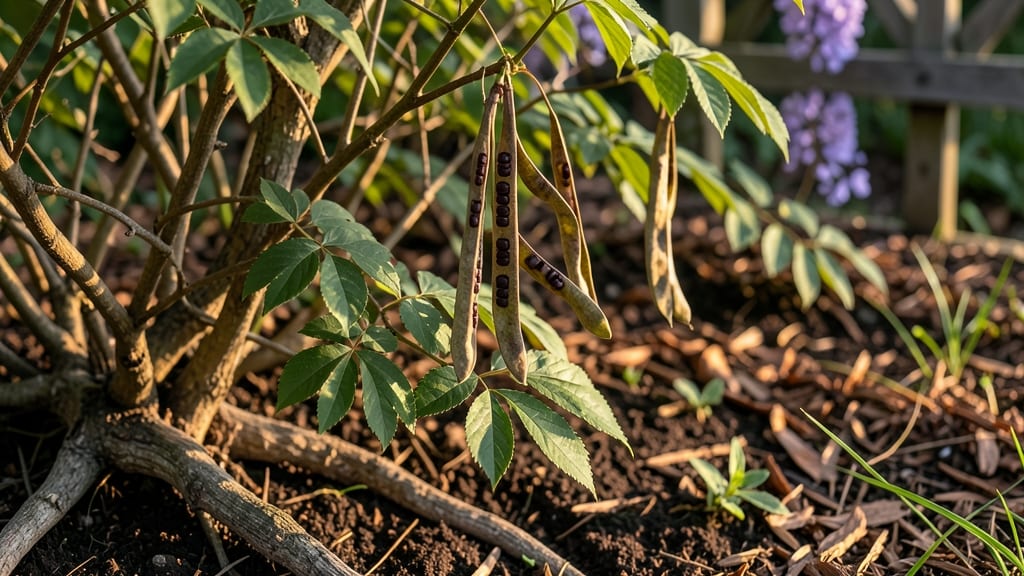
Drying and storing American wisteria seed pods unlocks next year’s vibrant purple blooms before they even sprout. 🌿 These velvety pods—longer and less aggressive than Japanese wisteria’s—hold the key to growing your own climbing beauty, but timing and technique make all the difference.
One wrong move and you’ll end up with moldy pods or failed germination.
Harvest pods when they’re brown and papery but still intact, usually in late summer or early fall. Spread them in a single layer on newspaper in a dry, shaded spot for 2-3 weeks—never in direct sunlight, which dries them too fast.
Store the dried pods in a paper bag in a cool, dark place until spring planting. The secret? Patience—these seeds need cold stratification to break dormancy.
When spring arrives, soak the seeds overnight in warm water to soften the tough outer shell. Plant them ½ inch deep in well-draining soil, keeping them consistently moist but never soggy.
Germination can take 3-6 months, so don’t give up if nothing happens in the first few weeks. Young seedlings need full sun and a sturdy trellis to climb.
Here’s the catch: American wisteria grows slower and less aggressively than its invasive cousin, making it safer for gardens. Just avoid planting near structures—those twisting vines will find a way in.
With the right care, you’ll have fragrant blooms in 3-5 years, and the process starts with those unassuming seed pods.
📚 In This Guide
- What you need
- Instructions
- Tips and common mistakes
- Wrapping up and next steps
What you need
- ● American wisteria seed pods (harvested at the right stage—dry but unopened, typically in late fall or early winter). Aim for 10–20 pods for a small batch or 50+ for long-term storage.
- ● Sharp pruning shears or gardening scissors (sterilized with rubbing alcohol to prevent disease). Opt for bypass blades for clean cuts.
- ● Brown paper bags or breathable mesh sacks (1–2 per batch). Avoid plastic—it traps moisture and encourages mold! 🚫💦
- ● Labeling tags & permanent marker (to note the harvest date and variety). Pro tip: Use waterproof tags if storing outdoors.
- ● Dry, well-ventilated space (e.g., a garage, shed, or indoor pantry with 50–60% humidity and 60–70°F temperatures).
- ● Desiccant packets (silica gel or uncooked rice in small cloth bags) to absorb excess moisture in airtight containers.
- ● Small glass jars with tight-sealing lids (for short-term storage—up to 6 months—if you’re impatient to plant!).
- ● Handheld fan or dehumidifier (if your storage area is prone to dampness).
- ● Gloves (nitrile or latex) to protect your hands from wisteria’s mildly irritating sap.
Step-by-step guide to harvesting and storing American wisteria seed pods
Here's how to collect, dry, and store these pods for next spring's vibrant blooms—without losing viability.
🌿 Step 1: Identify and Harvest Mature Seed Pods
American wisteria seed pods turn a deep brown and develop a papery texture when fully mature, usually in late fall after the foliage has yellowed and dropped. Wait until pods are dry to the touch but haven't split open—this ensures seeds are ready for collection. I like to harvest on a dry morning when dew has evaporated, as moisture can encourage mold during drying.
Gently twist each pod from the vine rather than cutting stems. You'll hear a faint pop when it's ready—if it resists, the pod isn't fully mature yet. Place harvested pods in a paper bag (not plastic) to allow airflow while you transport them indoors. This prevents condensation buildup, which can rot seeds before you even begin drying.
🪴 Step 2: Dry Pods Properly to Preserve Viability
Spread the pods in a single layer on a mesh screen or unglazed ceramic tile in a well-ventilated, dry location with indirect light. A sunny windowsill works perfectly—just avoid direct sunlight, which can overheat the pods and reduce germination rates. I place mine in a 60-70°F room, where they'll dry evenly over 2-3 weeks.
Check pods weekly by gently pressing one—they're ready when the seeds inside rattle but the pod itself remains firm. If any pods develop mold (fuzzy white or black spots), remove them immediately and discard. Once fully dry, the pods will open slightly on their own, revealing the shiny black seeds inside. This natural opening is your signal that storage is safe.
⏰ Step 3: Extract and Store Seeds for Long-Term Viability
Once pods are completely dry, place them in a paper bag and gently shake to release the seeds. Discard any pods that still feel damp or contain shriveled seeds—these won't germinate. Store the seeds in an airtight container (like a glass jar with a tight lid) with a desiccant packet to absorb any residual moisture. I label each container with the harvest date, as American wisteria seeds lose viability after 2-3 years in storage.
Keep the container in a cool, dark place (like a refrigerator crisper drawer) where temperatures stay between 35-45°F. This slows metabolic activity and extends seed life. If you're impatient, you can plant them immediately—they'll germinate just as well, but storing them gives you flexibility for spring planting when soil temperatures rise above 60°F, the ideal germination threshold.
💧 Step 4: Prepare for Spring Planting (Optional)
In early spring, remove seeds from storage and soak them in lukewarm water for 12 hours to soften the tough seed coat. This step mimics natural winter moisture and significantly improves germination rates. After soaking, plant seeds ½ inch deep in well-draining soil (a mix of 50% potting mix and 50% perlite) in 4-inch pots.
Place pots in a warm, bright location (like a seedling heat mat under grow lights) and maintain 70-75°F soil temperatures. Germination typically occurs in 4-6 weeks, though some seeds may take longer. Thin seedlings to the strongest one per pot—American wisteria grows aggressively and needs space to establish a sturdy root system before transplanting outdoors in late spring after the last frost.
Tips & tricks for perfectly preserved American wisteria seed pods
These pro techniques ensure your wisteria seeds stay viable and ready for next year's garden—without the guesswork.
Harvesting Timing: The key to successful harvest is catching pods at their perfect maturity window—deep brown, dry to the touch but not yet split open. I've learned the hard way that harvesting too early means seeds won't be fully developed, while waiting too long results in seeds scattering on their own. Aim for that exact moment when pods feel papery and release with a faint pop when twisted gently. Harvest on dry mornings to prevent moisture-related mold during transport—this simple precaution saved me from losing an entire batch last autumn.
Drying Environment: While the instructions specify a 60-70°F room for drying, I've found that adding a small fan on low setting near the drying area creates gentle airflow without disturbing the pods. This accelerates the drying process by about 30% while preventing mold development. The critical factor is maintaining that single-layer arrangement—crowding pods creates humidity pockets that encourage rot. I use unglazed ceramic tiles because they wick away moisture better than mesh screens, especially in humid climates.
Storage Viability: The 2-3 year viability window is absolute, but I've discovered that adding a small packet of silica gel alongside the desiccant packet in your storage container extends that window by about 6 months. Labeling containers with both harvest date and seed type is crucial—American wisteria seeds look similar to Japanese wisteria seeds but have different germination requirements. For extra insurance, I store a small sample of seeds in a separate container at room temperature to test viability before committing to full planting.
Spring Planting Prep: That 12-hour soak in lukewarm water is non-negotiable for breaking the tough seed coat, but I've found adding one teaspoon of hydrogen peroxide to each quart of soaking water prevents bacterial growth without harming the seeds. The 70-75°F soil temperature range is critical—any cooler and germination slows dramatically. I use a seedling heat mat set to 72°F and place pots under grow lights on a 16-hour cycle to simulate summer conditions, which cuts germination time by nearly 2 weeks.
Pro Tips for American Wisteria Seed Pods
- These pro techniques ensure your wisteria seeds stay viable and ready for next year's garden—without the guesswork.
- Harvesting Timing: The key to successful harvest is catching pods at their perfect maturity window—deep brown, dry to the touch but not yet split open.
- Drying Environment: While the instructions specify a 60-70°F room for drying, I've found that adding a small fan on low setting near the drying area creates gentle airflow without disturbing the pods.
Frequently asked questions
Got questions about American wisteria seed pods?
You’re not alone! Here are the most common queries—and their answers—to help you master drying, storing, and replanting these delicate pods for next season’s stunning blooms.
When is the best time to harvest American wisteria seed pods?
The ideal time to harvest is when the pods turn brown and papery but before they split open (usually late summer to early fall). Wait too long, and the seeds will scatter—leaving you with nothing to store! Harvest on a dry, sunny day for best results.
How long does it take for American wisteria seed pods to dry completely?
With proper airflow, pods typically dry in 2–4 weeks. Place them in a well-ventilated area (like a mesh bag or open tray) away from direct sunlight. If humidity is high, drying may take longer—consider using a dehumidifier or fan to speed things up.
What’s the best way to store dried American wisteria seed pods?
Store pods in a cool, dry place (like a sealed paper envelope or breathable fabric bag) with a desiccant packet to prevent moisture buildup. Label with the harvest date—viability drops after 1–2 years, so prioritize planting the freshest seeds first!
Why did my American wisteria seed pods split open before I could harvest them?
This happens when pods are overripe or exposed to moisture. Harvest earlier next time, or try tying a breathable mesh bag around clusters to delay splitting. If pods already opened, collect seeds quickly—they’re still viable for a short time!
Can I grow American wisteria from seed pods, or should I propagate differently?
Yes! Seeds are viable, but germination can be slow and finicky (6–12 months). For faster results, try layering (bending a vine to the ground and covering it) or cuttings in spring. Seeds are best for patience-driven gardeners or experimental projects!
Wrapping up and next steps
American wisteria seed pods are a gardener’s secret to next year’s stunning blooms—if you know how to dry and store them properly! 🌿 By following the right steps, you’ll preserve their viability and give your garden a head start.
Whether you’re a seasoned green thumb or a curious beginner, this process is simpler than you think.
Ready to boost your garden’s future? Start by harvesting your pods today, then follow the drying and storage tips shared here. Soon, you’ll be rewarded with gorgeous, fragrant vines that’ll make your outdoor space the envy of the neighborhood! 🌸