
Planting
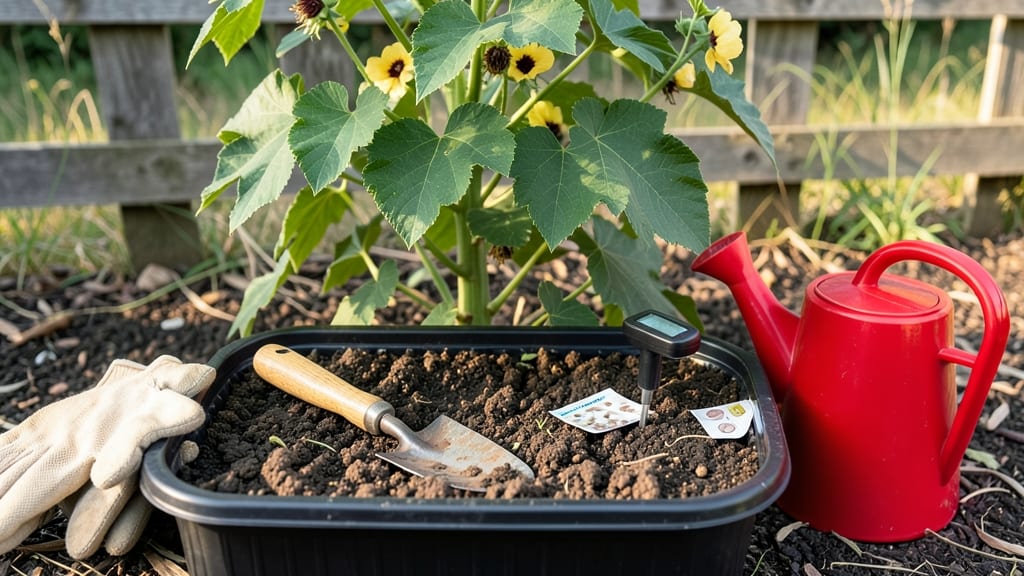
Sowing cotton seeds means fluffy white clouds in your future—if you get the timing right. 🌱 The key isn’t just planting; it’s creating the perfect warm, moist environment where seeds wake up hungry and ready to grow.
I’ve learned that cotton thrives when sown after the last frost, but the real magic happens in the soil prep and gentle handling of those delicate sprouts.
You’ll need well-draining soil, a sunny spot with at least 8 hours of light, and patience—cotton seeds take 7-14 days to germinate. The trick is keeping the soil consistently moist (not soggy) and warm, which means waiting until nighttime temps stay above 60°F.
Too cold, and they’ll sit dormant; too hot, and they’ll dry out before sprouting.
Once those first green leaves appear, you’ll be amazed at how fast they grow—2-3 inches per week if conditions are ideal. Thin seedlings to 3 feet apart to give roots room to stretch, and watch as sturdy stems develop.
The payoff? A summer of velvety green leaves and the chance to harvest seeds for next year’s crop.
This method works best in warm climates, but even cooler zones can try it in containers moved indoors at night. The secret to success? Consistency—water deeply but infrequently, and never let the soil dry out completely. Your first harvest might be small, but it’ll be worth every careful step.
📚 In This Guide
- What you need
- Instructions
- Tips and common mistakes
- Wrapping up and next steps
What you need
- ● Cotton seeds: High-quality, certified seeds (e.g., Gossypium hirsutum or Gossypium barbadense). Purchase 100–500 seeds depending on your planting scale.
- ● Seed trays or pots: Biodegradable or reusable, with 2–3 inch (5–7.5 cm) depth and drainage holes. Aim for 1–2 seeds per cell.
- ● Potting mix: Lightweight, well-draining blend (e.g., 50% peat moss, 30% perlite, and 20% vermiculite). Avoid heavy clay soils.
- ● Watering can or spray bottle: With a fine mist nozzle to avoid displacing seeds.
- ● Grow lights or sunny windowsill: Cotton seeds need 12–16 hours of light daily for optimal germination.
- ○ Heating mat (optional but helpful): Maintains soil temps at 80–90°F (27–32°C) to speed up germination.
- ● Humidity dome or plastic wrap: Keeps moisture levels high until seeds sprout (typically 7–21 days).
- ● Fertilizer (balanced, low-nitrogen): Use a 5-10-5 or 10-10-10 NPK ratio once seedlings emerge.
- ● Pruning shears or scissors: For transplanting or trimming (if needed).
- ● Temperature: Ideal soil temp for germination: 80–90°F (27–32°C). Avoid sowing in below 60°F (15°C) conditions.
- ● Humidity: Maintain 70–80% humidity until germination. Reduce gradually after sprouting.
- ● Light: Bright, indirect light (or grow lights) for 12+ hours/day once seeds sprout.
- ● Space: Thin seedlings to 12–18 inches (30–45 cm) apart when transplanting outdoors.
- ● Seedling heat mat for faster germination.
- ● pH test kit (ideal soil pH: 6.0–7.0).
- ● Organic mulch (e.g., straw) for outdoor planting.
- ● Labeling tags to track seed varieties and planting dates.
Step-by-Step guide for growing cotton from seeds
Here's how to coax those first delicate cotton sprouts from seed—no fancy equipment needed.
🌱 Step 1: Prepare Your Planting Containers
Use clean, shallow containers at least 2 inches deep with drainage holes. I like to reuse plastic cell packs from seedling trays because they're perfect for cotton's tiny seeds. Fill them with a light, sterile mix of 50% peat moss and 50% perlite—this prevents compaction and keeps roots aerated.
Moisten the mix until it feels like a damp sponge, not dripping. Tap the containers gently to settle the soil without packing it down. Cotton seeds need loose soil to push through easily. Here's the thing—cotton seeds have a hard outer shell, so we'll soften them next to speed up germination.
💧 Step 2: Pre-Treat and Plant the Seeds
Place your cotton seeds in a small bowl and cover them with warm water for 12-24 hours. This softens the seed coat so they'll sprout faster. After soaking, remove them and let them dry slightly on a paper towel—just until they're no longer slippery to the touch.
Plant 1-2 seeds per cell at a depth of ¼ inch, pressing them gently into the soil. Cover lightly with a thin layer of the same mix. I use a toothpick to make small holes—it gives me better control than just sprinkling. Water lightly with a spray bottle until the surface looks evenly moist.
☀️ Step 3: Provide Warmth and Humidity
Cotton seeds need consistent warmth to germinate. Place your containers in a spot where the soil stays between 75-85°F. A seedling heat mat works wonders, or you can set them on top of your refrigerator. Cover the containers with clear plastic wrap to trap humidity—cotton seeds need moisture levels like a tropical greenhouse.
Check daily but don't remove the plastic yet. You'll see condensation on the wrap—that's perfect. Germination typically takes 7-14 days, but don't be surprised if some seeds take longer. Once you see 50% of seeds sprouted, remove the plastic immediately to prevent damping-off disease.
🌿 Step 4: Care for Seedlings After Germination
The moment you see those first true leaves (not the initial seed leaves), move seedlings to a sunny window or under grow lights for 12-14 hours daily. Cotton seedlings need bright light to prevent leggy growth. I keep my lights 3-4 inches above the plants and raise them as they grow.
Water gently from the bottom by placing containers in ½ inch of water for 10 minutes, then let them drain completely. Never let seedlings sit in water—cotton roots rot easily. You'll know they're getting enough water when the soil feels damp 1 inch below the surface.
⏰ Step 5: Thin and Prepare for Transplanting
When seedlings have 2-3 sets of true leaves (usually 4-6 weeks after planting), thin to the strongest seedling per cell. Use scissors to snip weaker stems at soil level—this prevents disturbing the roots of the remaining plant.
Two weeks before your last frost date, start hardening off seedlings by placing them outside in partial shade for 1 hour daily. Gradually increase time and sun exposure over 7-10 days. Cotton plants love warmth but need to acclimate to outdoor conditions. Watch for strong, dark green leaves—that's your sign they're ready for the garden.
Tips & tricks for perfect cotton seed germination
These simple strategies will help you avoid common pitfalls and maximize your chances of success with cotton seed germination.
Soil Mix Matters: The 50% peat moss and 50% perlite mix in Step 1 is crucial—peat moss holds moisture while perlite provides aeration. If you don't have perlite, substitute with coarse sand or vermiculite, but avoid garden soil which can compact and suffocate tiny roots. I've found that adding a handful of compost to the mix gives seedlings a gentle nutrient boost without overwhelming them.
Warmth is Non-Negotiable: Maintaining that 75-85°F soil temperature range in Step 3 makes all the difference. If your home stays cooler, consider using a small heating pad designed for seedlings. I place mine on top of my refrigerator during winter months—this creates a warm microclimate without needing special equipment. Watch for condensation on the plastic wrap as your visual cue that humidity levels are perfect.
Timing Secret: Those 12-24 hours of warm water soaking in Step 2 might seem like a long time, but it's worth it. I've tested shorter soaking times and found germination rates drop significantly. After soaking, the seeds should feel firm but not hard—like a well-wrung sponge. If they're still slippery, pat them gently with a paper towel before planting to prevent mold.
Lighting Strategy: For Step 4, if you don't have grow lights, place seedlings on a sunny windowsill facing south. I've noticed that southern exposure gives the most consistent light intensity. Rotate containers daily so all sides get equal exposure—this prevents seedlings from leaning toward the light. When using grow lights, keep them 3-4 inches above the plants and adjust as they grow to maintain proper distance.
Pro Tips for Cotton Seed Sowing
- These simple strategies will help you avoid common pitfalls and maximize your chances of success with cotton seed ger...
- Soil Mix Matters: The 50% peat moss and 50% perlite mix in Step 1 is crucial—peat moss holds moisture while perlite p...
- Warmth is Non-Negotiable: Maintaining that 75-85°F soil temperature range in Step 3 makes all the difference. If your...
Frequently asked questions
Got questions about cotton seed sowing? You’re not alone! Here are some of the most common concerns—and their straightforward answers—to help you grow confidently.
When is the best time to plant cotton seeds?
Cotton thrives in warm soil, so wait until the last frost date has passed and temperatures consistently stay above 60°F (15°C). In most regions, this means mid-to-late spring. Planting too early can lead to slow germination or seed rot.
How long does it take for cotton seeds to germinate?
Under ideal conditions (warm soil, moisture, and sunlight), cotton seeds typically sprout in 7–14 days. If germination takes longer, check soil moisture—cotton seeds need consistent dampness (not sogginess) to break dormancy.
Can I plant cotton seeds indoors before transplanting?
Yes! Start seeds indoors 4–6 weeks before the last frost in biodegradable pots. Use a seed-starting mix and keep soil warm (75–85°F / 24–29°C). Harden off seedlings for a week before transplanting outdoors to avoid shock.
What should I do if my cotton seeds won’t sprout?
Try these fixes:
- Check soil temp—cotton seeds need warmth to germinate.
- Ensure moisture—keep soil damp but not waterlogged.
- Test seed viability—soak a few seeds in water; if they sink, they’re likely good.
- Adjust depth—plant no deeper than ½ inch (1.25 cm).
Are there alternatives to traditional cotton seeds?
If you’re looking for low-maintenance options, consider cottonseed meal (a byproduct used as fertilizer) or organic cottonseed varieties like ‘Deltapine’ or ‘Stoneville.’ For beginners, heirloom varieties often germinate more reliably than hybrid seeds.
Wrapping up and next steps
Mastering cotton seed sowing is a rewarding journey that connects you to nature’s bounty—and you’ve just taken the first steps! 🌱 By understanding the ideal conditions, tools, and patience required, you’re well on your way to nurturing thriving cotton plants.
Now that you’re armed with knowledge, take action: start small with a few seeds, experiment with your local climate, and refine your technique over time.
Ready to grow? Grab your gloves, mark your calendar for the next planting window, and watch your green thumb flourish! 🌟