
Lawn
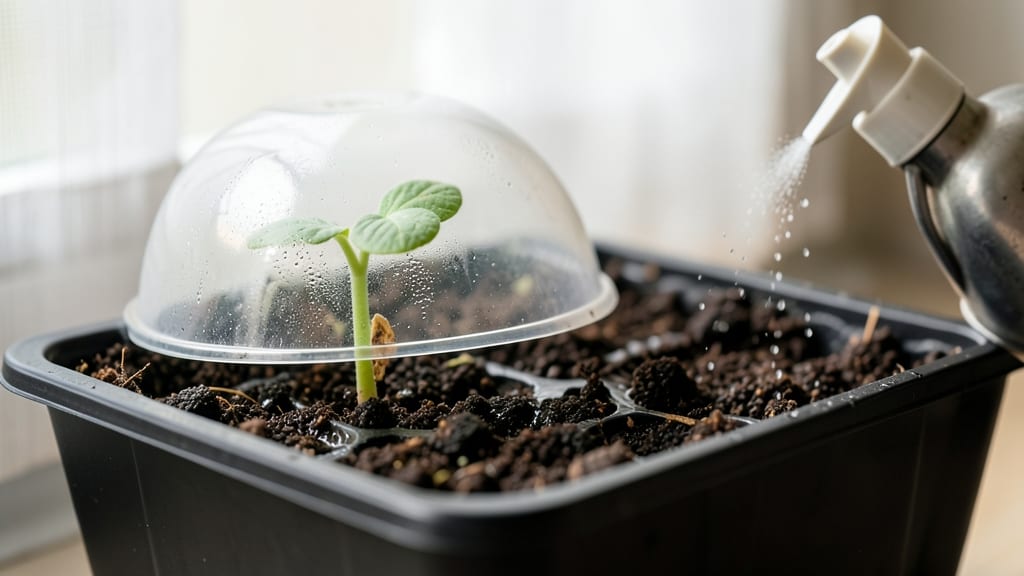
Cucumber seed sprouts appear in 3-7 days when you nail the moisture, warmth, and darkness—no more waiting weeks for stubborn seeds. 🌱 I’ve learned the hard way that soggy paper towels or cold windowsills kill germination faster than anything.
The secret is a warm, humid environment that mimics spring soil, where seeds wake up and push through their shells within a week.
Start with a shallow tray, damp paper towels, and a plastic wrap lid to trap heat and moisture. Place the tray on top of your fridge (not inside) where it stays consistently 70-80°F—the sweet spot for cucumber seeds to break dormancy.
Check daily for sprouts, but don’t peek too often; sudden temperature drops can stall their progress. Once you see white roots and green hooks, they’re ready to graduate to soil.
Healthy sprouts have plump cotyledons (those first two leaves) and a sturdy stem—no leggy, pale seedlings here. Within 10-14 days of transplanting, you’ll see true leaves forming, signaling the plant is ready to stretch toward the light.
The key is keeping the soil moist but not waterlogged; cucumbers hate soggy roots but love consistent hydration.
Common mistakes? Overwatering (which causes rot) or moving seedlings too soon (which shocks their roots). If your sprouts look weak, they might need more light or a warmer spot. Once they’re established, thin them to 1-2 inches apart to avoid competition. Now, let’s get those seeds growing!
📚 In This Guide
- What you need
- Instructions
- Tips and common mistakes
- Wrapping up and next steps
What you need
- ● Cucumber seeds: 10–20 fresh, organic cucumber seeds (preferably heirloom or non-hybrid for best results). Pro tip: Save seeds from store-bought cucumbers if you’re unsure—just rinse and dry them first! 💡
- ● Germination container: Option 1: Paper towels (2–3 large sheets, unbleached and seed-free) OR
- ● Option 2: Germination tray (with drainage holes) OR
- ● Option 3: Small plastic bag (resealable, with tiny holes poked for airflow).
- ● Spray bottle: 8–16 oz with a fine mist nozzle (for gentle hydration).
- ● Water: Room-temperature, filtered or distilled (chlorine-free).
- ● Plate or tray: Shallow and wide enough to hold your setup (e.g., a 10"x15" baking sheet).
- ○ Ruler or measuring tape: For tracking sprout growth (optional but helpful!).
- ○ Seedling heat mat: (Optional) Keeps seeds warm (70–85°F) for faster germination. 🌡️
- ● Grow light: LED or fluorescent (if extending daylight for seedlings).
- ● Humidity dome: Clear plastic cover to retain moisture (great for slow germinators).
- ● Label markers: To track seed varieties if testing multiple types.
- ● Tweezers: For delicate seed handling (especially if seeds are tiny!).
- ● Space: A warm, draft-free spot (e.g., windowsill, kitchen counter, or basement with a heat source).
- ● Time: 3–7 days for sprouts to emerge (depends on seed freshness and conditions!).
- ● Patience: The most important tool of all—sprouts pop up on their own schedule! ⏳
Step-by-step instructions for germinating cucumber seeds
Here's how to coax those cucumber seeds to sprout in record time—no waiting weeks for stubborn germination.
🌱 Step 1: Soak Seeds to Kickstart Germination
Fill a small bowl with lukewarm water and add your cucumber seeds. Let them soak for 8-12 hours—you'll see them plump up noticeably as they absorb moisture. This step is critical because cucumber seeds have a tough outer coating that slows germination. The soaking softens it and jumpstarts the process.
After soaking, drain the seeds in a fine-mesh strainer or paper towel. Gently pat them dry with another towel—just enough to remove excess water, but don't let them dry out completely. You want them damp, not dripping. This prepares them for immediate planting without risking rot.
🌿 Step 2: Prepare Containers and Planting Medium
Use seed-starting mix (not garden soil) in small pots or a seed tray with drainage holes. Fill them to within ½ inch of the rim and moisten the mix until it's damp but not soggy. Press down lightly to settle it—you want firm but not compacted soil. The goal is a fine, crumbly texture that lets roots penetrate easily.
Make two small holes in each pot, about ½ inch deep and 1 inch apart. Plant 2 seeds per hole (just in case), placing them with the flat side down. Cover them lightly with a thin layer of soil—just enough to hide them completely. Don't press down; a gentle sprinkle is all you need.
💧 Step 3: Provide Warmth and Moisture for Fast Sprouting
Cover the pots with a clear plastic dome or wrap them in plastic wrap to retain warmth and humidity. Cucumber seeds germinate fastest at 75-85°F, so place them on a seedling heat mat if possible. Without one, a sunny windowsill or warm spot will work, but expect slightly slower results.
Check the soil daily—it should stay consistently moist but never waterlogged. Mist the surface lightly if it feels dry to the touch. You'll see the first sprouts in 3-5 days, often within 24 hours if conditions are perfect. Once they emerge, remove the cover immediately to prevent damping-off disease.
☀️ Step 4: Move to Light and Monitor Growth
The instant seedlings appear, place them under grow lights or in a south-facing window where they'll get 12-14 hours of light daily. Cucumber seedlings need bright light to prevent leggy growth. If they stretch toward the light with pale stems, they're not getting enough intensity—adjust the lights or move them closer.
Thin to the strongest seedling per pot when they have 2 true leaves. Snip the weaker one at the base with clean scissors. Keep the soil evenly moist but not soggy—cucumbers hate wet feet. You'll see the first true leaves (not the initial seed leaves) in about 10-14 days, signaling it's time to transplant if you're hardening them off.
Tips & tricks for perfect cucumber seed germination
Here's what nobody tells you about getting cucumber seeds to sprout like clockwork—no guesswork involved.
Soak Like a Pro: The 8-12 hour soak is your secret weapon against stubborn germination. Use lukewarm water (around 85°F) to activate enzymes without cooking the seeds. I learned this the hard way—cold water slows germination by up to 48 hours, while hot water can damage delicate seed coatings. For extra insurance, place a damp paper towel over the bowl during soaking to maintain humidity and prevent moisture loss.
Temperature Matters: Cucumber seeds are tropical at heart—they thrive at 75-85°F but will sulk in cooler conditions. If your home runs chilly, pre-warm your planting area with a seedling heat mat (even a warm spot on your fridge works in a pinch). I've seen germination times stretch from 24 hours to 5 days when temps dip below 70°F. The key is consistency—keep that soil warm and cozy like a greenhouse.
Lighting Strategy: Those first 12-14 hours of light after sprouting are non-negotiable. I use a simple LED grow light on a timer to mimic natural daylight cycles. If you're using windows, rotate pots daily so all seedlings get equal exposure—this prevents lopsided growth. Watch for pale stems and elongated sprouts as red flags for insufficient light. The moment you see true leaves (not the initial seed leaves), you've won the light battle.
Moisture Management: The soil should feel like a wrung-out sponge—damp but never soggy. Overwatering is the #1 killer of young sprouts after germination. I mist the surface twice daily with a spray bottle instead of watering from above. This keeps the soil moist without disturbing delicate seedlings. Once you see those first sprouts, remove the plastic cover immediately to prevent damping-off disease—a fungal nightmare that turns sprouts to mush overnight.
Pro Tips for Cucumber Seed Sprouts
- Here's what nobody tells you about getting cucumber seeds to sprout like clockwork—no guesswork involved.
- Soak Like a Pro: The 8-12 hour soak is your secret weapon against stubborn germination. Use lukewarm water (around 85...
- Temperature Matters: Cucumber seeds are tropical at heart—they thrive at 75-85°F but will sulk in cooler conditions. ...
Frequently asked questions
Got questions about growing cucumber seed sprouts? You’re not alone! Here are answers to the most common queries to help you succeed—whether you’re a gardening newbie or a seasoned green thumb looking for quick tips.
How long does it take for cucumber seeds to sprout?
Cucumber seeds typically sprout within 3 to 7 days under ideal conditions (warmth, moisture, and darkness). Place them in a damp paper towel or moistened peat moss in a sealed bag for faster germination. If you don’t see sprouts in a week, try gently pressing the seeds—they might need more moisture or warmth!
Can I use cucumber sprouts from store-bought cucumbers?
Yes! Store-bought cucumbers can sprout, but only if they’re organic and labeled “seed-saving”. Non-organic cucumbers are often treated to prevent sprouting. For best results, save seeds from heirloom or homegrown cucumbers. Rinse, dry, and store them in a cool, dark place until planting season.
What do I do if my cucumber seeds won’t sprout?
If your seeds aren’t sprouting, check these common issues:
- Cold temperatures: Cucumbers need warmth (70–90°F). Use a seedling heat mat if your home is chilly.
- Dry seeds: Soak them in warm water for 4–6 hours before planting.
- Old seeds: Cucumber seeds lose viability after 5–7 years. Test a few in a damp paper towel first.
Do I need to soak cucumber seeds before planting?
Soaking isn’t mandatory, but it speeds up germination. Place seeds in warm water for 4–6 hours (or overnight) to soften the seed coat. Drain well before planting to avoid rot. Pro tip: Add a drop of hydrogen peroxide (3%) to the water to prevent mold!
Can I grow cucumber sprouts indoors without sunlight?
Use a grow light (LED or fluorescent) for 12–16 hours daily. Place sprouts near a sunny window for natural light, but supplement with artificial light if needed. Once true leaves appear, transplant them outdoors or under stronger light. Just avoid cold drafts—they’ll stunt growth!
Wrapping up and next steps
Growing cucumber seed sprouts is a rewarding way to ensure healthy, twist-free seeds for your next garden—no fancy tools required! With just a few simple steps, you can harness nature’s magic to extract seeds effortlessly.
Whether you're a seasoned gardener or a curious beginner, this method saves time and frustration while boosting your plants' success.
Ready to level up your gardening game? 🌱 Start small—try sprouting a single cucumber today, and soon you’ll be a pro at seed extraction. Happy growing! 🌿