
Lawn
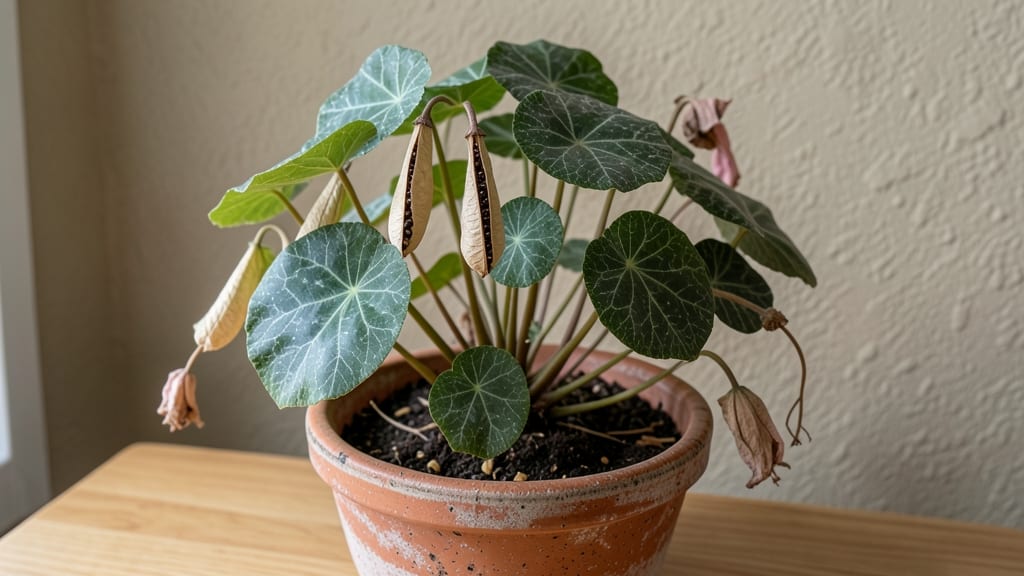
Those papery cyclamen seed pods are nature’s way of packaging tiny treasures—if you know how to handle them. 🌱 I learned the hard way that patience is key: waiting for them to dry and pop open transforms a $5 plant into a free forest of new cyclamen.
The secret lies in timing and gentle care, not forcing the process.
Start by letting pods mature fully on the plant—usually 8-12 weeks after flowering—until they turn brown and develop a papery texture. Snip them off with clean scissors, then spread them on a tray to dry completely.
Once brittle, they’ll burst open on their own, revealing seeds that need stratification (a cold period) to break dormancy.
You’ll end up with delicate seedlings that emerge slower than expected, but their dark green leaves and unique marbled foliage make the wait worthwhile. The real magic? These self-sown cyclamen return year after year, creating a zero-waste cycle that rivals any garden heirloom.
Works best in partial shade and well-draining soil—just mimic their woodland habitat. Here’s how to avoid the most common pitfalls and turn those pods into a self-perpetuating display.
📚 In This Guide
- What you need
- Instructions
- Tips and common mistakes
- Wrapping up and next steps
What you need
- ● Mature cyclamen plants (preferably Cyclamen persicum or native species with seed pods—ensure they’re healthy and have fully developed pods).
- ● Sharp pruning shears or scissors (sterilized to prevent disease; 3-4 inch blades work best).
- ● Paper bags or breathable mesh bags (for collecting pods; 1-2 per plant, depending on size).
- ● Drying tray or screen (wooden or metal, with holes for airflow; 12x12 inches minimum).
- ● Newspaper or parchment paper (to line drying surfaces and absorb moisture).
- ● Small paintbrush or tweezers (for gently extracting seeds from dried pods).
- ● Labeling tags and a marker (to track seed varieties and harvest dates).
- ● Compost bin or garden soil (for disposing of empty pods or repurposing them).
- ● Desiccant packets (silica gel or rice in breathable bags to speed up drying in humid climates).
- ● Humidity monitor (to ensure pods dry at 30-40% humidity for best results).
- ● Glass jars with lids (for storing seeds long-term; add a paper towel to absorb excess moisture).
- ● Magnifying glass (to inspect pods for pests or mold before harvesting).
- ● Seed-starting mix (if you plan to germinate seeds immediately).
How to harvest cyclamen seeds from popping pods
Watch those dried pods split open naturally—it’s nature’s way of zero-waste harvesting at its finest.
🌱 Step 1: Identify and Wait for Pod Maturity
Cyclamen seed pods start green and firm but mature into dry, papery husks that turn a light tan or brown. Wait until the pods begin to crack along their seams—this is your signal they’re ready. I tap them gently with a finger; if they rattle with seeds inside, they’re perfect for collecting.
Don’t rush this step. Overripe pods may split too easily, scattering seeds everywhere. The ideal time is when the pod is dry but still intact—it’ll pop open on its own when fully mature.
💧 Step 2: Prepare for Seed Release
Place a clean, white tray or sheet of paper beneath the plant to catch falling seeds. Cyclamen pods release seeds dramatically—sometimes all at once—so have your collection surface ready. I like to work on a clear day when the air is still, as even a breeze can carry tiny seeds away.
If pods aren’t splitting naturally, give them a light shake over the tray. Avoid squeezing or cutting them open—this can damage the delicate seeds inside. Patience here pays off; forcing the pod may crush what you’re trying to collect.
✂️ Step 3: Collect and Store Seeds Properly
Once the pod opens, carefully gather the seeds with a small spoon or your fingers. Cyclamen seeds are tiny and often covered in a sticky residue that helps them cling to surfaces. Store them in a dry, labeled envelope or small container—moisture is their enemy at this stage.
Label your seed packet with the date and cyclamen variety. Seeds stay viable for about 1-2 years if kept dry and cool. I keep mine in a sealed bag with a silica packet to absorb any lingering moisture.
☀️ Step 4: Plant Seeds for Germination
Sow seeds in a shallow tray filled with well-draining potting mix (cyclamen hate soggy roots). Press them lightly into the surface—don’t bury them deep. Keep the soil consistently moist but never waterlogged; a spray bottle works best to avoid disturbing the tiny seeds.
Place the tray in bright, indirect light (a north-facing window or under grow lights). Germination can take 4-8 weeks, so be patient. Cover the tray with plastic wrap to retain humidity, but remove it daily to prevent mold.
🌿 Step 5: Care for Seedlings Until Transplant
Once seedlings emerge with first true leaves, thin them to 2 inches apart to prevent overcrowding. Use small scissors to snip unwanted sprouts at soil level—pulling risks disturbing roots. Keep the soil lightly moist and avoid fertilizing until seedlings are 3-4 inches tall.
After 8-12 weeks, when seedlings have 3-4 sets of leaves, transplant them into individual 3-inch pots with fresh potting mix. Harden them off outdoors gradually before moving to their permanent spot—cyclamen appreciate shade and well-draining soil.
Tips & tricks for perfect cyclamen seed pod harvesting
Here's what nobody tells you about making the most of those magical popping pods—it's all about patience and timing.
Pod Maturity Matters: The light tan or brown color is your best indicator, but don't rely on it alone. Give each pod the gentle finger test—I tap them lightly and listen for that telltale rattle. This means the seeds are ready to release, and forcing them too early can scatter seeds everywhere. In Step 1, if pods feel hollow when tapped, they're not quite ready yet.
Collection Strategy: For Step 2, I've learned the hard way that white trays work better than dark ones—the seeds show up clearly against the light background. Place your tray directly under the pods before they open, because once they pop, seeds can shoot out with surprising force. I keep a small hand fan nearby to gently disperse any seeds that stick to the pod walls after release.
Storage Wisdom: When storing your seeds in Step 3, don't just rely on any envelope—use those small, resealable plastic bags with the zipper locks. I label mine with both the date and cyclamen variety using a fine-tip permanent marker. For extra protection, I add a tiny silica gel packet to absorb any moisture that might sneak in over time.
Germination Hack: In Step 4, the bright indirect light is crucial, but don't overlook the importance of that plastic wrap. Covering the tray creates a mini greenhouse effect that helps maintain consistent humidity levels. I remove the wrap daily for just 10 minutes to prevent mold—this little routine makes all the difference in successful germination.
Pro Tips for Cyclamen Seed Pods
- Here's what nobody tells you about making the most of those magical popping pods—it's all about patience and timing.
- Pod Maturity Matters: The light tan or brown color is your best indicator, but don't rely on it alone.
- Collection Strategy: For Step 2, I've learned the hard way that white trays work better than dark ones—the seeds show up clearly against the light background.
Frequently asked questions
Got questions about harvesting cyclamen seed pods?
You’re not alone! Here are some of the most common queries—plus quick answers to help you master zero-waste seed collection like a pro.
When do cyclamen seed pods ripen and pop open?
Cyclamen seed pods typically ripen in late summer to early fall, usually 4–6 weeks after flowering. They’ll turn brown and papery before splitting open with a satisfying pop! Watch for this signal—harvest too early, and seeds won’t be viable. Patience pays off!
How do I know if the seeds inside are ready to collect?
Ready seeds look plump, dark, and slightly glossy inside the pod. If they’re shriveled or floating in the pod, they’re past their prime. Gently shake the pod over a container—if seeds spill out easily, they’re harvest-ready! Pro tip: Collect on a dry day to avoid mold.
Can I save seeds from store-bought cyclamen plants?
Yes, but with a caveat! Seeds from hybrid or named varieties (like ‘Silver Moon’) may not grow true to the parent plant. For predictable results, choose heirloom or wild-type cyclamen. If you’re experimenting, label seeds and note traits—you might discover a unique surprise!
What do I do if my seed pods won’t open naturally?
If pods stay stubbornly closed, try these tricks:
- Dry them out: Place pods in a paper bag with a silica gel packet for 1–2 weeks.
- Freeze them: Pop pods in the freezer for 24 hours to mimic winter dormancy.
- Gently nick them: Use scissors to make a tiny slit—seeds will often spill out.
Most pods will eventually open on their own, but these shortcuts work in a pinch!
Are there eco-friendly alternatives to harvesting cyclamen seeds?
If you’re not ready to grow your own, try:
- Composting spent pods: Toss them into your compost bin—they’ll break down naturally.
- Creating seed art: Press dried pods into resin or paper for zero-waste crafts.
- Donating to local gardens: Share seeds with community gardens or native plant enthusiasts.
Every choice keeps your garden—and the planet—happy!
Wrapping up and next steps
Cultivating cyclamen seed pods isn’t just a rewarding gardening project—it’s a step toward zero-waste, sustainable living! 🌱 With just a little patience and care, you can transform these delicate pods into a burst of natural beauty while reducing waste.
Whether you’re a seasoned gardener or just starting out, this method proves that even small efforts can make a big difference.
Ready to take the next step? Share your harvest with fellow gardeners, experiment with different cyclamen varieties, or even gift your dried pods to friends! Your green thumb could inspire others to embrace eco-friendly gardening too. Happy planting! 🌟