
Lawn
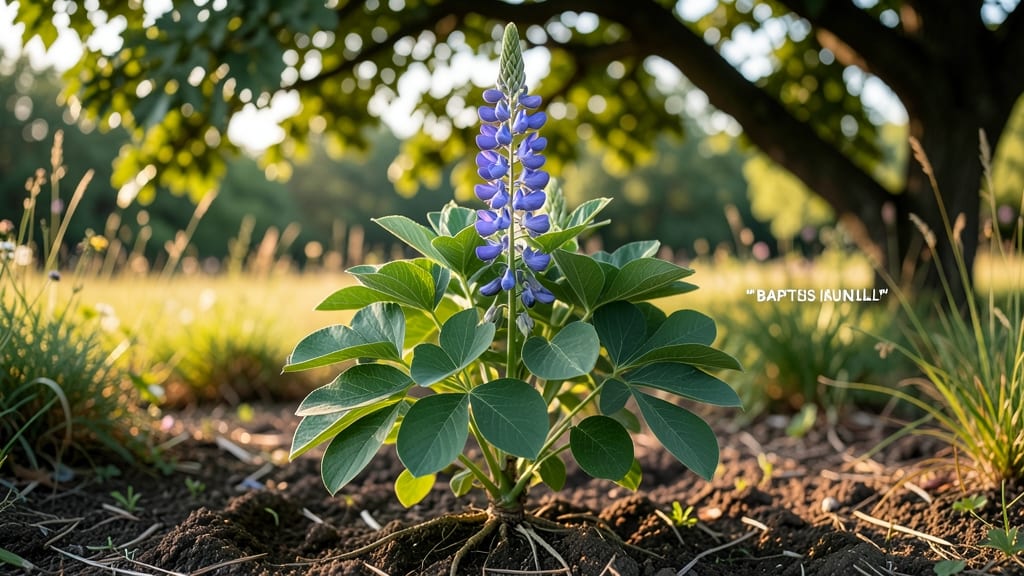
Twisting open false indigo seed pods reveals their secret—year-round viability that defies most perennials. 🌱 I’ve wrestled with these stubborn pods for years, and once you learn the trick, you’ll never look at Baptisia the same way again.
The key isn’t brute force; it’s patience and knowing exactly when to intervene.
False indigo thrives in poor soil and full sun, making it the drought-tolerant workhorse of the prairie garden. The pods themselves are ornamental—dried seed heads that add texture long after blooms fade.
But harvesting them? That’s where most gardeners give up. The pods resist opening naturally, so you’ll need a method that mimics their wild behavior without damaging the seeds inside.
By late summer, when pods turn brown and crisp, you’ll harvest seeds that stay viable for years if stored properly. These aren’t just for propagation—they’re conversation starters in drought-resistant landscapes. Just keep them away from pets; the seeds contain toxic alkaloids that can cause stomach upset.
The real magic happens when you sow these seeds in fall or early spring. They germinate slowly but reliably, and within 2-3 years, you’ll have plants that outperform most perennials in both beauty and resilience. No wonder false indigo keeps coming back year after year.
📚 In This Guide
- What you need
- Instructions
- Tips and common mistakes
- Wrapping up and next steps
What you need
- ● False indigo plants (Baptisia australis) – At least 3 mature plants (3+ years old) for a reliable harvest.
- ● Pruning shears or sharp garden scissors – Clean, sterilized tools to avoid plant damage.
- ● Paper bags or breathable mesh bags – 5–10 bags (10"x12" size) to collect pods without crushing them.
- ● Twine or rubber bands – For securing bags and marking harvested pods.
- ● Drying rack or screen – A flat, well-ventilated surface (e.g., a wooden frame or hardware cloth over a table).
- ● Labeling tags & marker – To track harvest dates and pod maturity.
- ● Gloves (gardening or thin work gloves) – Protects hands from prickly stems and sap.
- ● Fine-mesh sieve or colander – For separating seeds from dried pods later.
- ○ Humidity monitor (optional) – Ensures drying conditions stay between 40–50% humidity.
- ● Food-safe storage containers – Airtight jars or resealable bags with silica packets for long-term seed viability.
- ● Notebook or app (e.g., Gardenate) – To log pod development stages and harvest timelines.
How to harvest false indigo seed pods without twisting or damaging them
Here's my foolproof method for collecting pods that stay intact and store well for months.
🌱 Step 1: Wait Until Pods Turn Brown and Feel Dry
Harvest false indigo pods only when they've fully matured—this means they've turned a deep, papery brown and feel dry to the touch. I check by gently pressing a pod; if it crumbles slightly under pressure, it's ready. Harvesting too early means immature seeds that won't store well, while waiting too long risks them splitting open naturally.
This usually happens in late summer or early fall, depending on your climate. If you live in a warm region, pods may mature earlier. Watch for the stems to dry out and the pods to detach easily when gently tugged. The key is patience—rushing leads to broken pods and wasted seeds.
✂️ Step 2: Cut Stems Cleanly With Pruning Shears
Use sharp pruning shears to snip the stems about 1 inch below the pod cluster. This prevents damage to the plant and ensures you get the whole pod intact. I always clean my shears with rubbing alcohol between cuts to avoid spreading disease. Never pull pods off by hand—this often twists the stems and cracks the pods open.
Place the harvested pods in a single layer on a clean, dry surface. Avoid stacking them, as moisture can build up and cause mold. If you're harvesting a large batch, work in small batches to keep things organized. The goal is to keep everything dry and damage-free right from the start.
🪴 Step 3: Dry Pods Thoroughly in a Well-Ventilated Space
Spread the pods out in a dry, shaded area with good airflow—like a screened porch or a well-ventilated garage. I avoid direct sunlight because it can overheat the pods and cause them to crack. Turn them occasionally to ensure even drying, which usually takes about 2-3 weeks depending on humidity levels.
You'll know they're fully dry when the pods feel light and brittle. If you press a pod and it doesn't give at all, it's ready for storage. If your climate is humid, you might need to speed up the process with a small fan on low setting. Just don't let the pods get too close to the airflow—keep them at least 1 foot away.
💧 Step 4: Store Pods in Airtight Containers for Long-Term Viability
Once completely dry, transfer the pods to airtight containers like glass jars or sealed plastic bags. I like to add a small packet of silica gel to absorb any lingering moisture. Label the container with the harvest date—false indigo seeds stay viable for 2-3 years if stored properly in cool, dark conditions.
Check the pods periodically for signs of moisture or pests. If you notice any dampness, spread them out to dry again before resealing. The key to long-term storage is keeping everything bone-dry. If you follow these steps, you'll have a reliable seed source for planting false indigo year after year without any hassle.
Tips & tricks for perfect false indigo seed pod harvesting
These simple tricks will help you avoid common pitfalls and maximize your seed yield.
Maturity Test: The paper bag trick works best for checking pod maturity. Place a few pods in a paper bag and seal it overnight. If they feel dry and brittle in the morning, they're ready. This method helps you avoid harvesting too early when seeds aren't fully developed.
Tool Preparation: Always sanitize your pruning shears with rubbing alcohol before each use. I keep a small bottle handy in my harvesting kit. Clean tools prevent disease transfer between plants and ensure your pods stay healthy. This step is especially important if you're harvesting from multiple plants.
Drying Strategy: For faster drying in humid climates, I recommend using a small fan on low setting positioned 1 foot away from the pods. This creates gentle airflow without risking overheating. The 2-3 week drying time can be reduced to about 10-14 days with this method, especially during summer months.
Storage Organization: Label your storage containers with both the harvest date and year. I also include a small note about any special conditions (like extra dry or humid storage periods). This helps you track seed viability over time. False indigo seeds maintain viability for 2-3 years when stored properly in cool, dark conditions.
Pro Tips for False Indigo Seed Pods
- These simple tricks will help you avoid common pitfalls and maximize your seed yield.
- Maturity Test: The paper bag trick works best for checking pod maturity.
- Tool Preparation: Always sanitize your pruning shears with rubbing alcohol before each use.
Frequently asked questions
about false indigo seed pods—because even the toughest harvests deserve clarity!What makes false indigo seed pods "twist-resistant"?
False indigo seed pods (Baptisia) have a unique, fibrous structure that resists splitting when twisted—unlike many legume pods. This trait makes them ideal for dry harvesting without damaging the seeds inside. The pods’ tough, leathery texture also helps preserve viability longer when stored properly.
When is the best time to harvest these pods for seed?
Harvest false indigo seed pods when they turn brown and papery (typically late summer to early fall), but before they split open naturally. If left too long, seeds may scatter or lose viability. For year-round use, dry pods thoroughly (2–3 weeks) in a well-ventilated area before storage.
Can I reuse false indigo seed pods after harvesting?
Once pods are harvested for seeds, they’re typically spent—though you can compost them or use them as natural mulch for nitrogen-fixing benefits. For decorative purposes, dry pods can last years in arrangements, but they won’t produce new seeds. Pro tip: Save a few unopened pods to replant!
What if my pods are cracking open before I harvest?
If pods split prematurely, try harvesting them earlier (when slightly greenish-brown) or use a seed-saving bag (like a mesh produce bag) to catch seeds as they release. Overwatering or humidity can accelerate cracking—ensure good airflow around plants to delay this.
Are there alternatives to false indigo for twist-resistant seed pods?
Yes! Other twist-resistant options include lupine (Lupinus), milkweed (Asclepias), or black locust (Robinia pseudoacacia). However, false indigo stands out for its drought tolerance and long-term seed viability. For lawns, it’s also a great native perennial that suppresses weeds.
Wrapping up and next steps
False indigo seed pods offer a unique, twist-resistant solution for maintaining vibrant, year-round lawns—without the hassle of traditional harvesting methods. Whether you're a gardening enthusiast or a lawn care pro, mastering their handling ensures longer viability and healthier growth. 🌱
Ready to elevate your lawn game? Start by experimenting with small batches of false indigo pods—track their performance, refine your technique, and watch your outdoor space thrive! 💪