
Lawn
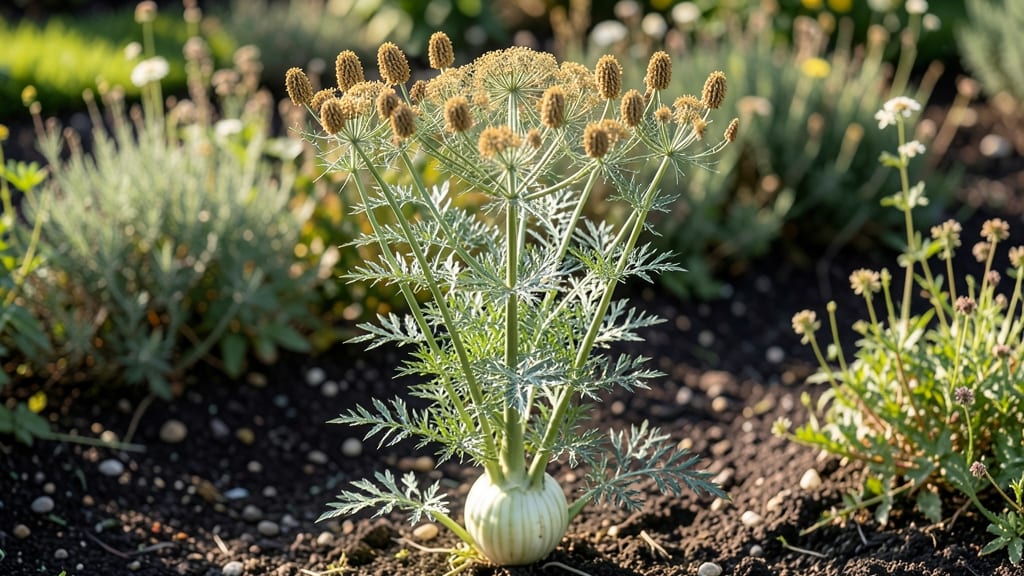
Fennel seed heads are the golden crowns of this culinary herb, packed with anise-like flavor that transforms dishes from ordinary to extraordinary. 🌿 I’ve watched my fennel plants go from lacy green fronds to towering seed stalks, and harvesting those seeds is where the real magic happens—both in the kitchen and for propagating new plants.
The seed heads mature in late summer to early fall, when the feathery plumes turn from green to a warm, golden brown. You’ll know they’re ready when you can easily crush a seed between your fingers—no more than a light squeeze should release the tiny, aromatic seeds.
The stalks grow 3-5 feet tall, so they need sturdy support to avoid flopping over before harvest. Once you’ve collected your seeds, you can dry them for cooking or save them to grow next year’s fennel.
The flavor is intense—almost licorice-like—and it adds depth to breads, sausages, and even cocktails. For gardeners, these seeds are also a foolproof way to grow new fennel plants without buying seeds every season. Here’s the best part: fennel seed heads aren’t just useful—they’re beautiful.
Their feathery texture makes them a striking addition to dried flower arrangements or winter wreaths. Whether you’re growing for flavor or for crafting, these seed heads are a garden gem worth cultivating.
📚 In This Guide
- What you need
- Instructions
- Tips and common mistakes
- Wrapping up and next steps
What you need
- ● Fresh or dried fennel seed heads: 2–4 whole heads (pick mature, brownish-green umbels for best flavor and texture).
- ● Kitchen shears or sharp scissors: For harvesting or trimming stems (if needed).
- ● Paper towels or clean cloth: To pat dry seed heads before use.
- ● Small bowl or colander: For rinsing (if cleaning) or storing seeds.
- ○ Mortar & pestle (optional): For crushing seeds into powder.
- ○ Cheesecloth or fine mesh strainer (optional): To separate seeds from stems.
- ○ Drying rack or paper plate (optional): For air-drying seeds if preserving.
- ○ Food processor or spice grinder (optional): For grinding seeds into a fine powder.
- ● Harvest fresh: Pick seed heads when they’re fully brown and dry to the touch.
- ● Store seeds: Keep in an airtight container away from light for up to 6 months.
- ● Clean gently: Use a soft brush to remove debris before use.
How to harvest and use fennel seed heads for cooking and crafting
Here’s how I transform those feathery fennel tops into fragrant seed heads for everything from savory dishes to homemade crafts.
🌿 Step 1: Identify and Select Mature Fennel Seed Heads
Look for fennel plants with brown, papery seed heads that feel dry and crumbly when gently squeezed. These are ready to harvest—usually 8-10 weeks after planting or when the stems turn woody. I avoid harvesting too early because immature seeds lack full flavor and aroma.
Use clean, sharp scissors to snip the entire seed head 1-2 inches above the bulb. This leaves the plant intact for future harvests if it’s a perennial variety. Place the seed heads in a paper bag (not plastic) to catch any loose seeds that might drop during transport.
☀️ Step 2: Dry the Seed Heads Properly
Hang the seed heads upside down in a dry, well-ventilated area away from direct sunlight. A kitchen cabinet with good airflow works perfectly. This takes 1-2 weeks, depending on humidity—you’ll know they’re fully dry when the stems snap easily and the seeds rattle inside.
Check daily for pests like aphids or spider mites. If you spot any, gently brush them off or treat with a neem oil spray (1 tsp neem oil + 1 quart water). Once completely dry, remove any remaining leaves or stems with your fingers—just leave the feathery seed head intact.
✂️ Step 3: Separate and Store the Seeds
Place the dried seed heads in a clean bowl and gently rub them between your palms to release the seeds. The feathery bracts will separate easily, leaving behind the tiny, oval fennel seeds. Sift through the debris with a fine-mesh strainer to collect only the seeds.
Store the seeds in an airtight glass jar in a cool, dark place. They’ll keep their flavor for up to 2 years, but for best results, use them within 6 months. The seeds should smell strongly of anise—if they’re faint, it’s time to harvest fresh ones.
🍳 Step 4: Use Seed Heads in Cooking or Crafts
For cooking, toast the whole seed heads in a dry skillet over medium-low heat for 2-3 minutes until fragrant. Crush them lightly with a rolling pin or mortar and pestle to release their aroma, then sprinkle over salads, soups, or roasted vegetables. The feathery bracts can also be used as a garnish for cocktails or desserts.
For crafts, tie the dried seed heads with twine and hang them as natural decorations or use them in potpourri mixes. The seeds themselves can be pressed into wax candles or infused into homemade soaps for a subtle anise scent. Get creative—these seed heads are as versatile as they are fragrant!
Tips & tricks for perfect fennel seed head harvesting
Transforming those feathery fennel tops into fragrant treasures is easier than you think—here's how to get the most out of every harvest.
Harvesting Timing: The 8-10 week window is crucial—harvesting too early means bland seeds, while waiting too long can mean the heads shatter in your hands. I check for readiness by gently squeezing the seed head; it should feel dry and crumbly like a paper bag. If it's still green or firm, give it another week or two. The stems should also turn woody, which is your second clear sign they're ready to harvest.
Drying Strategy: While the 1-2 week drying time might seem long, patience pays off here. I've found that using a kitchen cabinet with good airflow works best because it prevents mold while still allowing the seeds to dry properly. If your kitchen feels too humid, consider using a dehumidifier or placing a small fan nearby to speed up the process slightly. Just avoid direct sunlight—it can bleach the seeds and reduce their flavor.
Pest Prevention: Those daily pest checks in Step 2 are non-negotiable. I've learned the hard way that aphids and spider mites love drying fennel heads. Keep a small spray bottle with your neem oil mixture (1 tsp neem oil + 1 quart water) handy. If you spot any pests, treat immediately—once they take hold, they're nearly impossible to remove completely from your dried seeds. A quick spray every other day during the drying process usually keeps them at bay.
Storage Wisdom: The 6-month window for best flavor might seem short, but trust me on this—freshly harvested seeds have a depth of flavor that stored seeds just can't match. I store my seeds in small glass jars with tight-sealing lids, and I always label them with the harvest date. When the anise aroma starts fading, it's time to harvest fresh ones. The glass jars also let me see the seeds clearly, so I can check for any signs of moisture or pests that might indicate storage problems.
Pro Tips for Fennel Seed Heads
- Transforming those feathery fennel tops into fragrant treasures is easier than you think—here's how to get the most out of every harvest.
- Harvesting Timing: The 8-10 week window is crucial—harvesting too early means bland seeds, while waiting too long can mean the heads shatter in your hands.
- Drying Strategy: While the 1-2 week drying time might seem long, patience pays off here.
Frequently asked questions
Got questions about fennel seed heads?
You’re not alone! Whether you’re harvesting, cooking, or crafting, here are answers to the most common queries—straight to the point.
How do I know when fennel seed heads are ready to harvest?
Fennel seed heads are ready when they turn a dull golden-brown and the seeds rattle inside when gently shaken. Harvest on a dry day—cut the seed heads with 2–3 inches of stem and hang them upside down in a paper bag to dry for 1–2 weeks. Pro tip: Wait until seeds start falling naturally to avoid bitterness!
Can I use fennel seed heads fresh, or do I need to dry them first?
Fresh fennel seed heads can be used immediately for infusions (like teas or broths), but drying concentrates their flavor and extends shelf life. For cooking, toast dried seeds in a pan for 2–3 minutes until fragrant—this enhances their anise-like notes. Warning: Fresh seeds can taste bitter if overused!
What can I do with fennel seed heads if they don’t produce seeds?
If your fennel flowers but skips seed production, don’t toss them! Use the fronds (leafy stems) for garnishes, pest-repellent sprays (blend with water), or even homemade potpourri. The bulb itself is still edible—just harvest it young for sweeter flavor. Bonus: Deadhead spent blooms to encourage more flowers!
Why are my fennel seed heads attracting pests like aphids?
Aphids and other pests love fennel’s sweet nectar. To deter them, spray plants with neem oil or introduce ladybugs. Prune heavily infested areas and remove debris where pests hide. Prevention tip: Plant fennel near marigolds or basil to confuse pests naturally.
How can I preserve fennel seed heads for crafts beyond cooking?
For crafts, let seed heads dry completely, then:
- Press them between heavy books for dried arrangements.
- Paint or dye them for unique decor (use fabric dye!).
- Make potpourri by mixing with citrus peels and cloves.
Wrapping up and next steps
Fennel seed heads are a versatile treasure—whether you’re whipping up savory dishes, crafting natural decorations, or exploring DIY projects, their unique anise-like flavor and rustic charm make them a must-have.
From savory cooking to eco-friendly crafts, these little gems prove that nature’s bounty can elevate both your kitchen and your creativity.
Ready to dive in? Start by growing your own fennel plants or foraging for seed heads, then experiment with recipes, crafts, or even gift ideas. Your next culinary or artistic adventure awaits! 🌿✨