
Size
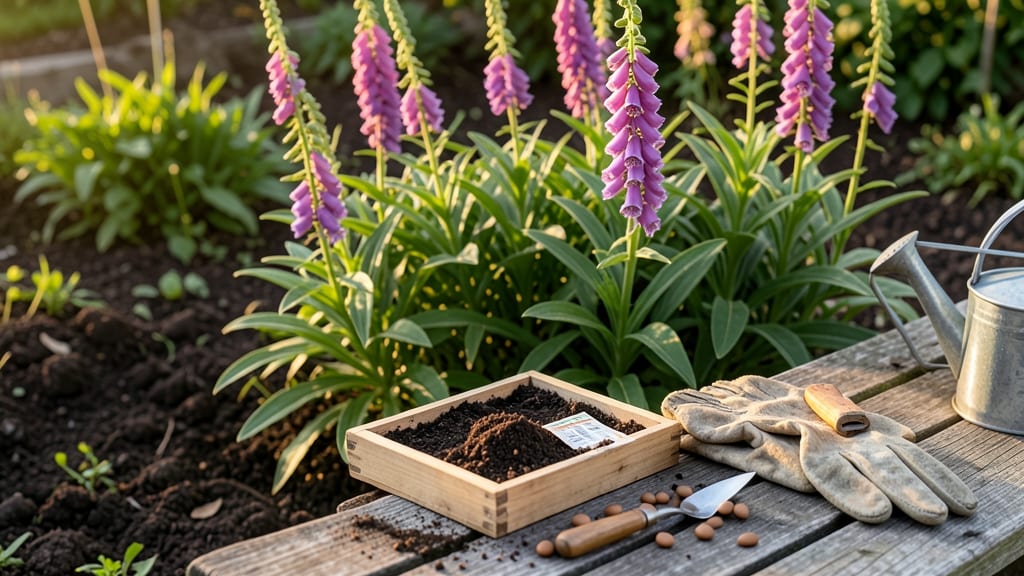
Growing foxglove from seed means waiting for dramatic 4-foot spires that transform your garden into a storybook scene—if you know the right tricks. 🌿 The catch?
Foxglove seeds are notoriously slow to germinate, but with the correct timing and soil prep, you’ll see those iconic bell-shaped blooms in just three months from sowing. Start indoors in February or March for outdoor planting by late spring, using a light, well-draining mix and keeping seeds barely covered.
They need consistent moisture and cool temperatures (around 60°F) to break dormancy—patience is key here, as germination can take 4-6 weeks. A sunny windowsill or grow light keeps seedlings from stretching too tall before they’re ready for the garden.
Once transplanted, foxglove thrives in partial shade and moist, fertile soil, though it tolerates poor conditions once established. The biennial nature means you’ll get full blooms in the second year, but the foliage alone adds striking texture.
Just watch for slugs and powdery mildew—common foes for these showstoppers. For best results, sow fresh seeds (they lose viability quickly) and space plants 12-18 inches apart to give their towering stems room to shine.
Your garden will reward you with months of vertical drama—worth every bit of waiting!
📚 In This Guide
- What you need
- Instructions
- Tips and common mistakes
- Wrapping up and next steps
What you need
- ● Foxglove seeds: 10–20 seeds (choose Digitalis purpurea for classic purple blooms or other varieties for color diversity).
- ● Seed-starting mix: 1–2 quarts of sterile, well-draining potting soil (look for a blend labeled for seedlings).
- ● Containers: 3–4 small pots (3–4 inches deep) or a seed tray with individual cells (for easy transplanting).
- ● Grow lights or sunny window: A south-facing window or a LED grow light (12–16 hours/day) for indoor starts.
- ● Watering can or spray bottle: With a fine mist setting to avoid disturbing seeds.
- ● Plastic wrap or humidity dome: To retain moisture during germination.
- ○ Gloves (optional but recommended): Foxglove contains cardiac glycosides—wear gloves when handling seeds or plants to avoid skin irritation.
- ● Fertilizer (balanced 10-10-10 or seed starter): A half-strength dose once seedlings sprout true leaves.
- ● Transplanting tools: Small trowel or spoon for moving seedlings to the garden.
- ● Garden space: A partial-shade to full-sun spot (foxglove thrives in USDA Zones 3–9).
- ● Seedling heat mat: Speeds up germination (keeps soil at 65–75°F).
- ● Epsom salt: A pinch in water (1 tbsp/gal) boosts magnesium for lush foliage.
- ● Mulch: Organic mulch (like straw) to retain soil moisture after transplanting.
- ● Stakes or cages: For taller varieties (foxglove can reach 3–5 feet!).
Step-by-step instructions for growing foxglove from seeds
Here's how to coax those iconic spires from tiny seeds—patience and precision pay off big time.
🌱 Step 1: Stratify Seeds for Better Germination
Foxglove seeds need a cold period to break dormancy. Place them in a sealed plastic bag with a damp paper towel, then refrigerate for 4-6 weeks. I like to label the bag with the date so I don’t forget. After stratification, check the seeds—they should feel plump and firm, not dried out.
This cold treatment mimics winter conditions and tricks the seeds into thinking spring has arrived. Without it, germination rates drop dramatically. Keep the bag in the crisper drawer of your fridge for consistent temperatures around 35-40°F.
💧 Step 2: Sow Seeds in Light, Airy Soil
Fill small seed trays with a mix of 50% peat moss and 50% perlite—foxglove hates compacted soil. Sprinkle seeds on the surface (they won’t need deep planting) and cover with just a thin layer of fine sand or vermiculite. Press lightly so they make contact with the soil but don’t bury them.
Mist the surface with a spray bottle until the top inch feels damp but not soggy. Foxglove seeds are tiny, so I use a toothpick to space them about ½ inch apart. Place the tray in a warm spot (65-70°F) with indirect light—direct sun will dry them out too fast.
☀️ Step 3: Provide Consistent Moisture and Light
Keep the soil evenly moist but never waterlogged—foxglove seedlings rot quickly in soggy conditions. I water from the bottom by placing the tray in a shallow dish of water for 10 minutes, then let it drain completely. Germination takes 3-6 weeks, so be patient.
Once seedlings emerge, move them to a bright spot with 4-6 hours of indirect light daily. You’ll know they’re getting enough light when the first true leaves (not the initial seed leaves) are dark green and sturdy. If they stretch toward the light, they need more intensity—consider a grow light.
🌿 Step 4: Transplant Seedlings Carefully
After 4-6 weeks, when seedlings have 2-3 sets of true leaves, transplant them into individual 3-inch pots with fresh potting mix. Foxglove roots are delicate, so I use a small spoon to lift them out of the tray, keeping the soil intact around the roots.
Place each seedling in its own pot, firming the soil gently around the base. Avoid burying the stem too deep—foxglove seedlings are sensitive to root rot. Water lightly after transplanting, and keep them in a shaded area for 3-4 days to reduce stress.
⏰ Step 5: Acclimate and Plant Outdoors
When nighttime temperatures stay above 50°F (typically late spring), harden off seedlings by placing them outdoors in a sheltered spot for 1-2 hours the first day. Gradually increase their time outside over 7-10 days, watching for wilting or yellowing leaves—signs they’re not ready yet.
Plant outdoors in a location with partial shade and well-draining soil. Space seedlings 12-18 inches apart to give them room to grow. Mulch around the base with 1 inch of compost to retain moisture and suppress weeds. Foxglove thrives in cooler climates but can handle mild summers if kept moist.
Tips & tricks for growing foxglove from seeds
These simple strategies will help you coax the most vibrant foxglove blooms from those stubborn little seeds.
Stratification Success: The 4-6 week cold treatment is non-negotiable for foxglove seeds—this mimics their natural winter dormancy period. I like to double-check my fridge temperature with a thermometer to ensure it stays between 35-40°F consistently. If your fridge runs warmer, consider using a seed stratification mat instead. After the cold period, you'll notice the seeds feel noticeably plumper and firmer, which means they're ready to break dormancy.
Soil Mix Matters: That 50% peat moss and 50% perlite mix is crucial for foxglove's delicate roots. I've found that adding a handful of horticultural charcoal to the mix helps prevent fungal issues. When sowing, resist the urge to press seeds too firmly—they need just enough contact with the soil to stay in place, not be buried. A gentle pat with your fingers is all you need.
Lighting Strategy: Once seedlings emerge, those 4-6 hours of indirect light become critical. I've had best results using a simple LED grow light on a timer for 6 hours daily. Watch for seedlings stretching toward light—this "leggy" growth means they're reaching for more intensity. If you notice this, move them closer to the light source or increase the duration slightly.
Transplanting Technique: When moving seedlings to 3-inch pots at 4-6 weeks, I use a small spoon to gently lift each plant by its soil base rather than grabbing the stems. This keeps the delicate root structure intact. After transplanting, I water lightly and place the pots in a shaded area for 3-4 days to prevent transplant shock. The key is gradual adjustment to their new environment.
Pro Tips for Foxglove Seed Grow A Garden
- These simple strategies will help you coax the most vibrant foxglove blooms from those stubborn little seeds.
- Stratification Success: The 4-6 week cold treatment is non-negotiable for foxglove seeds—this mimics their natural wi...
- Soil Mix Matters: That 50% peat moss and 50% perlite mix is crucial for foxglove's delicate roots. I've found that ad...
Frequently asked questions
about growing foxglove from seed—because every gardener deserves a little clarity before diving in!How long does it take for foxglove seeds to germinate?
Foxglove seeds can take anywhere from 4 weeks to 6 months to germinate—patience is key! Cold stratification (chilling seeds in moist soil for 4–8 weeks) speeds this up. Keep soil consistently moist and warm (60–70°F) during this time. Some seeds may surprise you by sprouting in just a few weeks, while others wait until spring.
Can I grow foxglove from seeds indoors first?
Start seeds indoors 8–10 weeks before your last frost date for a head start. Use seed trays with well-draining soil, cover lightly with vermiculite, and place in a sunny window or under grow lights. Transplant seedlings outdoors after hardening off (acclimating to outdoor temps for 1–2 weeks) once all danger of frost has passed.
Are foxglove seeds toxic to humans or pets?
Yes, foxglove seeds (and the entire plant) are highly toxic if ingested. All parts contain digitalis, which can cause severe heart issues, nausea, or even death in pets and humans. Keep children and animals away from the plant, and wear gloves when handling seeds or plants. Never compost foxglove—dispose of it in sealed bags.
Why aren’t my foxglove seeds sprouting?
Foxglove seeds are notoriously slow and finicky! Try these fixes:
- Stratification: Mimic winter by chilling seeds in the fridge for 4–8 weeks before planting.
- Freshness: Older seeds (over 1 year) may lose viability—buy new seeds if possible.
- Moisture: Keep soil damp but not soggy; use a humidity dome if needed.
- Light: Seeds need bright, indirect light (or grow lights) to germinate.
What’s a good alternative if foxglove is too tricky?
If foxglove’s finicky nature has you craving drama but wanting ease, try these equally stunning alternatives:
- Delphinium: Tall, spiky blooms with easier germination (stratify seeds for 2–4 weeks).
- Larkspur: Lightweight, airy spikes that self-seed readily.
- Snapdragons: Fast-growing annuals with vertical interest (great for containers!).
- Hollyhocks: Rustic charm with tall, colorful blooms (biennial, like foxglove).
Wrapping up and next steps
Growing foxglove from seed is a rewarding journey that transforms your garden into a dramatic, fairy-tale-like retreat in just three months! 🌿 With patience and the right care—from selecting healthy seeds to providing consistent moisture—you’ll soon enjoy tall, striking spires that attract pollinators and add vertical interest. Don’t let challenges deter you: even experienced gardeners face seedling struggles, but each step brings you closer to a stunning, thriving garden.
Ready to take the next step? Once your foxglove plants are established, experiment with companion plants or share your newfound knowledge with fellow gardening enthusiasts. Your garden—and its visitors—will thank you! 🌸