
Lawn
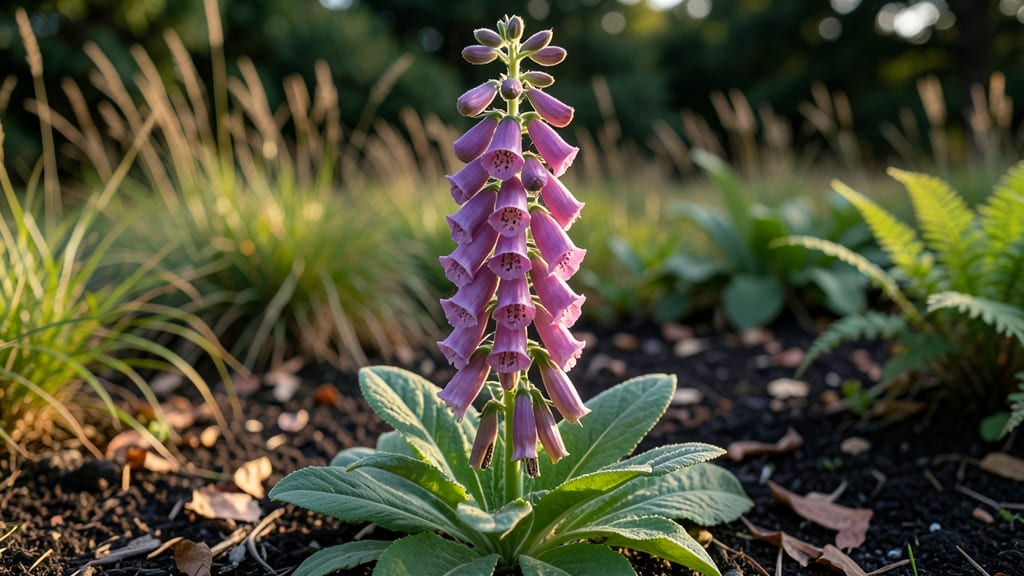
Harvesting foxglove seed pods before they twist and split is your ticket to next season's stunning bell flowers. 🌿 I learned the hard way that waiting too long means scattered seeds and wasted potential—these delicate pods need careful timing and technique to yield viable seeds for propagation.
The key is patience and precision: collect pods when they're fully brown but still intact, then dry them indoors for 2-3 weeks in a well-ventilated spot. Store seeds in paper envelopes in a cool, dry place until spring, when you'll sow them in well-draining soil under gentle shade.
Foxglove seedlings are notoriously slow to germinate, often taking 4-6 weeks to appear.
What you end up with is a thriving patch of foxglove plants that'll reward you with 5-foot-tall spikes of bell-shaped blooms for years. The secret lies in mimicking nature's germination cues—cold stratification helps break dormancy, and consistent moisture keeps young seedlings from drying out.
Works perfectly for gardeners in zones 3-8 who want to expand their foxglove collection without buying expensive nursery plants. Here's exactly how to handle those tricky seed pods without losing a single viable seed.
📚 In This Guide
- What you need
- Instructions
- Tips and common mistakes
- Wrapping up and next steps
What you need
- ● Gearing up for a successful foxglove seed harvest? Here’s everything you’ll need to gather viable seeds without twisting those stubborn pods! 🌿✨
- ● Pro tip: 💡 Harvest pods on a dry, overcast day—wet pods stick together and rot faster!
Step-by-step guide to harvesting foxglove seed pods safely
Foxglove seed pods are tricky—one wrong twist and you’ll lose everything. Here’s my foolproof method for collecting viable seeds without damaging the pods.
🌿 Step 1: Identify Mature Seed Pods
Wait until the pods turn tan or light brown and split open naturally along one side—that’s your signal they’re ready. Green or purple pods aren’t mature enough; you’ll waste time harvesting seeds that won’t germinate. I always check in late summer to early fall, when the first pods begin cracking.
Gently squeeze a few pods between your fingers. If they feel dry and papery inside with tiny black seeds visible, they’re ready. If they’re still firm or ooze moisture, wait another week. Harvesting too early means low germination rates—you’ll end up with weak seedlings or none at all.
✂️ Step 2: Cut Pods Instead of Twisting
Never twist pods off the stem—you’ll crush the seeds inside. Instead, use clean, sharp pruning shears to snip the pod ½ inch below its base. This preserves the seed’s protective coating and prevents damage. I like to harvest on a dry morning so the pods aren’t damp, which can lead to mold.
Place the cut pods in a paper bag (not plastic—condensation ruins seeds). Label the bag with the foxglove variety and harvest date. If you’re collecting from multiple plants, keep them separate. Mixing varieties can lead to unpredictable hybrids next season.
🪴 Step 3: Dry the Pods Completely
Spread the pods in a single layer on a wire mesh screen or clean cardboard in a dry, shaded spot with good airflow. Avoid direct sunlight—it can overheat the seeds and reduce viability. I use a dehumidifier-free room (like a basement or garage) where humidity stays below 50%.
Check daily. The pods are ready when they’re completely dry and brittle—they should crumble easily when squeezed. If they still feel slightly damp after 7–10 days, leave them another day or two. Rushing this step means seeds won’t store well and may sprout prematurely.
🌱 Step 4: Extract and Store Seeds Properly
Once dry, place each pod in a paper towel and gently rub between your fingers to release the seeds. Foxglove seeds are tiny and lightweight—wear a dust mask if you’re sensitive to fine particles. I use a small funnel to pour seeds into envelope-sized paper envelopes for storage.
Store the envelopes in a cool, dark place (like a refrigerator) where temperatures stay 40–50°F. Seeds remain viable for 2–3 years if kept dry. Label each envelope with the variety and harvest year—foxglove seeds from different years may have varying germination rates.
⏰ Step 5: Test Germination Before Planting
Before sowing, test a few seeds to confirm viability. Moisten a paper towel, place 10–15 seeds in a single layer, and fold it over. Seal in a ziplock bag and keep in a warm spot (70–75°F). Check daily—seeds should sprout in 10–14 days. If fewer than half sprout, store the remaining seeds another year or consider buying fresh ones.
This step saves heartache later. Foxglove seeds can be finicky, and a failed germination test tells you whether to adjust storage conditions or try a new batch. Once you’ve confirmed viability, sow in well-draining soil and keep moist until sprouts appear.
Tips & tricks for perfect foxglove seed pod harvesting
Here's what nobody tells you about harvesting foxglove seeds without ruining them.
Timing is Everything: Late summer to early fall is your golden window—don't rush it. I've seen gardeners harvest too early and end up with seeds that either won't germinate or produce weak plants. The pods need that natural tan/brown color and the telltale split along one side before they're ready. If you're unsure, squeeze a few: ready pods feel dry and papery inside, not firm or moist.
Tool Selection Matters: Sharp pruning shears are non-negotiable for Step 2. I learned this the hard way after using dull scissors that crushed seeds and left jagged cuts on the pods. For multiple plants, consider a small pair of bypass pruners—they cut cleaner and faster. And dry mornings are ideal for harvesting: damp pods can develop mold during storage, and you'll waste your entire harvest.
Drying Strategy: The 7-10 day drying period in Step 3 is critical for seed viability. I've found that using a wire mesh screen in a basement with a dehumidifier (set to maintain below 50% humidity) gives the most consistent results. Avoid direct sunlight—it can overheat seeds and reduce germination rates. Check daily by squeezing: if they crumble easily, they're ready. If they still feel damp after 10 days, extend drying by another day or two rather than rushing.
Storage Wisdom: That refrigerator storage at 40-50°F isn't just about temperature—it's about creating a stable environment. I've had seeds last 3 years in these conditions, but only when stored in envelope-sized paper envelopes. The paper breathes better than plastic and prevents moisture buildup. Labeling with variety and harvest year is crucial: foxglove seeds from different years can have wildly different germination rates, and mixing varieties might produce unpredictable hybrids.
Pro Tips for Foxglove Seed Pods
- Here's what nobody tells you about harvesting foxglove seeds without ruining them.
- Timing is Everything: Late summer to early fall is your golden window—don't rush it. I've seen gardeners harvest too ...
- Tool Selection Matters: Sharp pruning shears are non-negotiable for Step 2. I learned this the hard way after using d...
Frequently asked questions
Got questions about harvesting and handling foxglove seed pods?
You’re not alone! Here are some of the most common queries—plus practical answers to help you secure those seeds for next season’s garden.
When is the best time to harvest foxglove seed pods?
Harvest seed pods when they turn light brown and begin splitting open naturally—usually late summer to early fall. Avoid harvesting too early (green pods) or too late (scattered seeds on the ground). Timing ensures the highest seed viability!
How long do foxglove seed pods take to dry indoors?
Spread pods in a single layer on a tray or mesh screen in a warm, dry, well-ventilated spot (like a garage or basement). They typically dry in 1–2 weeks. Stir them occasionally to prevent mold. Pro tip: Use a fan on low to speed up drying!
What if my seed pods won’t open naturally?
If pods resist splitting, try these tricks:
- Freeze them overnight, then let them thaw—cold shock can loosen seeds.
- Gently crush pods with a rolling pin (wear gloves! Foxglove is toxic).
- Soak in warm water for 10–15 minutes to soften them.
Note: Always wear gloves—foxglove contains cardiac glycosides, which are poisonous if ingested.
Can I save foxglove seeds from store-bought flowers?
Nope! Store-bought foxglove seeds are often sterile (hybrids bred for cut flowers, not seed production). For viable seeds, harvest from homegrown plants or reputable seed suppliers. If you’re unsure, test a few seeds—germination rates vary!
How should I store foxglove seeds until planting?
Once dry, store seeds in a paper envelope (not plastic!) in a cool, dark place (like a fridge). Label with the date—foxglove seeds stay viable for 2–3 years. Pro tip: Mix seeds with sand to prevent clumping!
What do I do if my foxglove plants don’t produce seed pods?
Seed pods may fail to form due to:
- Improper pollination (hand-pollinate with a soft brush if needed).
- Over-fertilizing (foxglove prefers poor soil).
- Environmental stress (too much shade or heat).
Try moving plants to partial sun and avoid heavy feeding. Patience helps—some varieties take 2+ years to mature!
Wrapping up and next steps
Harvesting foxglove seed pods with care ensures a bountiful supply of seeds for next season’s garden—no twists or wasted effort needed! 🌱 Whether you’re a seasoned gardener or just starting, the key is patience, the right tools, and a little know-how.
Now that you’re equipped with the how-to, why not take the next step? Try your hand at growing these striking plants and watch your garden transform with their dramatic beauty. Happy gardening!