
Lawn
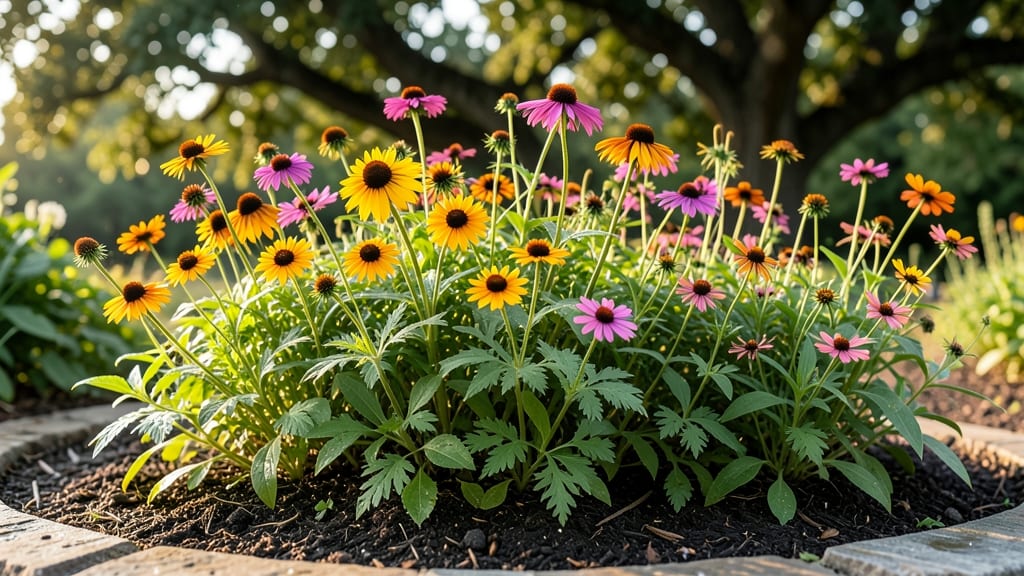
Planting a Georgia wildflower seed mix transforms your yard into a pollinator paradise with almost no effort. 🌻 I’ve seen bare patches bloom into vibrant meadows in just a few weeks—no digging, no fuss, just scatter and wait.
These native seeds thrive in Georgia’s heat and humidity, outcompeting weeds while feeding bees, butterflies, and birds all year.
The secret lies in minimal prep: just rake the soil lightly, sprinkle seeds evenly, and press them in. Spring or fall are ideal, but these hardy wildflowers even sprout in summer if you water them in.
Most mixes need only occasional watering once established—Mother Nature does the rest. My yard now stays lush while using less water than my old grass lawn.
You’ll end up with seasonal blooms from early spring through winter—purple coneflowers, black-eyed Susans, and delicate wild bergamot that keep your garden buzzing. The flowers attract hummingbirds and monarchs, and the deep roots prevent erosion.
Even my neighbor’s skeptical “wild” look turned into admiration when their yard stayed green while mine exploded with color.
Works in sun or partial shade, on slopes or flat ground—just avoid heavy foot traffic. The biggest mistake? Overwatering. Once established, these wildflowers need less care than a manicured lawn. Let’s get those seeds planted and watch your yard come alive!
📚 In This Guide
- What you need
- Instructions
- Tips and common mistakes
- Wrapping up and next steps
What you need
- ● Georgia Wildflower Seed Mix: 1–5 lbs (per 100 sq. ft.), depending on coverage goals. Pro tip: Check the seed bag for exact planting rates!
- ● Garden Rake: Medium-tooth (4–6 teeth per inch) for light soil prep.
- ○ Broadcast Spreader (optional but helpful): Adjustable for even seed distribution.
- ● Water Source: Hose with a gentle spray nozzle or watering can.
- ○ Mulch or Straw (optional but recommended): 1–2 inches to retain moisture and deter weeds.
- ● Sunny Spot: Full sun (6+ hours/day) is ideal—wildflowers thrive in Georgia’s heat!
- ● Soil Prep: Loosen top ½ inch of soil (no tilling needed—wildflowers love natural ground!).
- ● Weather Window: Plant in early fall (Sept–Oct) or late winter (Feb–March) for best results.
- ● Patience: Zero prep, but blooms may take 6–8 weeks to appear!
- ● Soil Amendments: Compost or wildflower-specific fertilizer (if soil is poor).
- ● Birdseed Mix-In: 5–10% native grasses for extra texture and pollinator appeal.
- ● Wildflower Guidebook: For ID’ing your future blooms!
How to plant a Georgia wildflower seed mix for stunning year-round color
This is the easiest way to transform any patch of soil into a vibrant, low-maintenance wildflower meadow.
🌱 Step 1: Choose and Prepare Your Planting Site
Georgia wildflowers thrive in full sun, so select a spot that gets at least 6 hours of direct sunlight daily. Avoid areas with dense tree shade or heavy foot traffic. Clear the site of weeds by hand or with a hoe—wildflowers compete poorly with established vegetation.
Loosen the top 2-3 inches of soil with a rake or cultivator. You don’t need to till deeply, just break up any compacted layers. The goal is to create a loose, crumbly surface where seeds can make contact with the soil without being buried too deeply. If your soil is heavy clay, mix in a thin layer of compost to improve drainage.
🌿 Step 2: Scatter Seeds Evenly Across the Area
Wildflower seeds are tiny, so I use a seed spreader or simply sprinkle them by hand in a light, even layer. For a 4-foot-by-4-foot area, about 1 ounce of seed mix is plenty—this covers roughly 100 square feet when scattered thinly. Walk slowly and overlap your passes slightly to avoid bare patches.
Don’t cover the seeds with soil. Wildflowers need light to germinate, so gently press them into the surface with a rake or your hand. A light misting with water (using a hose on a gentle setting) helps settle them into place. Watering too heavily can wash seeds away or bury them too deeply.
💧 Step 3: Water Gently and Keep Soil Moist for Germination
Water the area once daily for the first 2 weeks to keep the soil consistently moist but not soggy. Use a soaker hose or watering can with a fine rose attachment to avoid disturbing the seeds. The soil should feel damp 1 inch below the surface—if it’s dry, water again.
Once the seeds sprout (usually within 7-14 days), reduce watering to 2-3 times per week. Wildflowers are drought-tolerant once established, but young seedlings need steady moisture. Avoid overhead watering after germination to prevent fungal diseases like damping-off.
☀️ Step 4: Let Nature Take Over—Minimal Maintenance Required
After the first 4-6 weeks, your wildflowers will establish roots and begin sending up new growth. At this stage, water only when the soil feels dry to the touch—typically once every 1-2 weeks unless there’s a prolonged dry spell. Georgia’s native wildflowers are adapted to our climate and thrive with minimal intervention.
Allow the flowers to go to seed at the end of the season. This ensures a self-sustaining meadow that will bloom year after year with little effort. Deadhead spent blooms only if you prefer a tidier look, but leaving seed heads adds winter interest and feeds local birds.
⏰ Step 5: Enjoy Year-Round Blooms With Seasonal Care
In early spring, mow back any dead growth to encourage fresh new shoots. A light trim in late fall (after frost) keeps the area neat and prevents weeds from taking over. Avoid heavy mowing or fertilizing—wildflowers rely on their natural resilience, not artificial inputs.
Watch for butterflies, bees, and hummingbirds as they visit your meadow. Georgia wildflowers are a magnet for pollinators, making your garden a haven for wildlife. With zero prep and almost no upkeep, you’ll have vibrant blooms from spring through fall—and maybe even a few hardy winter survivors.
Tips & tricks for perfect Georgia wildflower meadows
Here's what I've learned from planting wildflower meadows that thrive year after year with almost no effort.
Sunlight Secret: That 6-hour minimum of sunlight is non-negotiable for Georgia wildflowers. I've planted in spots that seemed sunny but got afternoon shade from nearby trees, and the results were disappointing. Mark your planting site with a garden flag at midday to confirm you're getting true sun exposure. If you're working with a partially shaded area, focus on native varieties like black-eyed Susans that tolerate some shade.
Soil Prep Shortcut: Don't stress about perfect soil—wildflowers are tough! But if your soil is compacted, I've found a quick trick: drag a garden fork across the surface in a crisscross pattern after loosening the top 2-3 inches. This creates tiny air pockets that help seeds make contact with the soil. For clay soil, mix in a thin layer of compost only in the planting area—not the entire bed—to avoid creating a fertile zone that attracts weeds.
Watering Wisdom: Those first two weeks of daily watering are critical, but timing matters. I water in the early morning so the soil has all day to dry slightly before evening. This prevents fungal issues while keeping roots moist. After germination, I switch to watering in the evening to help young plants establish overnight. A soaker hose is my secret weapon—it delivers water right to the roots without disturbing the delicate seedlings.
Seasonal Care Hack: The early spring and late fall trims are your best tools for managing wildflower meadows. I set my mower to its highest setting (about 4 inches) to avoid cutting flower buds. For late fall, I wait until after the first hard frost when most plants have gone dormant. This simple timing keeps your meadow looking neat while protecting next year's blooms.
Pro Tips for Georgia Wildflower Seed Mix
- Here's what I've learned from planting wildflower meadows that thrive year after year with almost no effort.
- Sunlight Secret: That 6-hour minimum of sunlight is non-negotiable for Georgia wildflowers.
- Soil Prep Shortcut: Don't stress about perfect soil—wildflowers are tough!
Frequently asked questions
Got questions about transforming your Georgia landscape with wildflowers? Here are answers to the most common ones—so you can dive in with confidence!
When is the best time to plant Georgia wildflower seed mix?
The ideal window is late summer to early fall (August–October), when soil is warm and rainfall is reliable. Spring planting (February–March) also works, but summer heat can stress young seedlings. Pro tip: Avoid planting in extreme heat or drought—aim for mild, moist conditions!
Do I need to water after planting?
Yes! Light, frequent watering (about ¼ inch per week) is critical for the first 4–6 weeks to help seeds germinate. Once established, wildflowers thrive on natural rainfall—no extra watering needed! Warning: Overwatering can drown seeds, so keep soil damp, not soggy.
Will wildflowers attract bees or pests?
Absolutely—but that’s a good thing! Wildflowers support pollinators like bees and butterflies, boosting your local ecosystem. To minimize pests, choose a reputable seed mix (like Georgia-native blends) and avoid over-fertilizing. Bonus: Birds love the seeds too!
Can I plant wildflowers in shady areas?
Most Georgia wildflower mixes prefer full sun (6+ hours/day), but some shade-tolerant varieties (like black-eyed Susans or coreopsis) can thrive in partial shade. For deep shade (<3 hours of sun), consider a shade-tolerant mix or ground covers instead. Tip: Test your spot with a light meter for accuracy!
How do I maintain wildflowers long-term?
Once established, wildflowers are low-maintenance champions! Mow once a year in late winter (before new growth) to prevent overcrowding. Avoid herbicides—wildflowers compete poorly with weeds. Let some seeds reseed for perennial blooms! Remember: No fertilizers needed—they thrive in poor soil.
Are there cheaper alternatives to pre-mixed wildflower seeds?
Yes! Buy seeds in bulk from local nurseries or online retailers (like Burpee or Native American Seed) for better value. DIY mixes (e.g., cosmos + sunflowers + milkweed) work too, but ensure they’re Georgia-adapted for best results. Pro move: Split costs with neighbors for larger areas!
Wrapping up and next steps
Transforming your Georgia landscape into a vibrant wildflower haven has never been easier—or more rewarding! With a Georgia wildflower seed mix, you’re just a few weeks away from zero-effort blooms that attract pollinators and brighten your outdoor space year-round.
Whether you’re a seasoned gardener or a beginner, this mix delivers beauty with minimal prep, proving that nature’s best work happens effortlessly.
Ready to dive in? Start small—pick a sunny patch, scatter the seeds, and let Georgia’s wildflowers do the rest! 🌸 For extra inspiration, explore local planting guides or share your progress with fellow gardeners. Happy planting!