
Lawn
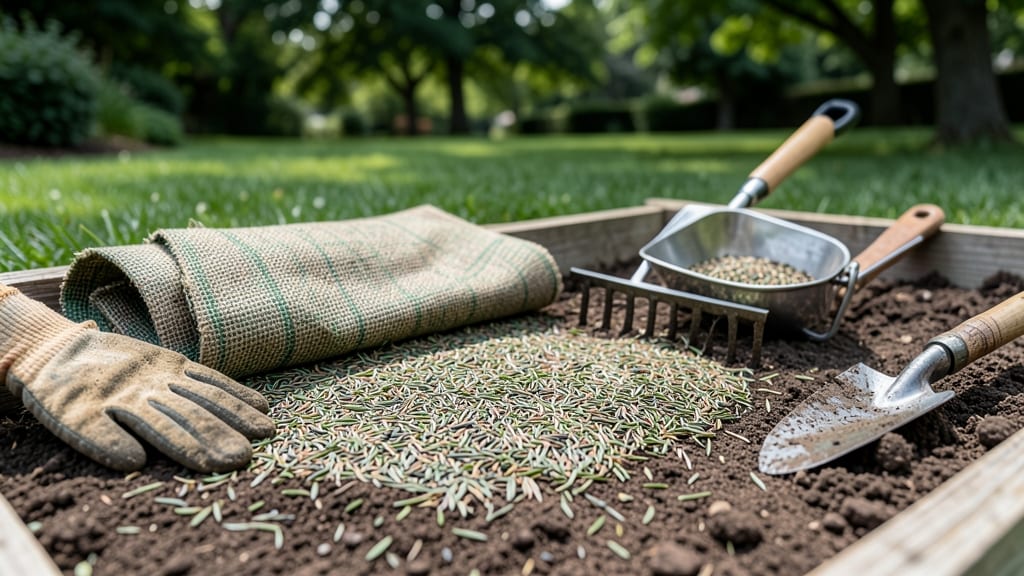
Using grass seed mulch is the secret weapon behind my thickest, greenest lawn patches—it keeps seeds from washing away and gives them the moisture boost they need to sprout. 🌱 Without it, seeds dry out or get blown away before they even get a chance to grow, and that’s exactly what happened my first time seeding a bare spot.
The right mulch makes all the difference: straw is the gold standard because it breaks down slowly, holds moisture, and won’t smother sprouts. Wood chips work too, but they can steal nitrogen from the soil as they decompose—so use them sparingly or pair them with a slow-release fertilizer.
Just avoid anything that clumps or mats down, like hay with weed seeds. You’ll see the first tender shoots pushing through in about 7-14 days, and they’ll stay protected from wind and sun until they’re strong enough to stand on their own.
The mulch also keeps the soil temperature steady, which means faster, more uniform germination across your entire lawn. Once the grass reaches 2-3 inches tall, you can start thinning the mulch layer—just rake it out gradually so you don’t disturb the roots.
And here’s the kicker: if you do it right, you’ll end up with a lawn that looks like it’s been there for years, not just a few weeks.
📚 In This Guide
- What you need
- Instructions
- Tips and common mistakes
- Wrapping up and next steps
What you need
- ● Grass seed mulch: Choose a high-quality, organic option like straw, hemp fiber, or wood fiber mulch. Aim for ½ to ¾ inch thick once applied. (A 50-lb bag covers ~1,000 sq ft at ½-inch thickness.)
- ● Lawn seeds: Select a blend suited to your climate (e.g., cool-season for fall/winter or warm-season for spring/summer). Use 5–10 lbs per 1,000 sq ft for optimal coverage.
- ● Rake: A bow rake (for leveling soil) and a hand rake (for spreading mulch/seeds).
- ● Garden hose or sprinkler: For light, daily watering (keep soil moist but not soggy).
- ● Gloves and safety goggles: Protect your hands and eyes from debris.
- ○ Lawn roller: Lightly compact soil before seeding (optional but helpful for seed-to-soil contact).
- ● Spreaders: A broadcast spreader for seeds and a drop spreader for mulch (saves time!).
- ○ Soil test kit: Check pH levels (ideal: 6.0–7.0) before seeding (optional but recommended).
- ○ Compost or fertilizer: Lightly amend soil with ½ cup of 10-10-10 fertilizer per 100 sq ft (optional for nutrient boost).
- ○ Weed barrier fabric: Lay down landscape fabric first if your lawn has persistent weeds (optional).
- ● Clear the area of rocks, debris, and weeds (use a weed puller or vinegar spray if needed).
- ● Loosen topsoil to ¼–½ inch deep with a rake or tiller for better seed contact.
- ● Choose the right timing: Plant cool-season grass in early fall or warm-season grass in late spring.
- ● Check the weather forecast: Avoid mulching before rain (wait 24–48 hours for dry conditions).
Step-by-Step guide to applying grass seed mulch
Here's how to protect your new lawn while giving seeds the perfect start.
🌱 Step 1: Prepare the Soil and Spread Seed
Start with a smooth, level soil surface—no clumps or rocks. I like to use a rake to create fine furrows about ¼ inch deep in a crosshatching pattern. This gives seeds just enough room to nestle without being buried too deep. Spread the grass seed evenly using a broadcast spreader or by hand, following the package rate for your seed type.
For a 2,500 sq ft lawn, most seed packages recommend about 10-12 lbs. Walk in opposite directions to ensure even coverage—you'll see bare spots if you miss this step. Lightly drag a leaf rake over the area to press seeds into the soil without compacting it too much.
💧 Step 2: Apply Mulch Evenly Over Seeds
Use ¼ to ½ inch of straw mulch—never wood chips or bark, as they can smother seeds. I spread it by hand, working in small sections to avoid overlapping. The mulch should look like a thin blanket, just enough to protect seeds from drying out and bird pecking. Press it down lightly with your hands or a board to ensure good seed-to-soil contact.
This layer also prevents erosion from wind or rain. If you see spots where mulch is too thick (over ½ inch), gently rake it thinner. The goal is to keep seeds moist and shaded while allowing sunlight to reach them—too much mulch blocks light entirely.
☀️ Step 3: Water Gently and Consistently
Water immediately after mulching, using a fine mist setting on your sprinkler or a gentle watering can. The soil should feel damp 1-2 inches deep—stick your finger in to check. Water lightly every 2-3 days for the first 2 weeks, keeping the mulch damp but not soggy. You'll know it's right when water beads up on the mulch but doesn't pool.
Once germination starts (usually 7-14 days), switch to ¼ inch of water daily. Watch for signs of uneven watering—yellowing patches mean too much water, while dry spots indicate too little. Mulch helps regulate moisture, but you still need to monitor closely.
✂️ Step 4: Monitor and Maintain Until Germination
Check daily for the first 10 days—you'll spot new sprouts peeking through the mulch. If birds or wind disturb the area, add a light layer of mulch to protect them. Avoid walking on the lawn until grass reaches 2-3 inches tall, or you'll crush tender seedlings.
When grass reaches 3-4 inches, gradually remove mulch by raking it away. Leave behind any straw that sticks to the soil—it will break down naturally. At this stage, you can switch to deeper, less frequent watering to encourage strong root growth.
Tips & tricks for perfect grass seed mulch application
Here's what I learned after seeing too many lawns fail from improper mulching—these small details make all the difference.
Seed Placement Matters: Those fine furrows in Step 1 aren't just decoration—they create the perfect nesting environment for seeds. Use a rake with tines spaced about 1 inch apart for consistent depth. I've seen seeds fail when buried deeper than ¼ inch because they can't push through the soil to reach sunlight. For rocky soil, sift out stones first—they can create bare spots where mulch won't settle properly.
Mulch Thickness is Critical: The ¼ to ½ inch range in Step 2 is non-negotiable. Too little won't protect seeds from drying out, while too much (over ½ inch) blocks sunlight and suffocates sprouts. I test thickness by holding a ruler against the mulch—anywhere it exceeds ½ inch, I gently rake it thinner. Pro tip: Use a straightedge tool to create an even surface before applying mulch.
Watering Technique Prevents Washout: That fine mist setting in Step 3 isn't just about gentle watering—it's about creating the perfect moisture environment. I've seen entire lawns fail when people water too heavily, causing seeds to wash away. Test your sprinkler by holding a white plate under it for 5 minutes—if water pools more than ¼ inch deep, you're overwatering. For large areas, consider a soaker hose placed on the soil surface to deliver moisture directly to seeds.
Daily Monitoring Pays Off: The 10-day daily check in Step 4 catches problems before they become disasters. I've seen birds completely strip a lawn in just 24 hours if not monitored. Keep a small bag of mulch handy to quickly cover any disturbed areas. When checking for sprouts, look for the tiny white tips breaking through the mulch—this is your first sign of success!
Pro Tips for Grass Seed Mulch
- Here's what I learned after seeing too many lawns fail from improper mulching—these small details make all the differ...
- Seed Placement Matters: Those fine furrows in Step 1 aren't just decoration—they create the perfect nesting environme...
- Mulch Thickness is Critical: The ¼ to ½ inch range in Step 2 is non-negotiable. Too little won't protect seeds from d...
Frequently asked questions
Got questions about grass seed mulch?
Here are answers to the most common ones to help you get the best results for your lawn!
What’s the best time of year to apply grass seed mulch?
The ideal time depends on your climate and grass type. For cool-season grasses (like Kentucky bluegrass or fescue), apply mulch in early fall or spring. Warm-season grasses (like Bermuda or Zoysia) thrive when seeded in late spring or early summer. Always mulch immediately after seeding—within 24 hours—for best protection.
Can I use straw or hay instead of grass seed mulch?
Yes! Both straw and hay work as mulch, but straw is the safer choice—it’s seed-free and won’t sprout weeds. Avoid hay unless it’s certified weed-free. Spread it evenly (¼ to ½ inch thick) to prevent clumping, which can smother seeds. Pro tip: Use straw from wheat or oats for the cleanest results.
What should I do if the mulch washes away after rain?
If mulch erodes, reapply it immediately after the soil dries slightly. To prevent future washout:
- Use a thicker layer (½ inch) for slopes or windy areas.
- Consider a biodegradable erosion control blanket for steep terrain.
- Water gently (light, frequent misting) to keep mulch in place.
How long should I keep the mulch on my lawn?
Leave mulch in place until new grass reaches 3–4 inches tall (usually 4–6 weeks). Once the grass is established, you can rake or mow it away. Removing mulch too soon can expose tender sprouts to sunburn or drying out.
Will grass seed mulch attract pests like rodents or insects?
Mulch itself doesn’t attract pests, but damp, organic material can draw ants, slugs, or rodents if left too long. To deter them:
- Use straw over hay (hay’s moisture attracts more pests).
- Keep mulch thin and well-aerated to reduce dampness.
- Apply a light pesticide or diatomaceous earth if you spot pests.
Can I reuse mulch from last year’s lawn?
Reusing mulch is possible but risky—it may contain weed seeds, fungi, or pests from last season. If you reuse it:
- Sterilize it by baking in the sun for 2–3 days or freezing it overnight.
- Check for mold or debris before spreading.
- Consider fresh mulch for the safest, most effective results.
Wrapping up and next steps
Using grass seed mulch is a game-changer for any lawn enthusiast—it shields delicate sprouts, locks in moisture, and supercharges germination for a lush, healthy lawn. 🌱 Whether you’re a DIY pro or just starting, the right mulch (like straw, peat moss, or even compost) makes the difference between patchy grass and a vibrant green carpet.
Your next step? Grab your mulch, follow the steps, and watch your lawn transform—one seed at a time!
Ready to see results? Start small, stay consistent, and enjoy the rewards of your hard work!