
Propagation
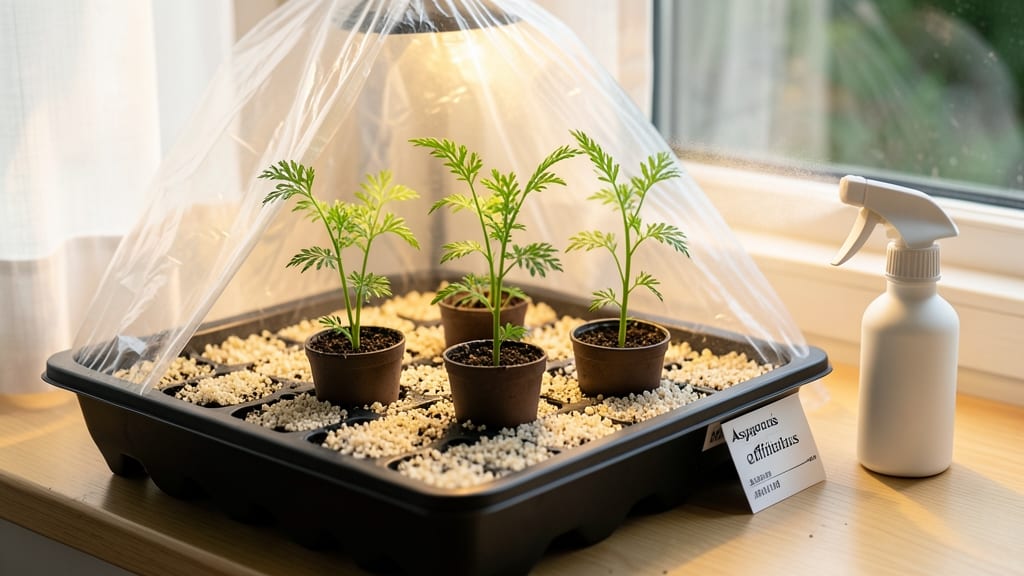
Growing asparagus from seed indoors is the secret to thick, viable stems that outperform store-bought crowns—if you know the tricks. I’ve started asparagus from seed three times now, and the first batch that didn’t bolt or grow leggy was a game-changer.
The key? Mimicking the cool, moist conditions of early spring while keeping light just right.
You’ll need a shallow tray (not deep pots), a mix of peat moss and perlite to prevent rot, and a grow light—asparagus seeds need 12-16 hours of bright light daily to avoid stretching.
Temperature matters too: keep it between 65-75°F for germination, then drop to 55-60°F once sprouts appear. Patience is critical—some seeds take 3-4 weeks to crack open.
By the time you’re ready to transplant (after 4-6 weeks of strong growth), you’ll have sturdy crowns that establish faster than nursery starts. The first harvest won’t come until year 3, but the payoff—sweet, tender spears for decades—makes the wait worth it.
The biggest mistake? Letting seedlings get too warm or dry.
Works in small spaces, even apartments, as long as you have a sunny window or grow light. Here’s how to avoid the common pitfalls—like leggy seedlings or slow germination—that trip up first-timers.
📚 In This Guide
- What you need
- Instructions
- Tips and common mistakes
- Wrapping up and next steps
What you need
- ● Asparagus seeds: 10–20 seeds (choose heirloom or hybrid varieties like 'Mary Washington' or 'Purple Passion').
- ● Seed-starting trays: 1–2 (with drainage holes) or small pots (3–4 inches deep).
- ● Seed-starting mix: 1–2 bags (sterile, well-draining, and peat-free if possible).
- ● Plastic wrap or humidity dome: 1 sheet (to retain moisture).
- ● Grow lights or sunny windowsill: 1 (full-spectrum LED or fluorescent lights work best).
- ● Spray bottle: 1 (for gentle watering).
- ○ Heating mat (optional but helpful): 1 (70–75°F range to speed germination).
- ● pH test kit: To check soil acidity (asparagus prefers 6.5–7.5).
- ● Fertilizer (balanced or low-nitrogen): 1 (diluted to half-strength after sprouting).
- ● Thermometer: 1 (to monitor soil/germination temps).
- ● Transplanting pots (5–6 inches): 2–3 (for seedlings before outdoor planting).
- ● Epsom salt: 1 small bag (magnesium boost for strong stems).
Step-by-step instructions for growing asparagus from seed indoors
Here’s how to cultivate sturdy asparagus seedlings indoors—ready to transplant with confidence.
Prepare the Seed Starting Mix and Containers
Asparagus seeds need a loose, sterile growing medium that mimics their natural sandy soil conditions. Use a blend of 50% high-quality seed-starting mix and 50% perlite to ensure excellent drainage—waterlogged roots will kill seedlings before they sprout. Fill 4-inch deep containers (one per seedling) with this mix, leaving ½ inch of space at the top. Gently press the soil down to eliminate air pockets, but avoid compacting it too tightly.
Moisten the mix thoroughly with warm water until it feels like a damp sponge—no puddles should form. A well-draining mix prevents rot, which is asparagus seedlings’ biggest enemy. Place the containers in a warm spot (70-75°F) for 24 hours before sowing; this jumpstarts germination and mimics spring soil temperatures.
Sow Seeds at the Correct Depth and Spacing
Asparagus seeds are tiny and slow to germinate, so precision matters. Plant 1-2 seeds per container, placing them ¼ inch deep—any deeper delays germination, and shallower planting risks drying them out. I use a toothpick to create a small hole, then drop the seeds inside with tweezers. Cover them lightly with a sprinkle of the same mix, ensuring they’re not buried under a thick layer.
Label each container immediately with the sowing date—it takes 4-6 weeks for germination, and seedlings grow slowly at first. Mist the soil surface with a spray bottle until evenly damp, but avoid soaking it. Overwatering now triggers fungal issues before roots even establish. Place the containers in a humidity dome or clear plastic bag to retain moisture and warmth, then set them in bright, indirect light (no direct sun yet).
Provide Ideal Light and Temperature for Germination
Asparagus seeds require consistent warmth (70-75°F) and bright, indirect light to germinate. A seedling heat mat keeps soil temperatures stable, while a grow light (12-14 hours daily) prevents leggy seedlings. Position the light 4-6 inches above the containers—closer than this can scorch tender sprouts. You’ll see first true leaves emerge in 4-6 weeks, but don’t rush germination by increasing heat or light too soon.
Check soil moisture daily—it should feel damp but not soggy to the touch. Bottom-watering (placing containers in a tray of water for 10 minutes) prevents surface mold without disturbing seedlings. Once 50% of seeds sprout, remove the humidity dome immediately to reduce disease risk. Thin to the strongest seedling per container if you sowed two, using clean scissors to snip at soil level.
Harden Off Seedlings Before Transplanting Outdoors
Four weeks before your last frost date, begin hardening off seedlings by placing them outside in partial shade for 1-2 hours the first day. Gradually increase exposure over 10-14 days, adding 1 hour daily and introducing direct morning sun last. Asparagus seedlings are delicate—sudden sun or wind can scorch leaves or break stems. Watch for wilting or yellowing, which signals they’re not ready for longer outdoor time.
Transplant on a cool, overcast afternoon to minimize stress. Dig a hole twice as wide as the root ball and no deeper—asparagus crowns must sit 2 inches below soil level for proper growth. Space seedlings 12-18 inches apart in rows 3 feet apart to allow for future crown expansion. Water deeply at planting to settle soil and eliminate air pockets around roots.
Maintain Soil and Light Conditions for First-Year Growth
First-year asparagus focuses on root and crown development, not harvest. Keep soil consistently moist (not soggy)—asparagus roots are shallow and drought-sensitive. Mulch with 2-3 inches of straw to retain moisture and suppress weeds, but avoid piling mulch against stems. Provide full sun (6+ hours daily) and well-draining soil—amend heavy clay with sand or compost if needed. Fertilize lightly with a balanced 10-10-10 formula at planting and again in early spring, but avoid high-nitrogen feeds, which promote foliage over roots.
You won’t harvest until year 3, but proper care now ensures thick, viable stems later. Watch for aphids or asparagus beetles—spray infested plants with neem oil if needed. By winter, let foliage die back naturally; cut stalks to 2 inches above ground in late fall to prepare for dormancy. These seedlings are now ready to deliver decades of harvests with the right care.
Tips & tricks for growing asparagus from seed indoors
Growing asparagus from seed indoors requires patience and precision—here’s how to avoid common pitfalls and maximize success.
Soil Mix Precision: The 50% seed-starting mix and 50% perlite blend is non-negotiable for asparagus. I’ve learned the hard way that even a slight deviation—like using regular potting soil—leads to waterlogged roots and fungal issues. For extra insurance, sterilize your mix by baking it at 200°F for 30 minutes before use. This eliminates any dormant pathogens that could sabotage your seedlings during the critical 4-6 week germination period.
Temperature Consistency: Maintaining that 70-75°F soil temperature for the first 24 hours is crucial—this mimics spring conditions and triggers germination. I’ve found that placing containers on a seedling heat mat set to "warm" (around 75°F) works best. If you don’t have a heat mat, nestle containers between two lamps with a 75-watt bulb each, positioned 12 inches above and below. Monitor with a soil thermometer to avoid overheating, which can cook the seeds before they sprout.
Light Management: The 12-14 hours of grow light daily prevents leggy seedlings, but positioning matters. I adjust the light height every week—starting at 6 inches and gradually increasing to 8 inches as seedlings grow. Too close causes scorching, while too far results in weak, elongated stems. For the first 2 weeks, keep lights on a timer to maintain consistency, especially if you’re not monitoring them constantly. This mimics natural daylight cycles and prevents stress.
Harden Off Gradually: The 10-14 day hardening process is where most beginners rush. I’ve seen seedlings collapse when moved too quickly from indoor warmth to outdoor conditions. Start with just 1-2 hours of partial shade, then increase by 1 hour daily. Pay attention to leaf color—yellowing or wilting means you’re moving too fast. On cloudy days, you can extend outdoor time slightly, but always return seedlings indoors by evening to protect them from temperature swings.
Pro Tips for Growing Asparagus From Seed Indoors
- Growing asparagus from seed indoors requires patience and precision—here’s how to avoid common pitfalls and maximize ...
- Soil Mix Precision: The 50% seed-starting mix and 50% perlite blend is non-negotiable for asparagus. I’ve learned the...
- Temperature Consistency: Maintaining that 70-75°F soil temperature for the first 24 hours is crucial—this mimics spri...
Frequently asked questions
Got questions?
Growing asparagus from seed indoors can feel like a puzzle at first, but don’t worry—we’ve got answers! Here are some of the most common queries to help you get started with confidence.
How long does it take for asparagus seeds to germinate indoors?
Asparagus seeds are slow starters—expect germination in 6 to 12 weeks under ideal conditions (consistent warmth, 70–75°F, and moisture). Patience is key! Use a heat mat if your home runs cooler, and keep soil damp (not soggy) to encourage sprouting.
Can I grow asparagus indoors year-round, or do I need a greenhouse?
Yes, you can grow asparagus indoors year-round, but it’s a long-term commitment. While you can start seeds indoors, asparagus thrives best with 10+ hours of light daily (supplement with grow lights if natural light is weak). For faster growth, a greenhouse or sunroom with controlled conditions is ideal—but determined indoor gardeners make it work!
Why aren’t my asparagus seeds sprouting? Troubleshooting tips?
If your seeds aren’t germinating, check these common culprits:
- Cold soil: Asparagus seeds need warmth—try a seedling heat mat.
- Too much moisture: Overwatering can cause rot; let the top inch of soil dry slightly between waterings.
- Old seeds: Asparagus seeds lose viability after 2–3 years. Test freshness or source new seeds.
- Low light: Even indoors, seeds need some light to break dormancy.
Do I need to transplant asparagus seedlings, or can I keep them in their starter pots?
While asparagus can stay in starter pots for 1–2 years, they’ll grow much faster in a larger container (at least 12 inches deep) or garden bed. Transplant seedlings when they’re 4–6 inches tall, using well-draining soil with compost. If space is tight, opt for container-friendly varieties like ‘Mary Washington’.
Is it worth growing asparagus from seed, or should I buy a crown instead?
Seeds are cheaper but take 2–3 years to produce harvestable spears, while crowns (root cuttings) yield spears in 1–2 years. If you’re patient and love the challenge, seeds are rewarding! For quicker results, crowns are the way to go—but seeds give you genetic diversity and the joy of watching the whole lifecycle.
Wrapping up and next steps
Growing asparagus from seed indoors is a rewarding journey that sets you up for a bountiful harvest—even if you’re working with limited space or a cooler climate. 🌱 With patience, the right tools, and a little care, you’ll soon be enjoying thick, viable stems straight from your home.
Now that you’ve got the know-how, why not take the next step? Start your seeds today and watch your green thumb grow!
Ready to dive in? Grab your supplies, follow the steps, and let your indoor asparagus adventure begin! 🌿