
Lawn
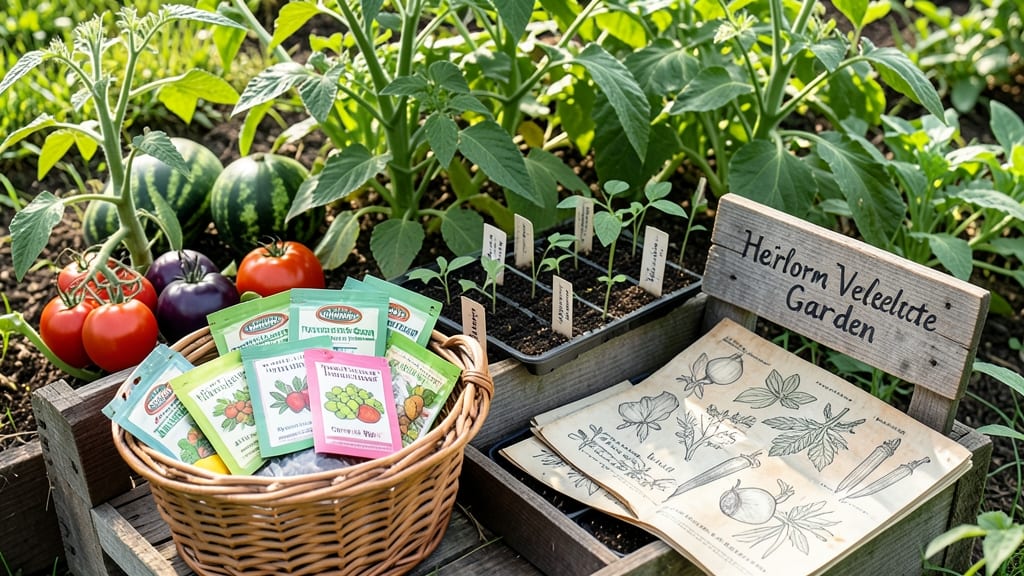
Finding heirloom vegetable seeds that actually grow true to type can feel like hunting for treasure. 🌱 My first year with heirloom seeds ended in disappointment—until I discovered companies that specialize in preserving rare, flavor-packed varieties that thrive in home gardens.
These aren’t just seeds; they’re living pieces of agricultural history, passed down through generations.
The best companies go beyond just selling seeds—they educate gardeners on seed saving, offer organic certifications, and focus on biodiversity. Baker Creek Heirloom Seeds, for example, carries over 1,400 varieties, while Seed Savers Exchange provides detailed growing guides for each heirloom.
High Mowing Seeds even offers organic seed blends, ensuring what you plant aligns with sustainable practices.
What you’ll get isn’t just a packet of seeds—it’s a taste of history in every bite. Imagine heirloom tomatoes like ‘Brandywine’ or ‘Cherokee Purple,’ peppers with names like ‘Shishito’ and ‘Aji Charapita,’ or beans that outperform store-bought varieties in both flavor and resilience.
These seeds adapt better to local climates over time, and you’ll save money by growing your own.
Perfect for gardeners who want flavor, sustainability, and a connection to the past. Whether you’re a beginner or a seasoned grower, these companies make it easy to bring rare varieties to your table. Let’s dive into the best options for your garden!
📚 In This Guide
- What you need
- Instructions
- Tips and common mistakes
- Wrapping up and next steps
What you need
- ● Heirloom vegetable seeds – Purchase from trusted heirloom vegetable seed companies (e.g., Baker Creek, Seed Savers Exchange, or Southern Exposure). Aim for 1-2 seed packets per variety to start.
- ● Seed-starting trays or pots – 50-100-cell trays or biodegradable pots (3-4 inches deep) for seedlings.
- ● Seed-starting mix – 1-2 cubic feet of sterile, well-draining potting soil (avoid garden soil—it’s too dense!).
- ● Grow lights or sunny windowsill – A full-spectrum LED grow light (12-16 hours/day) or a south-facing window with 6+ hours of sunlight.
- ● Spray bottle – For gentle watering (16 oz or larger with a fine mist nozzle).
- ● Labels & markers – Waterproof tags or popsicle sticks to track varieties (trust us, you’ll thank us later!).
- ● Transplanting tools – Small hand trowel or spade for moving seedlings outdoors.
- ● Heating mat – Speeds up germination for slow starters like peppers or tomatoes ($20-$40).
- ● Humidity dome – Keeps seedlings cozy (clear plastic lids work too!).
- ● Fertilizer (organic) – Fish emulsion or compost tea for a nutrient boost when seedlings are 2-3 inches tall.
- ● Seed catalogs or journal – To log your favorites and plan future crops!
- ● Garden gloves – Because nobody likes pricky tomato vines on their hands. 😅
How to select the best heirloom vegetable seed companies for your garden
Finding the perfect rare seeds starts with knowing where to look—here’s how to choose companies that deliver both quality and history.
🌱 Step 1: Prioritize Companies with Proven Track Records
Look for seed suppliers with decades of experience, like Baker Creek Heirloom Seeds or Seed Savers Exchange, which have been preserving rare varieties since the 1970s. These companies offer extensive catalogs with detailed descriptions of each variety’s history, growing conditions, and flavor profiles. I always cross-reference their seed listings with historical records to ensure authenticity—some companies resell seeds without verifying lineage, which can lead to mislabeled or hybridized varieties.
Check customer reviews for feedback on germination rates and seed viability. A company with a 95%+ germination guarantee (like High Mowing Seeds) shows confidence in their product. I’ve found that smaller, family-run operations often have deeper connections to heirloom growers, which translates to fresher, more carefully curated seeds.
🌿 Step 2: Verify Seed Authenticity and Documentation
Reputable heirloom suppliers provide open-pollinated (OP) or heirloom-certified seeds, meaning they’ve been grown for generations without genetic modification. Request seed packets that include pedigree documentation, such as the original source of the variety or the region where it was traditionally cultivated. For example, Territorial Seed Company specializes in seeds adapted to specific climates, like drought-resistant varieties from the Southwest.
Be wary of companies that offer "heirloom" seeds without specifying their source. I once ordered a packet labeled "1800s heirloom tomato" only to discover it was a modern hybrid relabeled for marketing. Always ask for seed-saving guidelines—companies that encourage growers to preserve and share seeds (like Seed Savers Exchange) are more likely to maintain genetic integrity.
☀️ Step 3: Compare Seed Availability and Adaptability
Consider the climate and growing conditions where the seeds thrive. Companies like Southern Exposure Seed Exchange focus on heat-tolerant varieties perfect for Southern gardens, while Pinetree Garden Seeds offers cold-hardy options for Northern growers. I cross-reference seed descriptions with my local USDA hardiness zone to ensure compatibility—some heirloom tomatoes, for instance, struggle in short-season climates.
Look for companies that offer trial seed packets or small quantities. This lets you test a variety’s performance in your garden before committing to larger orders. I’ve used Rare Seeds in the UK to source unique European varieties, and their trial sizes made it easy to assess flavor and yield without risking a full season’s investment.
⏰ Step 4: Plan for Ordering and Storage Timelines
Heirloom seeds often sell out quickly, so place orders 3-6 months before planting season. Companies like Baker Creek and Seed Savers Exchange ship seeds year-round, but popular varieties (like Brandywine tomatoes or Black Krim eggplants) may have waitlists. I set calendar reminders for early-bird ordering—last year, I missed out on a rare 19th-century melon variety because I waited until spring.
Store seeds in a cool, dark, dry place (like a sealed container in the fridge) to maintain viability. Most heirloom seeds retain potency for 2-5 years, but tropical varieties may need shorter storage. I label each packet with the purchase date and germination test results to track freshness—this helps avoid disappointment when seeds fail to sprout after years in storage.
✂️ Step 5: Join Seed Swaps and Community Networks
Companies like Seed Savers Exchange host annual seed swaps and online forums where growers share firsthand experiences. I’ve sourced rare beans and squash varieties from small-scale farmers through these networks, often at a fraction of commercial prices. Look for local seed libraries or regional seed-saving groups—these can be goldmines for varieties adapted to your specific microclimate.
Participate in germination trials or yield reports shared by other gardeners. For example, High Mowing Seeds invites customers to submit photos and notes on their growing experiences, which helps refine future seed offerings. I’ve used these community insights to predict which varieties will thrive in my garden’s unique conditions.
Tips & tricks for selecting the best heirloom vegetable seed companies
These insider strategies will help you uncover the most authentic, historically rich seeds for your garden—without the guesswork.
Documentation is Everything: When evaluating companies, prioritize those that provide pedigree documentation and seed-saving guidelines. I’ve learned the hard way that companies without these details often sell mislabeled or hybridized varieties. For example, Seed Savers Exchange includes the original cultivation region and historical context for each seed—this level of transparency is non-negotiable for true heirlooms. Always cross-reference with historical agricultural records to verify authenticity.
Climate-Specific Research: Don’t assume a seed variety will thrive in your garden just because it’s labeled "heirloom." Companies like Southern Exposure Seed Exchange specialize in heat-tolerant varieties, while Pinetree Garden Seeds focuses on cold-hardy options. Before ordering, check the USDA hardiness zone recommendations for each variety and compare them to your local climate data. I once planted a drought-resistant variety from the Southwest in my Pacific Northwest garden—it struggled terribly despite being "heirloom."
Trial Packets Save Money and Heartache: Many reputable companies offer trial seed packets or small quantities for testing. This is a game-changer for budget-conscious gardeners. I’ve used Rare Seeds from the UK to test unique European varieties before committing to larger orders. Start with 10-20 seeds of each variety you’re curious about, grow them in a small plot, and evaluate flavor, yield, and disease resistance before scaling up. This approach prevents costly mistakes with rare varieties.
Storage Secrets: Heirloom seeds can last 2-5 years when stored properly, but tropical varieties may need shorter storage. I’ve found that sealing packets in airtight containers with silica gel packets extends viability beyond the standard 2-5 year range. Label each container with the purchase date and germination test results—this simple habit has saved me from planting outdated seeds. For tropical varieties, store them in the fridge to slow moisture loss and maintain freshness.
Pro Tips for Heirloom Vegetable Seed Companies
- These insider strategies will help you uncover the most authentic, historically rich seeds for your garden—without the guesswork.
- Documentation is Everything: When evaluating companies, prioritize those that provide pedigree documentation and seed-saving guidelines.
- Climate-Specific Research: Don’t assume a seed variety will thrive in your garden just because it’s labeled "heirloom."
Frequently asked questions
Got questions about heirloom vegetable seeds? You’re not alone! Here are some of the most common queries—and their answers—to help you get started with rare, flavor-packed varieties.
What makes heirloom seeds different from hybrid seeds?
Heirloom seeds are open-pollinated, meaning you can save and replant them year after year. Hybrids, however, produce seeds that won’t grow true to type. Heirlooms also boast unique flavors, colors, and textures often lost in commercial varieties. Plus, they’re a piece of gardening history!
When is the best time to order heirloom seeds?
Order seeds 6–8 weeks before your last frost date—this gives you time to start indoors or direct-sow. Many companies offer early-bird discounts in late winter, so plan ahead! Pro tip: Check seed viability (most last 1–3 years) and store extras in a cool, dry place.
Are heirloom seeds more expensive than regular seeds?
Yes, but not always! While some rare varieties cost more, many companies offer affordable bulk packs or discounts for first-time buyers. Look for sales, seed swaps, or local seed libraries to save. Think of it as an investment in flavor, sustainability, and garden diversity!
Can I save seeds from heirloom vegetables?
Since heirlooms are open-pollinated, you can collect seeds from mature plants (e.g., tomatoes, beans, peas). Let them dry on the plant, then store in a sealed container. Avoid cross-pollination with hybrids to preserve purity. Try starting with easy-to-save crops like beans or lettuce!
How do I choose a reputable heirloom seed company?
Look for companies with organic certifications, transparent growing practices, and positive reviews. Check if they offer seed-saving guides or heirloom-specific support. Popular picks include Baker Creek Heirloom Seeds, Seed Savers Exchange, and High Mowing Seeds.
Wrapping up and next steps
Choosing heirloom vegetable seed companies is more than just a gardening decision—it’s a celebration of history, flavor, and biodiversity. These rare varieties not only enrich your garden but also connect you to generations of farmers and flavors lost over time.
Whether you're a seasoned gardener or just starting, now is the perfect time to explore these treasures and grow something truly special.
Ready to take the next step? Start small—pick a few heirloom seeds, test them in your garden, and let their stories grow with you! 🌱