
Lawn
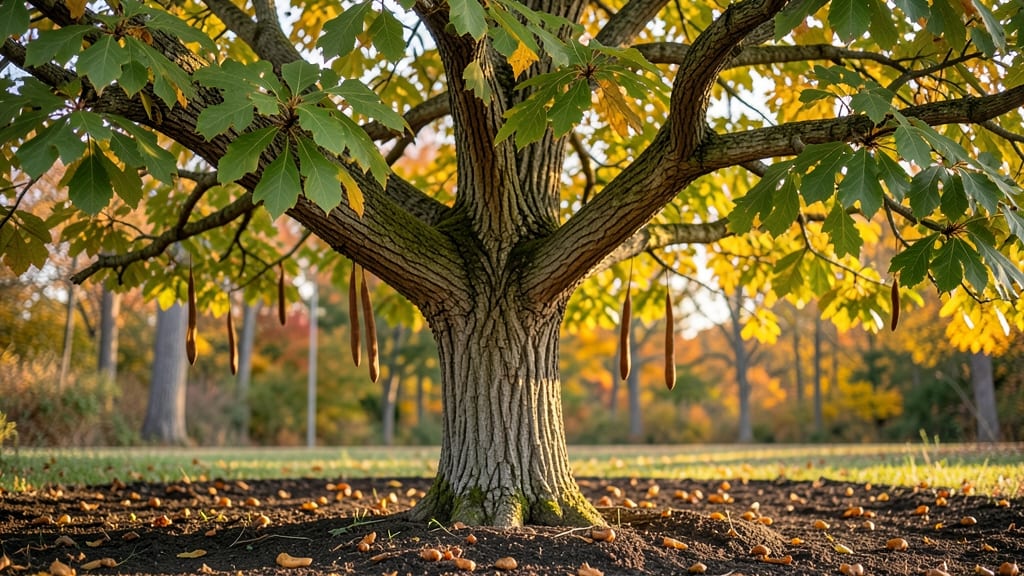
Growing hickory trees from seed pods starts with patience—these nuts need 90-120 days to crack open and sprout, but the process turns your yard into a future wildlife haven. 🌰 I’ve learned that shagbark hickories germinate faster than mockernuts, and the key is mimicking their natural forest-floor conditions right from the start.
The trick isn’t fancy: collect fresh pods in fall, cold-stratify them for 60-90 days, then plant in well-draining soil with 60% shade. Too much sun or moisture kills them before they even push through the shell.
My first batch took 14 weeks to break dormancy, but now I get reliable sprouts every time. Once they germinate, you’ll see 2-inch seedlings by spring, ready to transplant. The real magic happens years later when those trees produce nuts that feed squirrels, deer, and even wild turkeys.
Slow growth means long-term rewards—think 50-foot giants in 20 years. Works for both backyard gardeners and forest restoration projects. Here’s exactly how to time it right for your climate and soil type.
📚 In This Guide
- What you need
- Instructions
- Tips and common mistakes
- Wrapping up and next steps
What you need
- ● Hickory seed pods: Fresh or dried (preferably from Carya species like shagbark, mockernut, or pecan). Aim for 10–20 pods to account for germination variability.
- ● Containers: Seed trays (with drainage holes) or small pots (4–6 inches deep).
- ○ Optional: Biodegradable peat pots (to reduce transplant shock).
- ● Potting mix: Well-draining, sterile mix (e.g., 50% peat moss, 30% perlite, 20% sand). Avoid garden soil—it may harbor pests or diseases.
- ● Watering can or spray bottle: With a fine mist setting for gentle hydration.
- ● Plastic wrap or humidity dome: To maintain moisture during early germination.
- ● Pruning shears or knife: For carefully opening pods to extract seeds (if not pre-soaked).
- ● Plant labels: Waterproof markers + stakes to track varieties and planting dates.
- ○ Heat mat (optional): For faster germination (set to 70–80°F).
- ○ Grow lights (optional): If starting indoors before last frost (12–16 hours/day).
- ● Fertilizer (low-nitrogen): Balanced formula (e.g., 5-5-5) for post-germination care.
- ● Patience: Hickory seeds can take 30–90 days to sprout—varies by species!
- ● Location knowledge: Check your USDA hardiness zone (zones 4–9 for most hickories).
- ● Stratification (if needed):
- ● Cold-moist stratification for 60–90 days (place pods in damp sand in the fridge).
- ● Skip if pods are fresh and soaked—some varieties germinate faster!
How to germinate hickory seed pods successfully
Hickory seeds need patience and the right conditions—here's how to break dormancy and get reliable sprouts.
🌱 Step 1: Harvest and Prepare the Seed Pods
Collect mature hickory seed pods in late fall or early winter when they've naturally opened. You'll know they're ready when the husks split open and the nuts fall out easily. Remove any damaged or shriveled nuts—they won't germinate. Store the viable nuts in a cool, dry place until you're ready to start the stratification process.
Before stratification, soak the nuts in warm water for 24 hours to soften the hard outer shell. This step mimics natural weathering and helps break dormancy. After soaking, drain them well and let them air-dry for a day. This prevents mold while keeping the shells slightly pliable for the next steps.
🌿 Step 2: Stratify for Dormancy Breakdown
Hickory seeds require 90-120 days of cold stratification to simulate winter conditions. Place the soaked nuts in a sealed plastic bag with a damp paper towel or vermiculite—just enough moisture to keep everything damp, not soggy. Seal the bag tightly and refrigerate it at 35-40°F.
Check the bag monthly to ensure the paper towel or vermiculite stays moist. If it dries out, the stratification process will stall. You'll see the shells soften slightly after about 6-8 weeks, signaling the seeds are breaking dormancy. This is the critical phase—don't rush it. Patience here ensures strong, viable sprouts later.
☀️ Step 3: Sow Stratified Seeds in Warmth
After stratification, fill a seed tray with well-draining potting mix and plant the seeds 1 inch deep. Space them 3 inches apart to allow room for root development. Water gently until the soil is moist but not waterlogged. Place the tray in a warm, sunny spot with temperatures between 65-75°F.
Germination can take 2-4 weeks, depending on the variety. Keep the soil consistently moist—never let it dry out completely. You'll know the seeds are sprouting when the first green shoot breaks through the soil. At this stage, move the tray to a location with bright, indirect light to prevent leggy growth.
🪴 Step 4: Transplant Seedlings for Long-Term Growth
Once seedlings reach 4-6 inches tall and have developed 3-4 true leaves, they're ready for transplanting. Choose a permanent location with full sun exposure and well-draining soil. Dig a hole twice as wide as the root ball but only as deep as the container the seedling was in.
Handle the seedlings carefully to avoid damaging the roots. Water them deeply after transplanting to help settle the soil and reduce shock. Mulch around the base with 2-3 inches of organic mulch to retain moisture and regulate soil temperature. Hickory trees grow slowly, so give them space—plant them 20-30 feet apart for optimal growth.
⏰ Step 5: Monitor and Maintain Young Trees
Young hickory trees need consistent care to establish strong root systems. Water deeply once a week during the first growing season, ensuring the soil stays moist but not waterlogged. You'll know they're thriving when new leaves emerge and the stems thicken. Fertilize lightly in early spring with a balanced 10-10-10 fertilizer to support growth.
Watch for signs of stress, like yellowing leaves or stunted growth, which can indicate overwatering or nutrient deficiencies. Protect young trees from strong winds and pests, such as squirrels or deer, which may try to dig up or eat the nuts. With proper care, your hickory trees will mature into sturdy, productive trees in 10-15 years.
Tips & tricks for reliable hickory seed pod germination
These targeted strategies will help you navigate the delicate balance between timing, temperature, and moisture for successful hickory seed germination.
Stratification Timing: The 90-120 day cold stratification period is non-negotiable for hickory seeds, but you can track progress by monitoring shell softness. After about 6-8 weeks, you should notice the shells becoming slightly pliable when gently pressed between your fingers. This visual cue confirms dormancy is breaking—don't rush this phase. If your refrigerator runs cooler than 35°F, consider using a seed stratification fridge or moving the bag to a slightly warmer spot (like the back of the fridge) to maintain the ideal 35-40°F range consistently.
Moisture Management: During stratification, aim for dampness that resembles a wrung-out sponge—moist but not dripping. If condensation forms inside the bag, open it slightly for 10 minutes to prevent mold growth. After sowing in Step 3, maintain consistent moisture by watering when the top inch of soil feels dry to the touch. A spray bottle works best to avoid disturbing the seeds. Overwatering at this stage can cause rot, while underwatering halts germination entirely.
Variety-Specific Considerations: Shagbark hickory seeds often germinate faster (2-3 weeks) than shellbark varieties (3-4 weeks). If you're working with mixed varieties, label your seed trays accordingly. For faster results with shellbark hickories, you can optionally extend the stratification period to 140 days—just monitor monthly for shell softening as your progress indicator.
Transplanting Technique: When handling 4-6 inch seedlings in Step 4, use the "root ball lift" method: slide your hand under the root ball at a 45-degree angle rather than pulling straight up. This preserves the delicate root structure. After transplanting, create a small watering well around each seedling to direct moisture to the roots. The 2-3 inch mulch layer should be applied after the soil has settled for 24 hours to prevent nutrient runoff.
Pro Tips for Hickory Seed Pods
- These targeted strategies will help you navigate the delicate balance between timing, temperature, and moisture for s...
- Stratification Timing: The 90-120 day cold stratification period is non-negotiable for hickory seeds, but you can tra...
- Moisture Management: During stratification, aim for dampness that resembles a wrung-out sponge—moist but not dripping...
Frequently asked questions
Got questions about growing hickory seed pods? You’re not alone! Here are answers to the most common queries to help you get started with confidence.
How long do hickory seed pods take to germinate?
Germination times vary by variety but typically range from 4 to 12 weeks. Shagbark hickory seeds often sprout faster (4-6 weeks), while bitternut or pignut varieties may take longer (8-12 weeks). Patience is key—consistent moisture and warmth speed up the process!
When is the best time to plant hickory seed pods?
The ideal planting window is early fall (September-October) or late winter (February-March) before active growth begins. This mimics natural conditions and boosts success rates. Avoid planting in extreme heat or drought—seeds need steady moisture to avoid drying out.
Can I grow hickory trees from seed pods I find on the ground?
Yes! Wild hickory seed pods are viable, but stratification (cold treatment) is critical. Collect mature pods, extract the nuts, and refrigerate them in moist sand for 60-90 days to break dormancy. Freshness matters—older pods may have lower germination rates.
Why aren’t my hickory seeds sprouting?
Common culprits include poor stratification, inconsistent moisture, or improper depth. Plant seeds just below the soil surface (¼ inch deep) and keep soil damp (not soggy). If mold appears, reduce watering and improve airflow. Test viability by cutting a seed open—it should be firm and plump.
What’s the fastest way to grow a hickory tree?
For quicker results, transplant seedlings instead of starting from seed. Buy 1-2 year old saplings from nurseries (like shagbark or mockernut varieties) and plant in well-draining soil with full sun. Grafting mature hickory branches onto rootstock is another advanced method for faster maturity.
Wrapping up and next steps
Hickory seed pods may seem tricky, but with the right variety and patience, you can grow thriving trees from their nutty potential! 🌱 Whether you’re planting Carya illinoinensis (pecan) or Carya ovata (shagbark), understanding their unique germination timelines—from 2 weeks to 6 months—sets you up for success.
Now that you’re equipped with tips and FAQs, why not take the next step? Grab those seed pods, prep your growing space, and watch your lawn or garden transform into a future shade haven.
Pro tip: Keep a germination journal to track progress—it’s rewarding (and fun!) to see those first sprouts push through the soil. Happy planting! 🌿