
Size
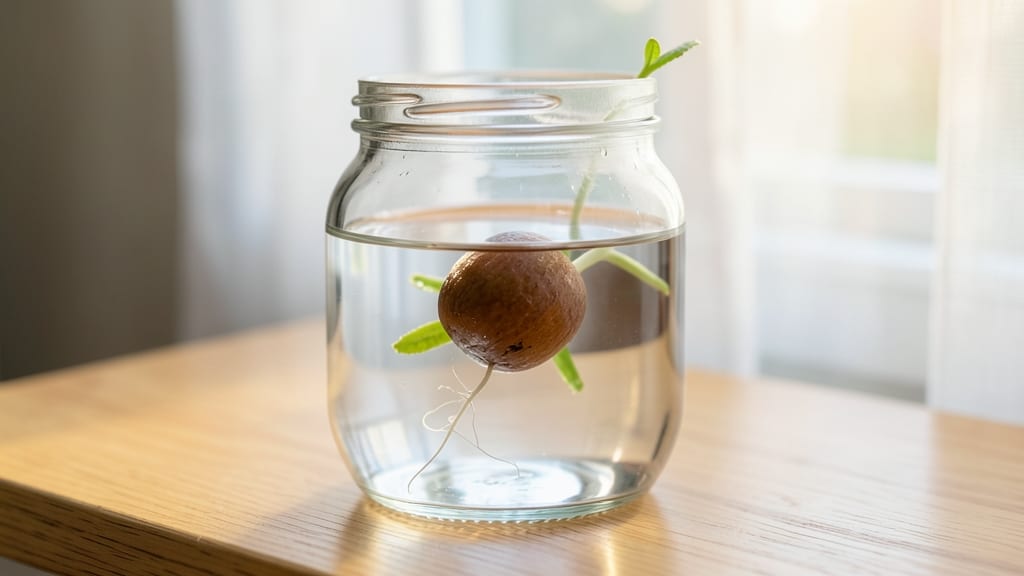
Growing a mango seed in water is the fastest way to get sprouts in just 2 weeks—no soil, no mess, just pure curiosity. 🌱 I tried this with a seed from a grocery store mango, and within days, roots appeared like magic.
The secret isn’t fancy equipment; it’s patience and keeping the water just right. You’ll need a glass jar, a mango seed (washed and dried), and a little bit of toothpicks to prop it up.
Change the water every 3-4 days to prevent mold, and watch as roots grow 1-2 inches per week. Most people quit too soon—stick with it, and you’ll see a tiny shoot emerge within 10-14 days.
Once your seedling has 3-4 inches of roots and a 2-inch sprout, it’s ready for soil. The transition is easy if you harden it off first—just move it outside for a few hours each day.
By summer, you could have a 3-foot-tall sapling that thrives in pots or the ground. This method works indoors or out, but if you live in a cold climate, keep it inside until spring. The best part?
You’re not just growing a plant—you’re growing a story, one tiny root at a time.
📚 In This Guide
- What you need
- Instructions
- Tips and common mistakes
- Wrapping up and next steps
What you need
- ● 1 fresh mango seed – Choose a seed from a ripe, organic mango (avoid seeds from store-bought fruit if possible).
- ● 1 clear glass or jar – A wide-mouth jar (8–12 oz) or a small glass works best for visibility and airflow.
- ● Water – Use room-temperature, filtered, or distilled water (tap water is fine if left out overnight to dechlorinate).
- ● Toothpick or skewer – For gently prodding the seed if needed.
- ○ Paper towel or coffee filter – Optional but helpful for draining excess water.
- ● Small plate or saucer – To place under the jar and catch drips.
- ● Spray bottle – For misting the seed if the water level drops too quickly.
- ● Grow light or sunny windowsill – If your space lacks natural light (6+ hours/day is ideal).
- ● Planting soil & pot – For transplanting once roots/sprouts appear (after ~2 weeks).
- ○ Food coloring (non-toxic) – Fun way to track water absorption (optional for kids’ projects!).
Step-by-step instructions for growing a mango seed in water
Here's how to coax a mango seed into sprouting roots in just 2 weeks—no soil required.
💧 Step 1: Prepare the Seed and Water
Start with a fresh mango seed—one that's been inside a ripe fruit for at least 3-4 weeks. Rinse it gently under running water to remove any pulp clinging to the surface. The seed's outer shell is tough, so I like to soak it in warm water for 24 hours to soften it slightly—this helps the seed absorb moisture faster.
After soaking, place the seed in a clear glass jar or container with enough room-temperature water to cover about one-third of the seed. The seed should float partially submerged, with the pointed end (radicle) facing downward. Change the water every 2-3 days to prevent mold or bacteria from forming. You'll see tiny bubbles forming around the seed—that's oxygen escaping as the seed begins to wake up.
🌱 Step 2: Wait for Roots to Emerge
Place the jar in a warm, bright spot—70-80°F is ideal, like a windowsill with indirect sunlight. Avoid direct sun, which can overheat the water and stress the seed. Within 7-10 days, you'll notice a small white root poking out of the bottom of the seed. This is the first sign of life!
Here's the thing—don't be tempted to add more water once roots appear. Keep the water level consistent, covering just the bottom third of the seed. Too much water can suffocate the roots, while too little will stunt growth. You'll know you're doing it right when the roots grow 2-3 inches long and look thick and white, not thin or limp.
✂️ Step 3: Transfer to Soil When Ready
Once the roots reach about 2-3 inches, it's time to plant. Fill a small pot—at least 4 inches deep—with well-draining potting mix. Make a hole in the center deep enough to bury half of the seed and its roots. Gently place the seed in the hole, roots first, and cover it lightly with soil.
Water the soil until it's evenly moist but not soggy. Place the pot in a warm, shaded spot for the first 2 weeks to help the seed adjust. You'll see the first true leaves emerge within 3-4 weeks—that's your signal that the seedling is thriving. Keep the soil consistently moist but never waterlogged, as mango seedlings are sensitive to root rot.
☀️ Step 4: Provide Light and Care for Growth
After the first leaves appear, move the pot to a location with bright, indirect light. Mango seedlings need plenty of light to grow strong, but direct sun can scorch young leaves. If you're growing indoors, a south-facing window is best. Outdoors, choose a spot with dappled shade.
Water the seedling when the top inch of soil feels dry to the touch. You'll notice the leaves will droop slightly if it's thirsty—this is your cue to water. Avoid getting water on the leaves to prevent fungal diseases. In 6-12 months, your mango seedling will be ready to transplant into a larger pot or garden bed, where it can continue to grow into a full-sized tree.
Tips & tricks for growing mango seedlings in water
These little-known tricks will help you maximize your chances of success with that mango seed—because patience and the right conditions make all the difference.
The Soaking Secret: While the 24-hour soak is perfect for most seeds, I've found that giving your seed a quick 5-minute warm water soak right after rinsing helps loosen any stubborn pulp clinging to the shell. This extra step prevents mold buildup in the water during the full 24-hour soak. Just use the same warm water you'd use for the long soak—no need for anything fancy.
Container Choice: The clear glass jar isn't just for looks—it lets you monitor root growth without disturbing the seed. But if you don't have one, any transparent container works. I've used recycled plastic bottles with the top cut off, just make sure it's wide enough to accommodate the seed's growth. Pro tip: Place a small stone or pebble at the bottom to keep the seed stable and prevent it from floating too high.
Temperature Troubleshooting: If your home stays below 70°F, your seed might take longer than the 7-10 days to sprout. To speed things up, place the jar on top of your refrigerator (not inside) or near a sunny window with indirect light. The gentle warmth from appliances helps kickstart germination. Just avoid direct heat sources—like the oven—that could cook the seed instead of waking it up.
Root Care: Once those roots hit 2-3 inches, resist the urge to trim them! Healthy roots should look thick and white, not stringy. If you notice any brown or mushy spots, that's a sign of overwatering. Simply rinse the roots gently with fresh water and reduce how often you change the water to every 4-5 days instead of every 2-3 days. Healthy roots are your best indicator that the seedling is ready for soil.
Pro Tips for Grow A Mango Seed In Water
- These little-known tricks will help you maximize your chances of success with that mango seed—because patience and th...
- The Soaking Secret: While the 24-hour soak is perfect for most seeds, I've found that giving your seed a quick 5-minu...
- Container Choice: The clear glass jar isn't just for looks—it lets you monitor root growth without disturbing the see...
Frequently asked questions
Got questions about growing a mango seed in water?
Here are the most common ones—and their answers—to help you avoid pitfalls and keep your little sapling thriving!
How long does it take for a mango seed to sprout in water?
A mango seed typically sprouts in 14–21 days when kept in water. Patience is key—some seeds germinate faster (as little as 7 days), while others may take up to 30 days. Keep the water warm (around 70–80°F) and change it every 2–3 days to speed things up.
Why is my mango seed rotting in water?
Rotting usually happens when the seed sits in stagnant or dirty water for too long. Always use fresh, filtered water and change it every 2–3 days. If the seed turns mushy or smells foul, remove it and start fresh with a new seed—some seeds just aren’t meant to sprout!
Can I grow a mango seed in water without sunlight?
While seeds can germinate in water alone, they’ll grow much slower without light. Once sprouted, place your seedling near a bright, indirect light source (like a sunny windowsill) for 4–6 hours a day. After roots reach 2–3 inches, transplant it to soil for faster, healthier growth.
How do I know when to move my mango seedling to soil?
Transplant your seedling when it has roots 2–3 inches long and a small green shoot (about 1–2 inches tall). Wait until the roots are well-developed to avoid shock. Use a well-draining potting mix and keep the soil moist (not soggy) for the first few weeks.
Will my homegrown mango tree produce fruit?
Most mango trees grown from seed take 5–10 years to bear fruit—and even then, the fruit may not be as sweet or flavorful as store-bought varieties. For faster, more reliable results, consider grafting or buying a nursery-grown tree. But hey, the journey is half the fun!
Wrapping up and next steps
Growing a mango seed in water is a rewarding journey that blends simplicity with the magic of nature! 🌱 With just a little patience and care, you’ve unlocked the potential to nurture a tiny sapling from something as humble as a fruit pit. Remember: consistency is key—whether it’s changing the water, providing sunlight, or protecting your seedling from drafts.
Now that you’re armed with the know-how, why not take the next step? Once your seedling is strong enough, transplant it into soil and watch it thrive into a full-fledged mango tree.
Every gardener starts somewhere—your future harvest (or even just the joy of growth!) is waiting. Happy growing! 🌿