
Propagation
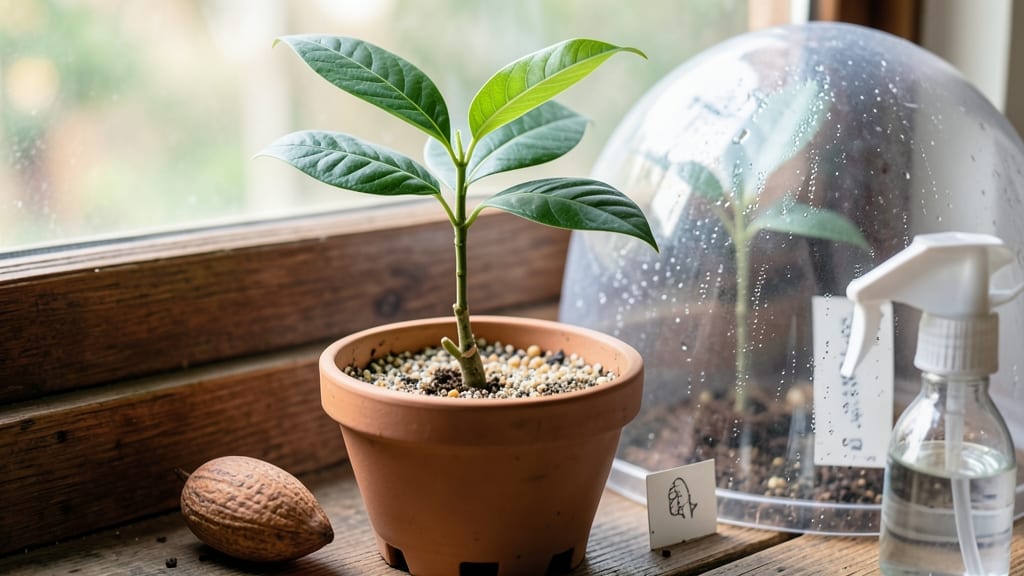
Growing a mango tree from seed indoors lets you nurture a tropical dream in your living room. 🌱 The journey starts with a single pit from your favorite fruit, and with the right care, you could see real leaves within months—not years.
I’ve watched my own seedlings go from wrinkled brown pits to lush green saplings, and the process is simpler than most expect.
You’ll need just a few supplies: a small pot with drainage, a well-draining potting mix, and patience for the slow start. The first challenge is germination, which can take 4-8 weeks—sometimes longer.
Keep the soil consistently moist but never soggy, and place the pot in a warm spot (around 70-75°F) where it gets bright, indirect light. Too much direct sun or cold drafts will stall growth.
Once sprouted, your seedling will need more space and light to thrive. Within a year, it could reach 3-5 feet tall, but don’t expect fruit for at least 5-10 years—this is a marathon, not a sprint.
The real magic happens when it develops glossy leaves and a sturdy trunk, proving that indoor tropical gardening is totally doable.
Common pitfalls include leggy growth from weak light or overwatering that causes mold. Rotate the pot regularly for even growth, and use a spray bottle to mist leaves if your home’s air feels dry.
With these adjustments, your mango tree will stay healthy and vibrant all year, bringing a taste of the tropics indoors.
📚 In This Guide
- What you need
- Instructions
- Tips and common mistakes
- Wrapping up and next steps
What you need
- ● Mango pit (seed): 1 fresh, fully ripe mango pit (avoid cracked or moldy seeds).
- ● Small planting pots: 2–3 pots (4–6 inches in diameter) with drainage holes. Tip: Use biodegradable pots if you plan to transplant outdoors later!
- ● Well-draining potting mix: 2–3 bags of a cactus/succulent mix or a blend of 50% potting soil + 50% perlite/sand (sterilized).
- ● Spray bottle: 1 (for gentle watering).
- ● Clear plastic bag or dome: 1 (to create humidity).
- ● Scissors or knife: 1 (for trimming seeds/pots).
- ● Grow lights or sunny windowsill: Access to 6+ hours of indirect light daily (south-facing window or LED grow lights).
- ○ Fertilizer (optional but helpful): A balanced liquid fertilizer (10-10-10) or seaweed extract for seedlings.
- ● Heating mat: 1 (to maintain soil warmth, ~80–85°F, for faster germination).
- ● Humidity tray: 1 (filled with pebbles and water to boost moisture).
- ● pH meter: 1 (to check soil pH; ideal range: 5.5–7.0).
- ● Support stakes: 1–2 (for taller seedlings).
- ● Pruning shears: 1 (for shaping as it grows).
Step-by-Step instructions for growing a mango tree from seed indoors
Here's how to nurture a tropical mango tree from seed—no greenhouse needed.
🌱 Step 1: Select and Prepare the Mango Seed
Start with a fresh, organic mango—store-bought fruit works fine. Cut the seed out carefully, leaving the brown shell intact. Rinse off any fruit residue and let it dry for 24 hours at room temperature. This prevents mold and helps the seed harden slightly before planting.
I like to gently sand the seed's outer shell with fine-grit sandpaper to thin the toughest areas. This doesn't damage the seed but helps water penetrate later. Place the seed between two paper towels, dampen them lightly, and fold them over the seed. Keep it in a warm, dark spot like a cupboard for 5-7 days until you see a tiny white root emerge.
🪴 Step 2: Plant the Germinated Seed
Fill a 4-inch diameter pot with well-draining potting mix—mango trees hate soggy roots. I use a blend of 60% potting soil, 30% perlite, and 10% coconut coir for the best results. Make a small hole in the center, about 1 inch deep, and place the germinated seed with the root pointing downward.
Cover the seed with soil, pressing lightly to secure it. Water gently until moisture reaches the bottom of the pot, but avoid oversaturating. Place the pot in a warm, bright location with indirect light—like an east-facing windowsill. You'll see the first true leaves appear in 2-3 weeks, signaling successful germination.
☀️ Step 3: Provide Optimal Light and Humidity
Mango trees need bright, indirect light for strong growth. If your home lacks natural light, supplement with a grow light positioned 6-12 inches above the plant for 12-14 hours daily. Too little light causes leggy growth, while direct sun can scorch tender leaves.
Keep humidity high by placing the pot on a tray filled with pebbles and water. Mist the leaves lightly every 2-3 days to mimic tropical conditions. You'll notice new leaves emerging every 2-4 weeks—this is your cue to fertilize lightly with a balanced, water-soluble fertilizer diluted to half strength.
🌿 Step 4: Transplant and Prune for Growth
When the seedling reaches 6-8 inches tall and has 4-5 sets of leaves, it's time to transplant into a 6-inch pot with fresh potting mix. Handle the roots gently to avoid damage. After transplanting, place the pot in a slightly shadier spot for 3-5 days to reduce stress.
Prune leggy stems by cutting just above a leaf node to encourage bushier growth. Pinch off any yellowing or damaged leaves immediately—they drain energy from the plant. By this stage, your mango tree should be developing a sturdy trunk and branches, ready for more frequent pruning as it matures.
⏰ Step 5: Maintain Year-Round Care
Water your mango tree when the top inch of soil feels dry, typically every 5-7 days depending on humidity. Overwatering is the fastest way to kill a mango seedling—always ensure the pot has drainage holes. Rotate the pot quarter-turn weekly so the plant grows evenly toward the light.
Fertilize every 4-6 weeks during the growing season with a balanced fertilizer. In winter, reduce feeding to every 8-10 weeks as growth slows. With patience, your indoor mango tree can grow 3-6 feet tall in its first year—though fruiting may take 5-10 years, the journey is worth it for the tropical vibe it brings indoors.
Tips & tricks for growing a mango tree from seed indoors
These simple tricks will help your indoor mango tree thrive from the very first seed.
Seed Prep Secret: The 24-hour drying period in Step 1 is crucial—don't skip it! I've learned this the hard way after watching seeds develop mold. Place your seed on a paper towel in a single layer, and position it near a fan on low setting to speed up drying while preventing moisture buildup. This step prevents future rot issues.
Germination Hack: When checking for root emergence during the 5-7 day germination period, place your paper towel-wrapped seed on a white plate. The white background makes the tiny white root much easier to spot against the brown shell. I've saved myself countless hours of guessing this way!
Lighting Strategy: For Step 3's 12-14 hours of grow light, I recommend using a full-spectrum LED bulb. Position it at the higher end of the 6-12 inch range (closer to 10-12 inches) to prevent leaf burn. Rotate the pot quarter-turn daily to ensure even growth toward the light source—this prevents that lopsided look many beginners notice.
Pro Tips for Grow A Mango Tree From Seed Indoors
- These simple tricks will help your indoor mango tree thrive from the very first seed.
- Seed Prep Secret: The 24-hour drying period in Step 1 is crucial—don't skip it! I've learned this the hard way after ...
- Germination Hack: When checking for root emergence during the 5-7 day germination period, place your paper towel-wrap...
Frequently asked questions
Got questions about growing a mango tree from seed indoors? You’re not alone! Here are some of the most common concerns—plus straightforward answers to help you succeed.
How long does it take for a mango seed to sprout?
A mango seed typically sprouts within 2 to 4 weeks if kept in warm, moist conditions. Patience is key—some seeds may take longer, especially if the soil is too dry or cold. Keep the pot in a bright, humid spot (like a bathroom with a shower) to speed up germination.
Will my indoor mango tree ever produce fruit?
Most indoor mango trees grown from seed won’t fruit for 5 to 10 years—if ever! Mango trees need cross-pollination, warm climates, and full sun to bear fruit. Focus on growing a lush, decorative tree instead. Grafted varieties (from nurseries) are better for fruit production.
What’s the best indoor location for my seedling?
Place your mango seedling near a south- or west-facing window where it gets 6+ hours of sunlight daily. If natural light is limited, supplement with a grow light (12–14 hours/day). Avoid drafts, air conditioning, or heating vents—consistent warmth (70–85°F) keeps it thriving.
Why is my mango seedling’s leaves turning yellow?
Yellow leaves usually mean overwatering or poor drainage. Let the top inch of soil dry out between waterings, and ensure the pot has drainage holes. Yellowing can also signal nutrient deficiency—use a balanced fertilizer (like 10-10-10) every 2–3 months once the tree is established.
Can I grow a mango tree from store-bought mango seeds?
Yes! Any fresh, plump mango seed will work—just rinse off the pulp, dry it, and plant it. Avoid seeds from pre-packaged or irradiated fruit (common in grocery stores), as they may not germinate. Opt for seeds from a ripe, organic mango for the best results.
Wrapping up and next steps
Growing a mango tree from seed indoors is a rewarding journey that brings a taste of the tropics right to your home! 🌱 With patience and care, you’ll nurture a living piece of nature—one that could even bear fruit someday. Start small, stay consistent, and watch your seedling thrive.
Now that you’re ready, plant that seed today and enjoy the process! Once your little sapling sprouts, keep an eye on its progress and share your tropical adventure with fellow plant lovers. Happy growing! 🌿