
Propagation
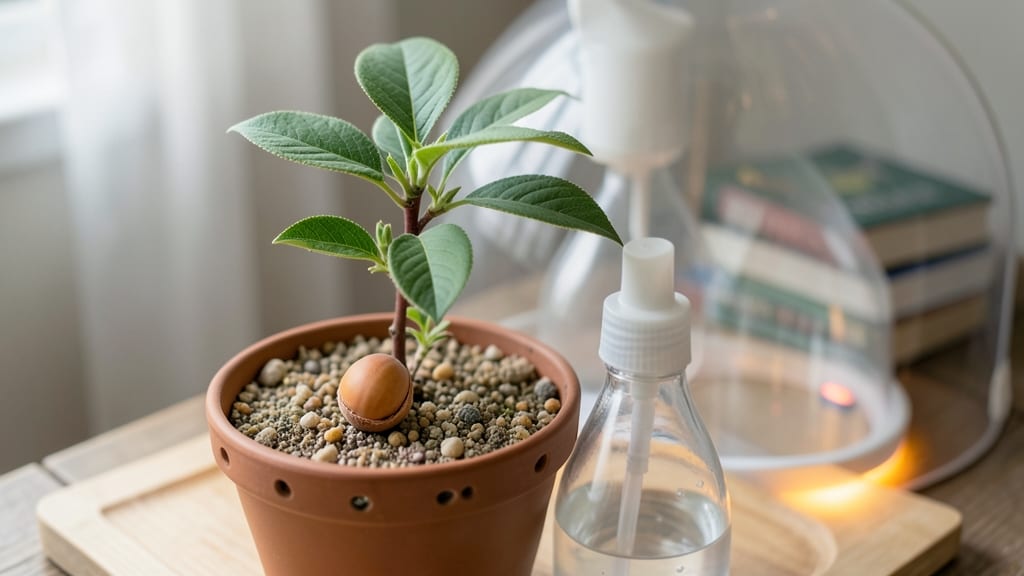
Growing peaches from seed indoors starts with patience and the right pit. 🌱 I’ve struggled with slow germination before, but these steps turn stubborn seeds into sturdy little trees—even on a sunny windowsill. The key? Mimicking nature’s timing and giving those tiny roots the perfect start.
You’ll need just a few supplies: peach pits from ripe fruit, a small container with drainage, moist potting mix, and a warm spot. Some seeds need a cold period (stratification) to break dormancy, but many will sprout without it if you soak them first.
My fastest results came from planting pits fresh after cleaning off the flesh. Expect your first green shoot in 2-4 weeks, though some take longer. Keep the soil damp but not soggy, and move seedlings to brighter light as they grow.
By spring, you’ll have a 6-inch sapling ready for transplanting outdoors—though don’t expect fruit for 3-5 years. Indoor-grown trees may never bear fruit, but the process teaches you how peach trees really grow. Plus, watching those first leaves unfurl? Pure magic.
Here’s how to avoid the pitfalls that trip up beginners.
📚 In This Guide
- What you need
- Instructions
- Tips and common mistakes
- Wrapping up and next steps
What you need
- ● Peach pit (seed): 1 fresh, fully ripe peach pit (avoid store-bought peaches—fresh, organic is best!)
- ● Small pots (4-6 inches): 2-3 pots with drainage holes (plastic or biodegradable options work)
- ● Well-draining potting mix: 1 bag of seed-starting mix or a blend of 50% peat moss and 50% perlite/sand
- ● Plastic wrap or humidity dome: 1 sheet to cover pots and retain moisture
- ● Spray bottle: 1 for gentle watering (avoid over-saturating the soil)
- ● Grow lights or sunny windowsill: Access to 6+ hours of indirect light daily (south-facing window or LED grow lights)
- ○ Heat mat (optional but helpful): 1 small mat (70-85°F range) to speed up germination
- ● Fertilizer: A balanced, water-soluble fertilizer (diluted to half-strength) for later growth
- ● Pruning shears: Small pair for trimming leggy seedlings
- ● Thermometer: To monitor soil temperature (ideal: 70-85°F for germination)
- ● Larger container: 1 gallon pot for transplanting once roots establish
Step-by-step instructions for growing peach trees from seed indoors
Here’s how to coax those tiny peach pits into seedlings with patience and precision.
🌱 Step 1: Extract and Prepare the Seeds
Start with fresh peach pits—never store-bought, as they’re often treated to prevent sprouting. Cut the pit open with a sharp knife, scoop out the seed inside, and rinse it clean. The seed’s outer shell is hard, so soak it in warm water for 24 hours to soften it slightly. This helps the seed break through faster later.
After soaking, place the seed between two paper towels and fold them over. Keep the towels damp (not soggy) and store them in a sealed plastic bag. Put the bag in a warm spot—75-85°F works best. You’ll see the seed split open and a tiny white root emerge in 7-14 days. This is your first sign of success!
🪴 Step 2: Plant the Germinated Seed in Soil
Once the root is about ½ inch long, it’s time to plant. Fill a 4-inch pot with sterile potting mix (not garden soil—it’s too dense). Make a small hole about 1 inch deep and place the seed in, root-side down. Gently press the soil around it to secure it without compacting too tightly.
Water lightly until the soil is moist but not waterlogged. Place the pot in a warm, bright spot—6-8 hours of indirect light daily is ideal. Avoid direct sun at first, as it can stress the delicate seedling. Keep the soil consistently moist by checking the top inch daily; if it feels dry, water again.
☀️ Step 3: Provide Light and Monitor Growth
After 2-3 weeks, your seedling should have its first true leaves (not the initial seed leaves). This is when you can introduce more light, like a grow light placed 2-4 inches above the plant. Keep the light on for 14-16 hours daily to mimic long summer days. Without enough light, the seedling will grow leggy and weak.
Watch for signs of overwatering—yellowing leaves or mushy stems mean you’re watering too much. Let the top inch of soil dry out between waterings. If the seedling starts to outgrow its pot (roots circling the bottom), transplant it to a 6-inch pot with fresh potting mix. Handle the roots gently to avoid damaging them.
⏰ Step 4: Harden Off and Prepare for Outdoors
Once your seedling has 4-6 true leaves and is 6-8 inches tall, it’s ready for outdoor acclimation. Start by placing it outside in a shaded, sheltered spot for 1-2 hours the first day. Gradually increase exposure over 10-14 days, moving it to sunnier spots and longer durations. This process, called hardening off, helps the seedling adjust to outdoor conditions.
By the time it can handle full sun for a full day, it’s ready for its permanent spot in the garden. Choose a location with at least 6 hours of sun and well-draining soil. Plant it at the same depth it was in its pot, and water deeply to help it settle in. Mulch around the base to retain moisture and protect the roots.
Tips & tricks for growing peach trees from seed indoors
Here's what nobody tells you about nurturing those tiny peach pits into thriving trees.
Germination Environment: The 75-85°F temperature range is non-negotiable for successful germination. I keep my seedling bag near a sunny window during the day and move it to a slightly warmer spot at night. A simple heat mat set to low (around 80°F) can help maintain consistent warmth if your home runs cooler. Avoid placing seeds near drafts or air conditioning vents—they’ll stall the germination process completely.
Lighting Strategy: Those 6-8 hours of indirect light in Step 2 are crucial, but don't be afraid to supplement with artificial light if needed. A basic LED grow light on a timer (14-16 hours daily) can make all the difference in preventing leggy seedlings. I place mine about 4 inches above the plant and adjust as the seedling grows. Remember, too much direct sun at this stage can scorch delicate new leaves.
Soil Preparation: Sterile potting mix isn't just about avoiding pathogens—it's about creating the perfect air-to-moisture balance. I like to mix in a bit of perlite (about 10% of the total volume) to improve drainage while keeping the soil light enough for those tiny roots. This helps prevent the common issue of overwatering, which can drown your seedling before it even gets a chance to thrive.
Transplanting Timing: When you notice roots circling the bottom of that 4-inch pot, it's time to upgrade to a 6-inch container. The key here is to transplant when the seedling has 2-3 sets of true leaves—not before. This gives the roots enough energy to establish themselves in the new pot. I always water the seedling thoroughly the day before transplanting to reduce shock.
Pro Tips for Grow Peaches From Seed Indoors
- Here's what nobody tells you about nurturing those tiny peach pits into thriving trees.
- Germination Environment: The 75-85°F temperature range is non-negotiable for successful germination. I keep my seedli...
- Lighting Strategy: Those 6-8 hours of indirect light in Step 2 are crucial, but don't be afraid to supplement with ar...
Frequently asked questions
Got questions about growing peaches from seed indoors? You’re not alone—this method has its quirks! Here are answers to the most common ones to help you navigate the process with confidence.
How long does it take for peach seeds to germinate indoors?
Peach seeds typically germinate in 2–4 weeks indoors, but patience is key! Keep the soil consistently moist (not soggy) and maintain warmth (around 70–80°F). If nothing sprouts after 6 weeks, the seed may not be viable—try a fresh one or adjust your conditions.
Can I speed up germination for peach seeds?
Yes! Stratification (mimicking winter) helps. Place seeds in a damp paper towel, seal in a plastic bag, and refrigerate for 4–6 weeks before planting. This breaks dormancy and can cut germination time by 50%. Skip this step, and you might wait months—or never see sprouts!
Will my indoor peach seedling actually produce fruit?
Probably not in the first few years—and maybe never! Peach trees grown from seed are not true to type, meaning your fruit could be tiny, sour, or even inedible. For reliable fruit, graft a known variety onto your seedling later. Think of this as a fun experiment, not a guaranteed orchard!
What’s the best light source for indoor peach seedlings?
Peach trees crave sunlight, so supplement natural light with a grow light (LED or fluorescent) 12–16 hours daily. Place it 6–12 inches above seedlings to prevent legginess. Without enough light, they’ll grow weak and pale—like a sad houseplant!
Why are my peach seedlings turning yellow or wilted?
Yellow leaves often signal overwatering or poor drainage. Let the top inch of soil dry between waterings, and ensure pots have drainage holes. Wilting could also mean underwatering or root rot—check for mushy roots and repot if needed. Adjust care, and your tree should perk up!
Still stumped? Drop your question in the comments—we’re happy to help troubleshoot your tiny peach pioneer!
Wrapping up and next steps
Growing peaches from seed indoors is a rewarding journey that blends patience with the joy of nurturing life from something as small as a pit! 🌱 While it may take time—sometimes years—before you see fruit, the process itself is a fascinating lesson in nature’s resilience.
Start small, stay consistent, and celebrate each milestone, from that first sprout to the sturdy young tree.
Ready to take the next step? Once your seedling is thriving, research transplanting guidelines or explore pruning techniques to ensure your peach tree grows strong. Happy growing—your future harvest is waiting! 🍑✨