
Planting
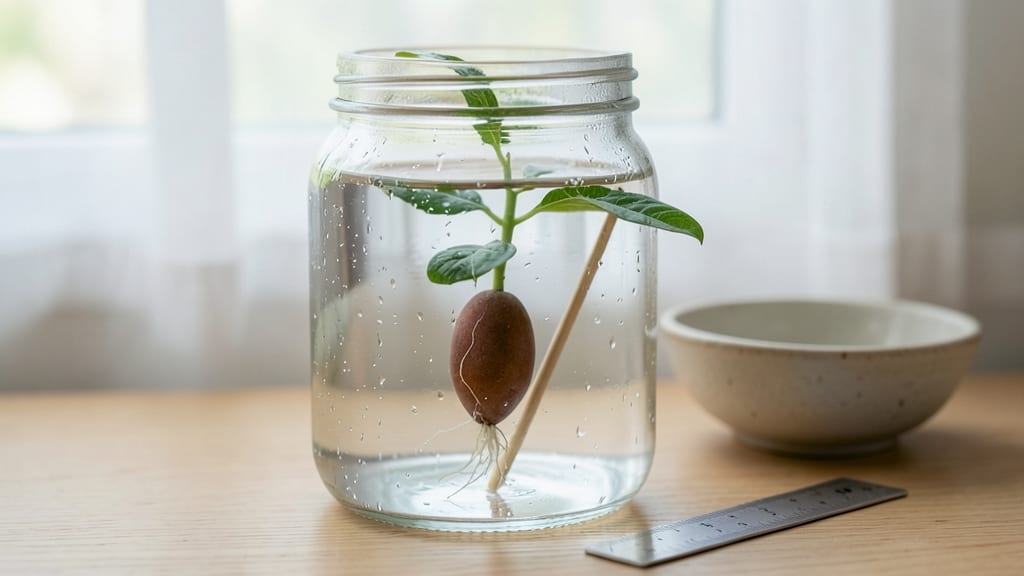
Planting a mango seed in water is the easiest way to grow your own tree from a grocery store find. 🌱 The process takes just 7 days to see the first signs of life, and it’s a zero-waste project that even kids can help with.
I’ve sprouted dozens this way—some thrive, others teach me patience—and every attempt feels like a tiny victory. All you need is a fresh seed, a glass or jar, and a little water. No fancy tools, no special soil, just the seed’s natural curiosity to grow.
The key is keeping the water fresh and the seed upright, which prevents mold and encourages a straight stem. Most seeds start cracking open within 3-5 days, and roots appear soon after.
By the time you transplant the seedling, you’ll have a 3-4 inch sprout with strong roots ready for soil. The first leaves might look strange—some seeds grow two cotyledons, others just one—but that’s normal. What matters is that it’s alive and hungry for sunlight.
This method works year-round, though slower growth happens in winter. If your seedling stalls, check the water level and light exposure. Patience pays off—some of my sprouts took 10 days to crack, but they grew into sturdy plants.
📚 In This Guide
- What you need
- Instructions
- Tips and common mistakes
- Wrapping up and next steps
What you need
- ● Fresh mango seed: One large, plump seed from a ripe, organic mango (avoid store-bought seeds treated with preservatives).
- ● Clean water: Filtered or room-temperature tap water (let tap water sit for 24 hours if chlorinated).
- ● Small container: A glass jar (8–12 oz), clear cup, or even a mason jar with a lid (ensure it’s tall enough for the seed to stand upright).
- ● Paper towel or coffee filter: 1–2 sheets (for drainage and support).
- ● Rubber band or string: To secure the paper towel in place.
- ● Toothpick or skewer: For gently poking holes in the seed’s hard shell (if needed).
- ● Spray bottle: To mist the seed lightly if the air feels dry.
- ● Grow light or sunny windowsill: For extra brightness once sprouts appear.
- ● Notebook & pen: To track progress (because science is fun!).
- ● Patience: Sprouting takes 7–14 days—don’t rush it!
- ● Consistency: Check water levels daily (keep it just enough to cover the seed’s bottom).
- ● Warmth: Aim for a cozy spot (70–85°F / 21–29°C) for faster germination.
Step-by-step instructions for growing a mango seed in water
Here's how to turn that grocery store pit into a thriving seedling in just a week.
🌱 Step 1: Clean and Prepare the Mango Seed
Start by washing the seed thoroughly under cool water to remove any residual fruit pulp. Use a paper towel to pat it dry completely—any moisture left behind encourages mold growth. I like to soak the seed in a glass of water for 12 hours to soften the outer shell and kickstart germination. This step is crucial because the seed's protective coating can slow down sprouting if left dry.
After soaking, gently rub the seed between your fingers to break the outer shell slightly. You don't need to remove it entirely—just create a few small cracks. This helps the root emerge more easily. Place the seed in a small container with fresh water, making sure it's fully submerged but not pressed against the sides. The water should cover the seed by about ½ inch—this ensures it stays hydrated while allowing air circulation.
💧 Step 2: Position for Germination and Monitor Daily
Set the container in a warm, bright spot—70-75°F is ideal, like near a sunny window or under a grow light. You'll see the first signs of life in 3-7 days, usually as a tiny white root breaking through the seed. This is the moment that matters: once the root reaches about 1 inch, it's time to transfer the seed to fresh water.
Here's the thing—don't let the water get stagnant. Change it every 2-3 days to prevent bacteria buildup. I use a small glass or jar so I can easily spot the root's progress. Watch for the seed to split open as the sprout pushes upward—this is your signal that germination is well underway. If the water turns cloudy, dump it and rinse the container before adding fresh water.
☀️ Step 3: Encourage Strong Root and Shoot Growth
Once the root reaches 2-3 inches, it's time to encourage the shoot to catch up. Place the container in bright, indirect light—direct sun can overheat the water and stress the delicate seedling. You'll notice the shoot emerge as a small, pointed leaf. This is when the seedling starts looking like a tiny mango tree.
Keep the water level consistent—always covering the root but not the seed itself. If the shoot grows leggy (stretching too tall), it needs more light. I rotate the container daily to ensure even growth. Real talk: this stage can take another 7-10 days, so patience is key. Once the shoot reaches 2-3 inches and has a few small leaves, your seedling is ready for its next adventure.
🪴 Step 4: Prepare for Transplanting to Soil
Before moving your seedling to soil, let the roots dry out slightly for 30 minutes—this helps prevent shock. Fill a small pot with well-draining potting mix and make a hole deep enough to bury the seedling up to its first set of leaves. Gently place the seedling in the hole and firm the soil around it. Water lightly to settle everything in place.
Don't skip this step—I learned the hard way that transplanting too early can drown the delicate roots. Keep the soil moist but not soggy for the first week, then gradually reduce watering as the seedling adjusts. Place the pot in bright, indirect light for another 2-3 weeks before introducing it to full sun. With care, your mango seedling could grow into a tree that bears fruit in 3-5 years!
Tips & tricks for growing mango seedlings in water
These simple tricks will help you avoid common pitfalls and give your mango seed the best chance to thrive.
The Soaking Secret: That 12-hour soak isn't just about softening the shell—it's also a great time to check for mold. If you notice any fuzzy growth during or after soaking, rinse the seed thoroughly and start fresh with a new one. I've found that using filtered or distilled water during this stage reduces the risk of contamination.
Container Choice Matters: While any small container works, I recommend using clear glass so you can easily monitor the seed's progress without disturbing it. If you use opaque containers, you'll need to be extra vigilant about checking for root growth every 2-3 days. Avoid metal containers—they can react with the water and affect germination.
Light Positioning: The 70-75°F temperature range is ideal, but light placement is just as critical. Place your container near an east-facing window where it gets gentle morning sunlight. Too much direct sun can heat the water and stress the delicate seedling. I've seen roots actually recede when water gets too warm—so keep it consistent!
Root Growth Milestone: When that first root reaches about 1 inch, it's time to refresh the water completely. Don't just top it off—dump the old water and rinse the container. This prevents bacteria buildup that can stunt growth. I like to use a small funnel to pour fresh water gently around the seed to avoid disturbing the emerging root.
Pro Tips for Plant A Mango Seed In Water
- These simple tricks will help you avoid common pitfalls and give your mango seed the best chance to thrive.
- The Soaking Secret: That 12-hour soak isn't just about softening the shell—it's also a great time to check for mold. ...
- Container Choice Matters: While any small container works, I recommend using clear glass so you can easily monitor th...
Frequently asked questions
Got questions about sprouting your mango seed? Here are answers to the most common ones—so you can grow with confidence!
How long does it take for a mango seed to sprout in water?
A mango seed typically sprouts roots in 7–14 days when kept in warm water (around 70–80°F). Some seeds may take longer, especially if they’re dried out or stored improperly. Pro tip: Change the water every 2–3 days to prevent mold and speed up germination!
What if my mango seed isn’t sprouting after 2 weeks?
Don’t worry—some seeds need more time or patience. Try these fixes:
- Check water temperature (too cold can slow growth).
- Ensure the seed stays half-submerged (not fully covered).
- Test viability: Place the seed in water for 24 hours—if it sinks, it’s likely viable!
Can I plant the sprouted seed directly in soil?
Yes! Once roots are 1–2 inches long and a tiny shoot appears, transplant it into well-draining soil. Use a small pot with a mix of potting soil and perlite. Keep the soil moist (not soggy) and place it in bright, indirect light until it’s strong enough for sunlight.
Is it better to use tap water, filtered water, or rainwater?
Filtered or rainwater is ideal
because it’s free of chlorine and chemicals that can harm the seed. If you must use tap water, let it sit out for 24 hours to evaporate chlorine. Avoid distilled water—it lacks minerals that support early growth.
What should I do if mold grows on the water?
Mold is a red flag! Discard the seed and water immediately to prevent fungal spread. To avoid mold:
- Use clean containers (rinse with vinegar or bleach solution).
- Change the water every 2–3 days.
- Keep the seed in a warm, dark place (like a cupboard) until roots appear.
Wrapping up and next steps
Growing a mango seed in water is a simple, rewarding way to kickstart your green thumb—no fancy tools or expertise needed! 🌱 By following these easy steps, you’ll watch roots sprout in just 7 days and gain a head start on nurturing your own mango tree.
Once your seedling is ready, it’s time to transplant with confidence—whether into soil or a cozy pot.
Ready to see your tiny seed transform? Grab your supplies, roll up your sleeves, and let nature work its magic. Your future mango tree is waiting!