
Planting
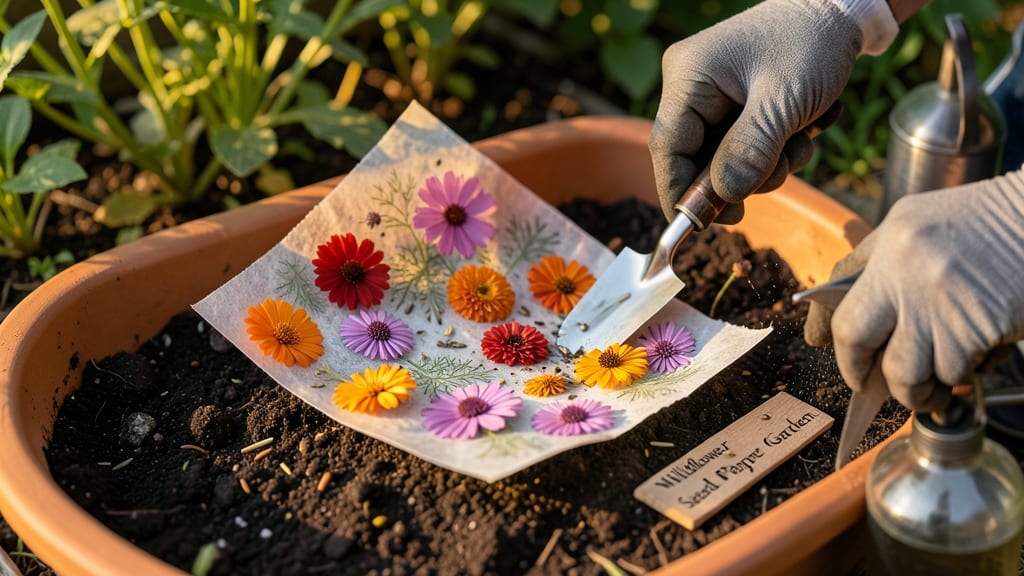
Planting wildflower seed paper turns bare spots into buzzing pollinator havens—no digging, no fuss. ✨ I’ve used these lightweight sheets to transform rocky slopes and urban planters into vibrant meadows in under 15 minutes, and the results never disappoint.
The best part? They’re pre-mixed with native seeds that attract bees, butterflies, and hummingbirds within weeks.
You’ll need just three things: seed paper (choose one for your climate), water, and a sunny spot with well-draining soil. No tilling, no measuring—just unfold, dampen, and press into the ground.
Spring or fall are ideal, but these seeds germinate even in mild winters. For extra insurance, lightly weigh down the edges with pebbles until roots establish.
Within 2-3 weeks, you’ll spot tiny sprouts pushing through the paper, which decomposes naturally. Keep the soil lightly moist (not soggy) for the first month, then let nature take over. By summer, your garden will burst with color—no weeding, no chemicals, just pure pollinator power.
Pro tip: Plant multiple sheets close together for a dense meadow effect, and avoid mowing until after the first frost. Perfect for balconies, roadsides, or even tucked into cracks in pavement. Let’s get those wildflowers growing!
📚 In This Guide
- What you need
- Instructions
- Tips and common mistakes
- Wrapping up and next steps
What you need
- ● Wildflower seed paper – Choose a size based on your space (e.g., 4"x6" for small pots, 8"x10" for larger areas). Look for native wildflower blends for best pollinator support.
- ● Water – A spray bottle (for precision) or a gentle watering can (for larger areas). Aim for light moisture—no drowning!
- ● Planting location – A sunny spot (6+ hours of sunlight daily) with well-draining soil. Containers, garden beds, or even a windowsill work!
- ○ Optional soil amendments – A thin layer of compost or potting mix (if planting in bare soil) to boost seedling growth.
- ● A lightweight mulch (like straw or shredded leaves) to retain moisture and deter weeds.
- ● A small hand trowel for pressing seed paper gently into the soil.
- ● Plant markers (if desired) to label your wildflower patch.
- ● Knee pads for comfort if you’re planting in a garden bed.
Step-by-step instructions for planting wildflower seed paper
Here’s the quick, foolproof method I use to transform any space into a buzzing pollinator haven—no digging required.
🌱 Step 1: Choose Your Planting Location
Select an area with 6+ hours of sunlight daily—wildflowers thrive where they can soak up warmth. I always check for existing vegetation first; seed paper works best on bare soil or lightly disturbed ground. If you’re planting in an established garden bed, gently remove weeds or mulch to expose the soil surface.
Wildflower seed paper performs best in well-draining soil, so avoid low-lying spots where water pools after rain. If your site has heavy clay, amending with 1-2 inches of compost before planting gives seeds a better start. Press the seed paper firmly into the soil—this ensures direct contact with moisture and prevents wind from blowing it away.
💧 Step 2: Prepare the Seed Paper for Planting
Seed paper is designed to dissolve naturally, but a little prep ensures maximum germination. Lightly mist the paper with water until it feels damp but not soggy—you want it pliable, not mushy. This step mimics the slow release of moisture that happens when rain falls on the paper in its natural environment.
If you’re planting in an area prone to dry spells, I recommend watering the soil beneath the paper first. Press the seed paper into the ground with your fingers, overlapping edges slightly if covering a larger area. The paper’s adhesive backing will hold it in place until roots establish. Avoid walking on the area for 48 hours to let seeds settle into the soil.
☀️ Step 3: Water and Monitor Germination
After planting, water the area gently but thoroughly—aim for ½ inch of water spread evenly over the seed paper. You’ll know it’s enough when the soil beneath feels damp 1 inch deep. Avoid soaking the paper, as excess moisture can cause it to disintegrate too quickly and wash away seeds.
Germination typically takes 7-21 days, depending on your climate and the specific wildflower mix. Watch for the first tiny green shoots—these are your signal that the seeds have successfully sprouted. During this time, keep the soil consistently moist but never waterlogged. A light misting every 2-3 days maintains ideal conditions without disturbing the delicate seedlings.
🌿 Step 4: Maintain and Encourage Growth
Once seedlings reach 2-3 inches tall, they’re ready for their first deep watering—this encourages strong root development. I recommend watering at the base of the plants rather than overhead to prevent fungal diseases. Wildflowers are drought-tolerant once established, but young plants benefit from regular moisture until they’ve developed deep roots.
Let the flowers go to seed in their first year—they’ll self-sow and create a permanent pollinator-friendly meadow. If you notice weeds sprouting alongside your wildflowers, pull them by hand when the soil is damp. This prevents competition for nutrients and water without disturbing the shallow roots of your wildflowers.
⏰ Step 5: Enjoy and Support Pollinators
The real magic happens after the first blooms appear, usually within 6-8 weeks of planting. Sit back and watch as bees, butterflies, and hummingbirds flock to your garden. To maximize impact, plant seed paper in multiple locations—even small patches create vital habitat corridors for pollinators.
If you want to extend the blooming season, consider planting a second round of seed paper in late summer. This ensures continuous nectar sources for pollinators throughout the growing season. The best part? Once established, wildflowers require minimal maintenance—just enjoy the show and let nature do the rest.
Tips & tricks for perfect wildflower seed paper planting
Here's what nobody tells you about making every seed paper installation thrive like a pro—no green thumb required.
Soil Prep Secret: If your soil is particularly dense or compacted, work in 1-2 inches of compost before planting to improve drainage and give seeds the nutrients they crave. I've found that even a thin layer makes a world of difference in germination rates, especially in urban areas where soil quality suffers. The key is to mix it into the top inch of soil rather than just laying it on top—this creates an ideal seed bed right where your paper will dissolve.
Watering Wisdom: The ½ inch of water recommendation in Step 3 is your target, but timing matters just as much. Water in the early morning so the moisture has all day to penetrate the soil before evaporating. I've learned the hard way that evening watering can lead to fungal issues if the paper stays damp overnight. Use a gentle rain shower setting on your hose or a watering can with a fine rose attachment to avoid disturbing the delicate seeds.
Germination Timeline: Those 7-21 days for germination can feel like an eternity, but there's a trick to speed things up in cooler climates. After planting, cover the area with a thin layer of straw mulch (about ¼ inch thick) to retain moisture and warmth. This can shave off several days from the germination window while protecting tender seedlings from temperature swings. Just be sure to keep the mulch away from direct contact with the seed paper itself.
Weed Prevention: The 48-hour no-walk rule after planting is non-negotiable, but here's how to make weed control even easier. Before planting, lay down a piece of landscape fabric cut to your planting area size, then place the seed paper on top. This creates a barrier that blocks weeds while still allowing water and air to reach the seeds. You can remove the fabric once seedlings reach 2-3 inches—the roots will have established enough to compete with any weeds that try to push through.
Pro Tips for Plant Wildflower Seed Paper
- Here's what nobody tells you about making every seed paper installation thrive like a pro—no green thumb required.
- Soil Prep Secret: If your soil is particularly dense or compacted, work in 1-2 inches of compost before planting to improve drainage and give seeds the nutrients they crave.
- Watering Wisdom: The ½ inch of water recommendation in Step 3 is your target, but timing matters just as much.
Frequently asked questions
Got questions about planting wildflower seed paper? You’re not alone—this eco-friendly gardening method is full of possibilities! Here are answers to the most common questions to help you grow a thriving pollinator garden with confidence.
Can I plant wildflower seed paper in containers or just the ground?
Yes! Wildflower seed paper can be planted in both containers and directly in the ground. For containers, use shallow trays or small pots with drainage holes. Press the paper into moist soil, water gently, and place in partial sun. Just ensure the container is large enough for roots to spread—6+ inches deep works well.
How long does it take for wildflowers to grow from seed paper?
Most wildflower seed paper blooms within 6–8 weeks, but timing varies by species and climate. Cooler regions may take longer (up to 10 weeks). Keep soil moist during germination (first 2–3 weeks), and avoid disturbing the area until sprouts appear. Patience pays off with vibrant blooms!
What if I forget to water it right after planting?
Don’t panic! Wildflower seed paper is drought-tolerant once established, but the first 2 weeks are critical. If you miss a watering, soak the soil deeply (1–2 inches) the next day. Mulch lightly with straw or leaves to retain moisture. Native wildflowers are resilient—just give them a drink when the topsoil feels dry.
Can I reuse or compost wildflower seed paper if it doesn’t grow?
If germination fails, the paper is 100% biodegradable. Tear it into small pieces and compost it (check local guidelines) or use it as mulch in another garden bed. Some seed papers contain slow-release nutrients—even failed attempts enrich the soil. Win-win for your green thumb!
Will seed paper attract bees or other pests?
Wildflower seed paper is designed to attract pollinators like bees, butterflies, and hummingbirds—that’s the goal! However, pests like aphids may visit blooming flowers. To minimize issues, choose native species (they’re pest-resistant) and avoid over-fertilizing. A light spray of neem oil can deter pests if needed.
| Pro Tip | Action |
|---|---|
| Plant in spring or fall for optimal germination. | Choose a sunny spot (6+ hours of light daily). |
| Check soil moisture weekly after planting. | Use a finger test—soil should be damp but not soggy. |
Wrapping up and next steps
Planting wildflower seed paper is a simple, rewarding way to transform any space into a vibrant pollinator haven—no green thumb required! 🌸 With just a few minutes of prep and a sprinkle of patience, you’ll soon enjoy a burst of color and life that benefits bees, butterflies, and birds. Ready to take the next step? Grab your seed paper, find a sunny spot, and let nature do the rest—your garden (and local pollinators) will thank you!
Pro tip: 💡 Share your blooming success with friends or neighbors—double the impact by inspiring others to join the wildflower revolution!