
Lawn
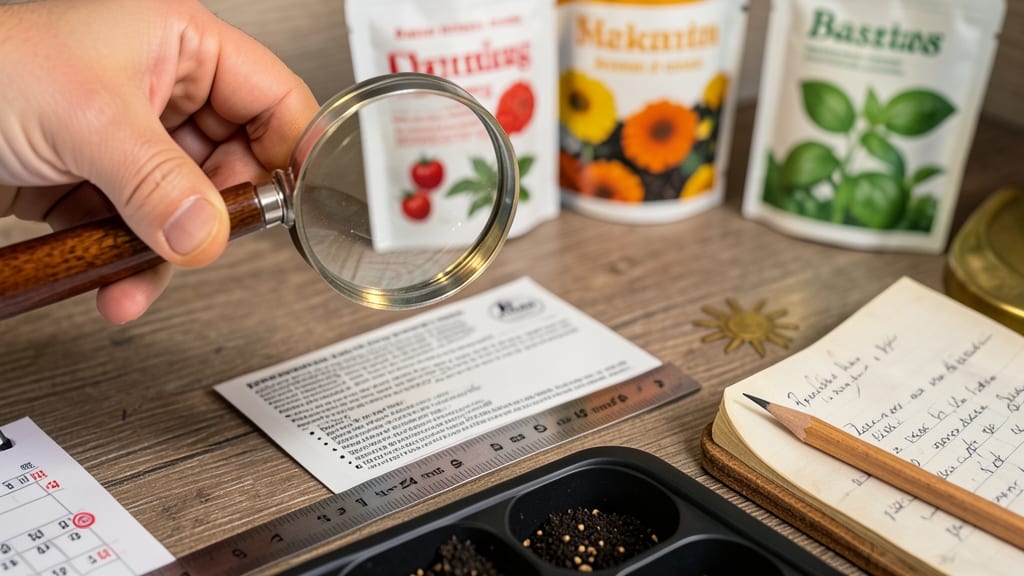
Seed packets hold how to read a seed packet—the secret to growing your best garden yet—if you know where to look. 🌱 The tiny print reveals everything from when to plant to how far apart seeds should go, but most people miss the key details that make or break their harvest.
I used to ignore the fine print until I realized my tomatoes were always planted too deep, my lettuce bolted too fast, and my zucchini crowded out everything else.
Start with the maturity date—that’s how long until harvest—and work backward from your first frost. Next, check the light needs (full sun, partial shade) to match your garden spot. Don’t overlook the spacing requirements—crowded plants compete for nutrients, while over-spaced ones waste space.
The planting depth (often marked with an arrow) is just as critical as the seed’s size.
You’ll avoid common mistakes like planting too early (seeds rot) or too late (bolting), and your garden will thrive with the right spacing and sunlight. Once you master these clues, you’ll confidently pick varieties that suit your climate and growing conditions—no more guessing games or wasted seeds.
Pro tip: Save seed packets in a dry place—they’re your gardening roadmap for years to come. Now grab a packet and let’s decode it together!
📚 In This Guide
- What you need
- Instructions
- Tips and common mistakes
- Wrapping up and next steps
What you need
- ● Before diving into your seed packet, gather these essentials to make the most of your gardening adventure! Here’s what you’ll need:
- ● Pro tip: 💡 Save old packets! Staple them to twine or store in a binder for future reference. Happy planting!
How to read seed packets: decode planting dates, light needs, and spacing clues
Seed packets hold all the secrets to growing success—here's how to crack the code without guessing.
📜 Step 1: Check the Planting Dates for Your Zone
Every seed packet lists last frost date and days to maturity—these numbers tell you exactly when to start seeds indoors or plant outdoors. First, find your USDA hardiness zone (usually on the packet or by zip code online). The packet will say something like "plant 6-8 weeks before last frost" or "direct sow after frost."
I always mark these dates on my calendar so I don't miss the window. For example, if your last frost is April 15 and the packet says "start indoors 8 weeks before," you'll begin on February 15. This ensures seedlings are ready when it's safe to transplant. Pro tip: Use a highlighter to mark critical dates—mistakes here mean wasted seeds or stunted plants.
☀️ Step 2: Decode Light Requirements
Look for terms like full sun, partial shade, or shade. Full sun means 6+ hours of direct sunlight daily, while partial shade is 3-6 hours. Shade-tolerant plants handle less than 3 hours. The packet might even include a sun symbol (☀️☀️☀️ for full sun, ☀️ for partial).
Here's where I get tripped up: "partial shade" doesn't mean "dappled sunlight"—it means filtered light or morning sun with afternoon shade. If your garden gets intense afternoon sun, a "partial shade" plant might still scorch. Test your spot by observing how much direct light it gets over a week before planting.
📏 Step 3: Understand Spacing and Depth
Spacing instructions (like "plant 12 inches apart") determine how many seeds you can fit in a bed and whether plants will compete for nutrients. Depth is usually listed as "plant ½ inch deep" or a similar measurement. I always double-check this because planting too shallow can dry out seeds, while burying them too deep delays germination.
Pay attention to terms like "thin seedlings" or "sow densely." Some plants (like carrots) need to be thinned to prevent crowding, while others (like lettuce) can be sown thickly and harvested leaf by leaf. The packet might also say "direct sow" (plant outdoors) or "start indoors" (transplant later)—this affects spacing too.
🌱 Step 4: Review Care and Harvest Tips
Seed packets often include soil preferences (e.g., "well-draining soil" or "moisture-retentive"), watering needs ("keep soil evenly moist"), and even pest warnings ("watch for aphids"). These clues save you from trial-and-error mistakes. For example, if a packet says "drought-tolerant," you know you can skip frequent watering once established.
Harvest info is gold: "harvest when pods turn brown" or "pick leaves before flowering" tells you exactly when to enjoy your efforts. I always jot this down next to my plants so I don’t miss the perfect moment. Some packets even include storage tips—like "dry thoroughly before storing"—which keeps your harvest usable longer.
⏰ Step 5: Note Special Instructions
Some packets include extra notes like "soak seeds overnight" (for hard-coated varieties) or "stratify for 4 weeks" (for seeds that need cold treatment). These are non-negotiable—skipping them can mean no germination at all. I keep a separate notebook for these special cases, as they’re easy to overlook in the excitement of planting.
Also watch for terms like "self-seeds" or "perennial." Self-seeding plants (like poppies) will return yearly if you leave seed heads. Perennials (like asparagus) need patience—the packet will tell you how many years to wait before harvest. These details transform a one-time planting into a long-term garden investment.
Tips & tricks for decoding seed packets like a pro
Seed packets seem simple, but they’re packed with hidden clues that can make or break your garden. Here’s how to decode them without missing a beat.
Zone-Specific Timing: If your packet says "plant 6-8 weeks before last frost," don’t guess—calculate it precisely. Use a free USDA zone map to find your exact zone, then mark the date on your calendar. I’ve wasted seeds by planting too early when frost was still a risk. Also, note if it says "direct sow after frost" or "start indoors"—this changes everything! For example, if your last frost is April 15, "8 weeks before" means February 15 for indoor starts.
Sunlight Reality Check: That "partial shade" label isn’t code for "dappled sunlight"—it means filtered light or morning sun with afternoon shade. Test your garden spot by observing how much direct sun it gets over a week. I once planted "partial shade" impatiens in full afternoon sun and they crisped up like overcooked fries. A simple shadow test saves heartache. For full sun plants (6+ hours), place them where they’ll get unobstructed morning and afternoon rays.
Spacing Secrets: The "12 inches apart" rule isn’t just about crowd control—it’s about airflow and nutrient access. Too close, and plants compete for resources; too far, and you waste space. For plants marked "thin seedlings," use scissors to snip unwanted sprouts at soil level rather than pulling (which disturbs roots). Pro tip: Draw a grid on paper first to visualize how many seeds fit in your bed before digging.
Special Instructions Aren’t Optional: That "soak seeds overnight" note isn’t a suggestion—it’s a requirement for hard-coated varieties like some beans. Same goes for "stratify for 4 weeks" (mimicking winter cold). I ignored this once with wildflower seeds and got zero germination. For these, create a DIY cold treatment by placing seeds in a sealed bag with damp paper towels in your fridge. Set a timer for the exact duration—no guessing!
Pro Tips for Read A Seed Packet
- Seed packets seem simple, but they’re packed with hidden clues that can make or break your garden. Here’s how to deco...
- Zone-Specific Timing: If your packet says "plant 6-8 weeks before last frost," don’t guess—calculate it precisely. Us...
- Sunlight Reality Check: That "partial shade" label isn’t code for "dappled sunlight"—it means filtered light or morni...
Frequently asked questions
Got questions about reading seed packets? You’re not alone! Here are answers to the most common queries—so you can plant with confidence and avoid costly mistakes.
What if my seed packet doesn’t have a planting date?
Check the days to maturity (e.g., "60 days to harvest") and your last frost date (find it online for your zone). For cool-season crops (like lettuce), plant 4–6 weeks before the last frost. For warm-season crops (like tomatoes), wait until after the last frost. If unsure, err on the side of caution—most seeds won’t sprout in cold soil!
Can I plant seeds too early or too late?
Yes! Planting too early can lead to bolting (premature flowering) or frost damage, while planting too late may result in poor germination or stunted growth. Always align with your hardiness zone and the seed’s ideal soil temperature (listed on the packet). For example, basil thrives in warm soil (70°F+)—planting it before the ground heats up will stress the seedlings.
What does “spacing” mean, and why does it matter?
Spacing refers to the distance between seeds/plants (e.g., "12 inches apart"). Crowding leads to competition for nutrients, water, and light, which can weaken plants or spread disease. Check the packet for mature plant size too—bush beans (18" tall) need more room than radishes (12" tall). Pro tip: Use a ruler or spacing tool to mark rows accurately!
My seeds didn’t sprout—what went wrong?
Common culprits:
- Old seeds: Most packets last 1–2 years (check the pack date if available).
- Incorrect soil temp/moisture: Some seeds (like peppers) need warm soil (80°F+). Keep soil damp but not soggy.
- Depth issues: Planting too deep can suffocate seeds. Rule of thumb: 2–3x the seed’s width (e.g., tiny carrot seeds = ¼" deep).
- Light exposure: Some seeds (e.g., lettuce) need light to germinate—don’t bury them.
Test a few seeds in a damp paper towel to see if they’re viable before replanting.
Can I reuse leftover seeds from a packet?
Store seeds in a cool, dry place (like a sealed container in the fridge) for 1–5 years, depending on the type. Label them with the variety and year. Just note: heirloom or open-pollinated seeds are best for saving—hybrids (marked "F1") may not produce true-to-type plants. Always check the packet for storage tips!
Wrapping up and next steps
Mastering how to read a seed packet unlocks the secret to a thriving garden! 🌱 From planting dates to light needs and spacing tips, every detail guides you toward success.
Now that you’re armed with this knowledge, there’s no better time to start planting—whether it’s a vibrant flower bed, a lush vegetable patch, or a dreamy lawn.
Ready to grow? Grab your seeds, head outdoors, and let your green thumb shine! 🌿 Next up: Dig in, follow the packet’s wisdom, and watch your garden flourish with confidence.