
Propagation
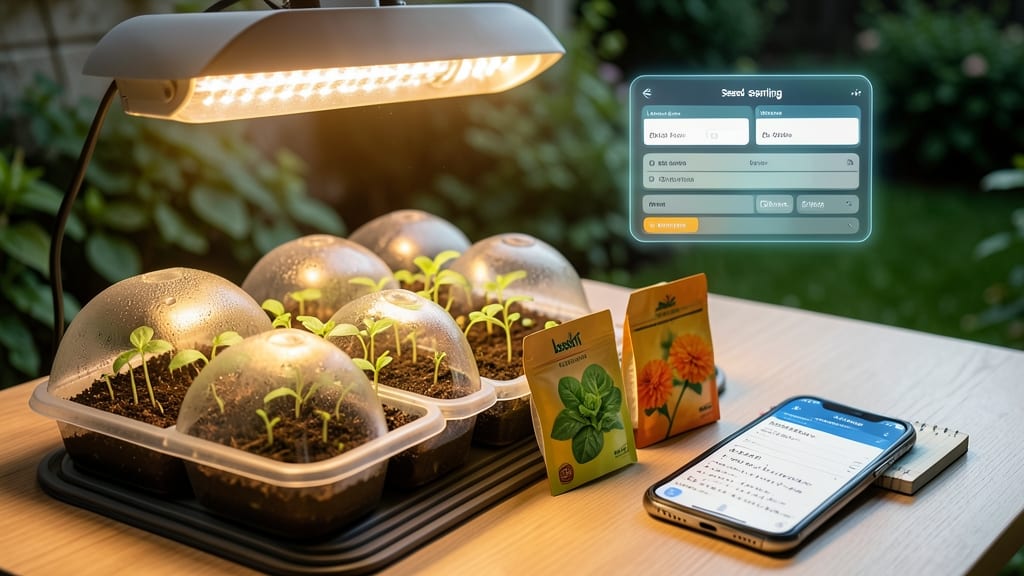
Precision planting starts with Johnny's Seed Starting Calculator—because timing your seeds wrong means either sad, leggy seedlings or bolting before harvest. 🌱 I used to guess when to start seeds, and let me tell you, that led to more than a few failures.
This tool takes the guesswork out of the equation by matching your last frost date to each variety's ideal transplant window.
The calculator asks for just three things: your zip code, the type of seeds (vegetables, flowers, herbs), and whether you're starting indoors or outdoors. It then spits out the exact dates to start seeds, transplant seedlings, and even when to harden them off.
No more wondering if you should've started those tomatoes six weeks ago or if you're too late for peppers.
Once you plug in your numbers, you'll see a timeline that keeps your seedlings at the perfect stage for transplanting—stocky, dark green, and ready to handle outdoor conditions.
This isn't just about avoiding bolting broccoli or stretching-out basil; it's about maximizing your harvest by giving plants the exact growing window they need.
For those tricky varieties like lettuce or onions, the calculator adjusts for direct sowing too. And if your climate runs hot or cold, you can tweak the days-to-maturity estimates based on your past success.
Pro tip: Bookmark the calculator and check it every year—your last frost date might shift slightly, and so should your planting schedule.
📚 In This Guide
- What you need
- Instructions
- Tips and common mistakes
- Wrapping up and next steps
What you need
- ● Seeds: Choose varieties compatible with your climate zone (Johnny’s calculator helps here!). Start with 10–50 seeds per tray depending on size.
- ○ Seed Starting Tray: 1020-cell trays (72–128 cells) are ideal for precision. Optional: Biodegradable pots for transplanting.
- ● Seed Starting Mix: Lightweight, sterile mix (e.g., Johnny’s Premium Seed Starting Mix). 1–2 cubic feet per tray.
- ● Grow Lights or Sunlight: Grow Lights: LED or fluorescent (e.g., 24–48” fixtures for full-spectrum coverage).
- ● Natural Light: South-facing window or greenhouse (12–16 hours/day).
- ○ Heat Mat (Optional but Helpful): Electric mat (70–80°F) for warm-season crops like peppers or tomatoes.
- ● Misting Bottle or Spray Nozzle: For gentle hydration without disturbing seeds.
- ● Humidity Dome or Plastic Wrap: To retain moisture during germination.
- ● Labels & Marker: Waterproof labels (1 per cell or pot) to track varieties and dates.
- ● Fertilizer: Low-dose starter fertilizer (e.g., fish emulsion 1-2-2 or Johnny’s All-Purpose Fertilizer).
- ● Tweezers or Seed Starter Tool: For precise seed placement (especially tiny seeds like lettuce).
- ● pH Meter or Test Kit: Ensure your mix is 5.8–6.2 pH for optimal germination.
- ● Thermometer: Monitor soil and air temps (65–75°F ideal for most seeds).
- ● Bottom Tray or Saucer: To catch excess water and prevent root rot.
- ○ Fan (Optional): Small oscillating fan for hardening off seedlings before transplanting.
- ● Notebook or Digital Tracker: Log planting dates, germination times, and growth milestones (Johnny’s calculator can sync with this!).
How to use Johnny's seed starting calculator for perfect timing
This tool takes the guesswork out of seed starting—here's how to use it like a pro.
📅 Step 1: Select Your Plant Variety and Location
Start by choosing the specific plant varieties you want to grow from the calculator's dropdown menu. Johnny's database includes thousands of seeds, so you can narrow it down by type—vegetables, herbs, flowers, or even specialty crops. Once you've selected your plants, enter your ZIP code so the calculator can generate accurate frost date information for your growing zone.
Here's the thing—frost dates vary year to year, and the calculator uses historical averages for your location. If you know your area tends to have earlier or later frosts, you can manually adjust the dates to match your local experience. This ensures your seedlings will be ready exactly when they need to be planted outside.
☀️ Step 2: Determine Your Seed Starting Method
The calculator asks whether you're starting seeds indoors or outdoors. For indoor starting, you'll need to specify if you're using a seedling heat mat, which dramatically speeds up germination. This step is crucial because different methods require different timing. For example, seeds started indoors with a heat mat can be planted earlier than those started without one.
If you're planting directly outdoors, the calculator will give you a more flexible window since you won't need to worry about transplanting shock. Just make sure to follow the recommended planting depth and spacing for each variety. I always double-check the seed packet instructions to confirm the calculator's suggestions match what the seed company recommends.
⏰ Step 3: Calculate Your Planting Timeline
Once you've selected your varieties, location, and method, the calculator will generate a precise timeline showing when to start your seeds indoors or when to sow them directly outside. It will also tell you when to transplant seedlings outdoors and when to expect harvests. This is where the magic happens—no more guessing if you planted too early or too late.
Pay special attention to the "Days to Germination" and "Days to Transplant" columns. These numbers tell you exactly when to expect your seeds to sprout and when your seedlings will be ready to move outside. For example, if the calculator says "Start seeds indoors 8 weeks before last frost," mark that date on your calendar right away. This gives you plenty of time to prepare your growing space and avoid last-minute stress.
🌱 Step 4: Adjust for Your Growing Goals
The calculator also lets you adjust for succession planting, which is perfect if you want multiple harvests of fast-growing crops like lettuce or radishes. Simply enter how many weeks apart you'd like to plant new batches, and the calculator will generate a full schedule. This is especially useful for gardeners who want to extend their harvest season or maximize their yield.
For long-season crops like tomatoes or peppers, you might want to start a few extra seeds just in case some don't germinate or thrive. The calculator doesn't account for seed loss, so it's always a good idea to add a buffer. I like to start 10-15% more seeds than I need, just to be safe. This way, I always have strong, healthy seedlings ready to plant.
📝 Step 5: Print or Save Your Custom Schedule
Once you've customized your timeline, print it out or save it to your phone so you can reference it throughout the season. I keep mine in a small notebook near my seed-starting setup, along with my seed packets and a pencil for notes. This way, I can quickly check when to water, fertilize, or transplant without having to dig through my phone or computer.
Don't forget to mark important dates on your calendar, like when to start seeds, when to transplant, and when to expect your first harvests. Setting reminders on your phone is a great way to stay on track, especially if you're juggling multiple varieties. This level of organization makes seed starting feel effortless, even for beginners.
Tips & tricks for perfect seed starting timing
These little adjustments will turn your seed starting from stressful guessing to confident planning.
Local Frost Date Reality Check: The calculator uses historical averages, but your actual frost dates might differ. I always check my local weather service for the past 3 years' frost records and adjust the calculator's dates by +2 to -3 days if my area tends to have early or late frosts. This small tweak prevents ending up with leggy seedlings when frost hits unexpectedly.
Heat Mat Game-Changer: If you're using a seedling heat mat (which the calculator accounts for), place it under your seed trays for the first 7-10 days after planting. The mat should keep soil temps around 70-75°F—this consistent warmth speeds germination by 30-50% compared to room temperature. Just remember to remove it once seeds sprout to prevent overgrowth.
Succession Planting Strategy: For crops like lettuce or radishes, I recommend setting up 3 planting batches spaced 10-14 days apart using the calculator's succession planting feature. This creates a continuous harvest window rather than one big crop all at once. The calculator will automatically adjust the transplant dates for each batch—just follow the generated schedule exactly.
Calendar Double-Check: After generating your timeline, I print it out and mark every key date on my physical calendar with colored markers. For seed starting dates, I use red; for transplant dates, I use green. This visual system prevents me from missing critical windows, especially when juggling multiple varieties. You can also set phone reminders labeled "Seed Starting: [Variety]" for each important date.
Pro Tips for Johnnys Seed Starting Calculator
- These little adjustments will turn your seed starting from stressful guessing to confident planning.
- Local Frost Date Reality Check: The calculator uses historical averages, but your actual frost dates might differ. I ...
- Heat Mat Game-Changer: If you're using a seedling heat mat (which the calculator accounts for), place it under your s...
Frequently asked questions
How do I know which varieties to input into the calculator?
The Johnny’s Seed Starting Calculator supports hundreds of common varieties, including tomatoes, peppers, herbs, and flowers. Check Johnny’s website or seed packets for the exact variety name—this ensures the most accurate planting timeline. If your variety isn’t listed, use the "custom" option and input your last frost date manually.
What if my last frost date is different from the calculator’s default?
No problem! The calculator lets you adjust your local last frost date under the "Settings" tab. This ensures the timeline aligns with your region’s climate. For example, gardeners in Zone 5 should input their specific frost date (e.g., May 15) instead of relying on the default Zone 5 range.
Can I use this calculator for indoor seed starting under grow lights?
The calculator accounts for indoor seed starting by default. Just select "indoor" when prompted, and it’ll generate a timeline for transplanting seedlings to your garden or pots. For grow lights, aim for 12–16 hours of light daily to match outdoor daylight conditions.
What should I do if my seeds aren’t germinating on schedule?
First, check seed viability (test with a damp paper towel) and ensure consistent moisture and warmth (70–85°F). If germination is slow, consider soaking seeds overnight (for hard-coated varieties like peas) or adjusting your grow light distance. If seeds fail entirely, try fresh seeds or contact the supplier for replacements.
Does the calculator work for tropical or subtropical climates?
Yes! For tropical/subtropical zones (e.g., Zone 10+), skip the frost date entirely and use the calculator’s "custom" mode. Input your preferred planting window (e.g., "start seeds 8 weeks before outdoor transplanting"). Many tropical crops like okra or sweet potatoes thrive with shorter indoor periods—adjust as needed!
Wrapping up and next steps
Mastering your seed-starting timeline with Johnny’s Seed Starting Calculator means healthier plants, bountiful harvests, and fewer guesses!
Whether you’re a seasoned gardener or just beginning, this tool takes the guesswork out of planning—so you can focus on nurturing life. Now’s the perfect time to act: grab your calendar, pick your varieties, and let the calculator guide you to a thriving garden. 🌱✨
Next step: Download the calculator today and start plotting your perfect planting schedule!