
Propagation
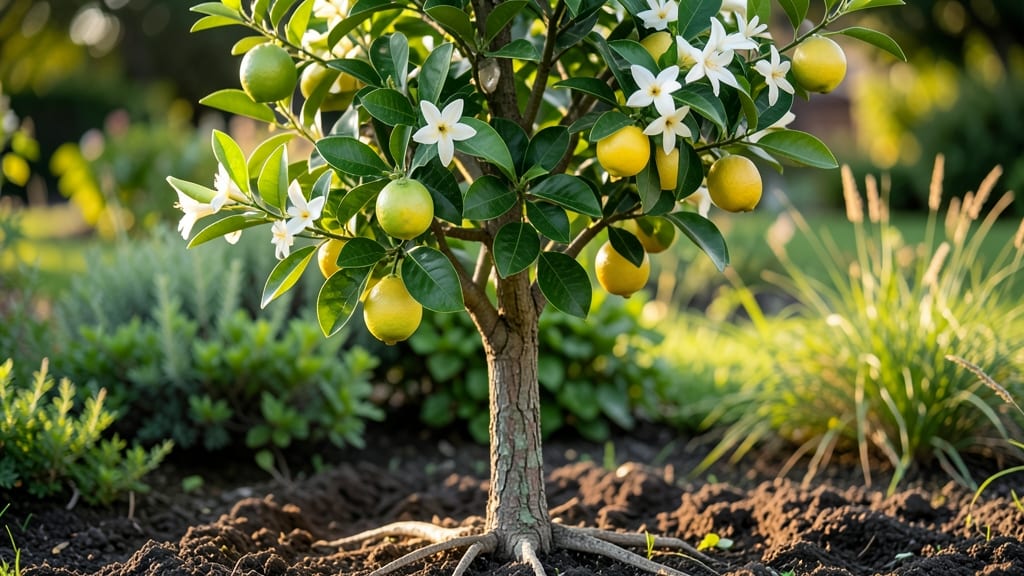
Growing a lemon tree from seed to fruit is the ultimate zero-waste victory—imagine plucking your own citrus in three years. 🌱 The key is patience and a few simple tricks to coax that seed into a thriving tree.
I've grown three from grocery store pits, and my second one just produced its first tiny lemons this winter. You'll start with a pit, a pot, and a sunny windowsill—no greenhouse required.
Most people quit at the seedling stage, but the real magic happens when you prune for shape and hand-pollinate those first flowers. My first tree took 24 months to bloom, but now it fruits reliably every fall and winter.
By year three, you'll watch those bright green lemons swell on the branches, their scent filling the air. The tree stays compact enough for containers, and the fruit—while not as sweet as grocery store lemons—is packed with flavor when you grow it yourself.
This works in containers or ground, indoors or out, as long as you give it 6+ hours of light daily and protect it from frost. Let's get that pit sprouting!
📚 In This Guide
- What you need
- Instructions
- Tips and common mistakes
- Wrapping up and next steps
What you need
- ● Lemon seeds: 3–5 fresh, plump seeds (harvested from organic lemons for best results).
- ● Seed-starting soil: 1–2 gallons of sterile, well-draining potting mix (e.g., Miracle-Gro Seed Starting Potting Mix or a cactus/succulent blend).
- ● Small pots or seed trays: 4–6 biodegradable pots (3–4 inches in diameter) or a seed tray with cells.
- ● Grow lights or sunny windowsill: A full-spectrum LED grow light (12–16 hours/day) or a south-facing window (if natural light is abundant).
- ● Spray bottle: For gentle watering (avoid over-saturating seeds).
- ● Plastic wrap or humidity dome: To retain moisture during germination.
- ● Fertilizer: A balanced, water-soluble fertilizer (e.g., 10-10-10 NPK) or organic options like fish emulsion or compost tea.
- ● Larger container (1–2 gallons): For transplanting seedlings (e.g., a fabric grow bag or terracotta pot with drainage holes).
- ● Drip tray or saucer: To catch excess water and prevent root rot.
- ● 💡 Heating mat: Speeds up germination (70–75°F is ideal).
- ● 🌡️ Thermometer/hygrometer: Monitors soil temperature and humidity.
- ● ✨ Citrus-specific fertilizer: High in micronutrients like zinc and iron (e.g., Espoma Citrus-Tone).
- ● 🔄 Pruning shears: For shaping the plant as it grows.
- ● 🍋 Pollination aid: A small paintbrush to hand-pollinate flowers (if indoor-growing).
Step-by-step guide to growing a lemon tree from seed to fruit
Turn that kitchen scrap into a thriving citrus tree with these simple, zero-waste steps.
🌱 Step 1: Extract and Prepare the Seed
Save the seeds from a fresh, organic lemon—avoid store-bought fruit treated with preservatives. Cut the lemon in half and scoop out the seeds with a spoon, rinsing them under cool water to remove pulp. Place the seeds in a small bowl of lukewarm water for 24 hours to soften the outer coating.
After soaking, gently rub the seeds between your fingers to remove any remaining pulp. This prevents mold and speeds up germination. Lay the cleaned seeds on a paper towel and let them air-dry for 1-2 hours—they should feel slightly damp but not wet. Here's the thing: don't rush this step. Overly wet seeds rot before sprouting.
🪴 Step 2: Choose a Container and Plant the Seed
Use a 4-inch diameter pot with drainage holes—terracotta works best because it breathes. Fill it with a mix of 50% potting soil and 50% perlite to ensure good drainage. Plant the seed ½ inch deep, pressing it lightly into the soil so it stays in place.
Water gently until the soil feels moist to the touch but not soggy. Cover the pot with a clear plastic bag to create a greenhouse effect, securing it with a rubber band. Place the pot in a warm spot with indirect light—a windowsill away from direct sun works well. You'll see tiny sprouts in 2-4 weeks, but don't peek inside the bag until then.
☀️ Step 3: Nurture the Seedling to Maturity
Once the seedling emerges, remove the plastic bag and move it to a south-facing window where it gets 6-8 hours of sunlight daily. Rotate the pot a quarter turn weekly to prevent leaning. When the seedling reaches 6 inches tall, transplant it into a 6-inch pot with fresh potting mix.
Water when the top inch of soil feels dry, but avoid soggy soil—lemon trees hate wet roots. After a year, your tree will need a 10-inch pot and a winter rest period: reduce watering and move it to a cooler spot (50-60°F) for 2 months. This mimics natural dormancy and encourages blooming.
🌿 Step 4: Encourage Flowering and Fruit Production
When your tree is 3-5 years old, it may produce its first flowers. To boost fruit set, hand-pollinate by gently shaking the branches or using a small paintbrush to transfer pollen between flowers. Keep the soil consistently moist but not waterlogged during this phase.
Fruit will take 6-12 months to ripen, depending on growing conditions. A ripe lemon will turn bright yellow and feel slightly soft when gently squeezed. Here's the moment that matters: patience is key—don't rush harvesting. Underripe fruit lacks flavor and sweetness.
⏰ Step 5: Maintain and Harvest Year-Round
Once fruiting begins, fertilize monthly with a balanced citrus fertilizer during the growing season (spring through fall). Prune leggy branches in late winter to encourage bushier growth. Protect your tree from frost—if temperatures drop below 30°F, move it indoors near a sunny window.
Harvest lemons when they're fully colored and slightly yielding to touch. Store them at room temperature for 1-2 weeks or refrigerate for longer shelf life. Real talk: your first harvest might be small, but with care, your tree will reward you with abundant fruit for decades.
Tips & tricks for growing lemon trees from seed
Here's what nobody tells you about transforming kitchen scraps into thriving citrus trees—these are the secrets that'll keep your lemon tree healthy and productive.
Seed Preparation Secret: After the 24-hour soak, I learned the hard way that skipping the pulp removal step leads to moldy seeds. Use a fine-mesh strainer to catch any remaining pulp bits—this extra step makes all the difference. The seeds should feel completely clean and dry after the 1-2 hour drying period, not just damp. If they stick together, give them another 30 minutes of air-drying.
Container Selection Tip: While terracotta pots are ideal, you can use any container with drainage holes—even a repurposed yogurt cup with holes poked in the bottom. The key is that mix of 50% potting soil and 50% perlite; this ratio prevents root rot while still holding enough moisture. I've seen people use regular garden soil, but it compacts too much and suffocates young roots.
Lighting Strategy: That 6-8 hours of sunlight is non-negotiable, but don't assume all windows are equal. South-facing windows get the most consistent light, but if you only have north-facing windows, supplement with a grow light for 12 hours a day. I've had seedlings stretch toward weak light and become leggy—this happens when they're not getting enough intensity, not just duration.
Winter Care Insight: The 50-60°F winter rest period is crucial for flowering. If you live in a warm climate, move your tree to a cooler indoor spot like a garage or basement with a sunny window. I've seen trees skip flowering entirely when kept too warm during winter. The temperature drop mimics natural dormancy, signaling the tree to bloom in spring.
Pro Tips for Lemon From Seed To Fruit
- Here's what nobody tells you about transforming kitchen scraps into thriving citrus trees—these are the secrets that'll keep your lemon tree healthy and productive.
- Seed Preparation Secret: After the 24-hour soak, I learned the hard way that skipping the pulp removal step leads to moldy seeds.
- Container Selection Tip: While terracotta pots are ideal, you can use any container with drainage holes—even a repurposed yogurt cup with holes poked in the bottom.
Frequently asked questions
Growing lemons from seed is rewarding but comes with its share of curiosity! Here are answers to the most common questions to help you navigate your zero-waste journey with confidence.
How long does it take for a lemon seed to sprout?
A lemon seed typically sprouts within 2 to 4 weeks after planting, depending on warmth and moisture. Keep the soil consistently damp (not soggy) and place it in a warm, sunny spot. Patience is key—some seeds may take slightly longer, especially in cooler conditions. Once you see tiny green shoots, you’re on your way!
When will my lemon tree actually produce fruit?
Lemons grown from seed can take 3 to 5 years to bear fruit, though some may never produce if they’re not true to the parent plant. For faster results, consider grafting a known lemon variety onto your seedling later. Meanwhile, enjoy the tree’s fragrant blooms and lush foliage—it’s a beautiful journey even without fruit!
What’s the best way to keep my lemon tree alive indoors?
Indoor lemon trees thrive with 6+ hours of sunlight daily (south-facing windows or grow lights work best), well-draining soil, and moderate watering (let the top inch dry between waterings). Avoid drafts, and fertilize lightly during spring/summer. Prune regularly to encourage airflow, and watch for pests like spider mites—neem oil is a great natural remedy!
Can I grow a lemon tree from a grocery store lemon?
Yes! But be aware that store-bought lemons are often hybrids and may not produce true lemon fruit. The tree will still grow beautifully, though. For guaranteed lemons, save seeds from a homegrown or heirloom lemon or buy a grafted tree. Either way, the process is the same—just manage expectations for fruit quality!
Why are my lemon tree leaves turning yellow?
Yellow leaves usually signal overwatering, nutrient deficiency, or pests. Check the soil—if it’s soggy, reduce watering. Yellowing with brown edges? It might be underwatering or salt buildup. Inspect the undersides of leaves for pests like aphids or mites. Adjust care based on the cause, and consider a balanced citrus fertilizer if growth seems slow.
Still have questions? Drop them in the comments—we’re happy to help your lemon-growing adventure thrive!
Wrapping up and next steps
Growing lemons from seed to fruit is a rewarding journey that connects you to nature while minimizing waste—and you’ve just unlocked the secret to year-round harvests! 🌱 With patience, the right techniques, and a little creativity, you can enjoy fresh, homegrown lemons anytime.
Now that you’re equipped with the knowledge, why not plant that seed today and watch your citrus adventure bloom?
Next steps:
- Start with a seed from your favorite lemon—your harvest begins now!
- Experiment with pruning, fertilizing, or even grafting for bigger yields.
- Share your progress (and lemons!) with fellow gardeners for extra motivation.