
Propagation
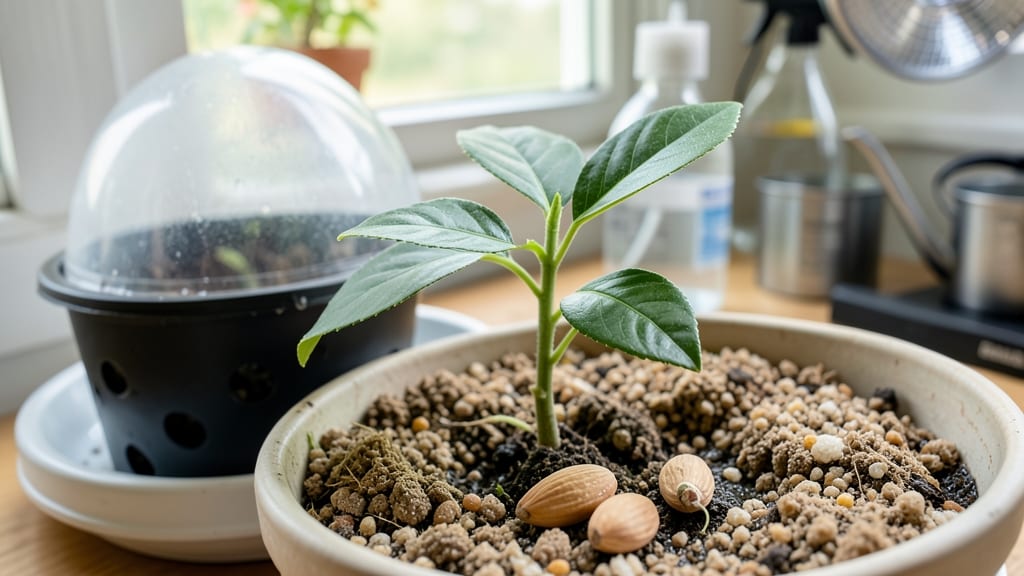
Lemon seed germination in 7 days isn’t just possible—it’s foolproof when you control the moisture just right. 💧 I’ve turned sour citrus scraps into thriving seedlings by mastering this simple technique, and you can too without fancy equipment. The secret lies in keeping that paper towel damp but never soggy, a balance that speeds up sprouting while preventing mold. All you need is a lemon, a damp paper towel, a plastic bag, and patience—no greenhouse or special soil required. Place your sealed bag in a warm spot (around 70°F), and check daily for the first sign of a tiny white root. Most seeds pop within 3-7 days, but consistency with moisture is key to avoiding the dreaded "moldy towel" disaster. Once those roots appear, transplant into well-draining soil and keep the pot in bright, indirect light. You’ll see true leaves in 2-3 weeks, signaling your seedling is ready for its forever home. The citrusy scent of fresh growth? Pure reward for a week’s worth of waiting. This method works year-round, whether you’re a city apartment gardener or have a sunny windowsill. No black thumb needed—just follow the moisture rule, and you’ll be harvesting lemons in 3-5 years (yes, it takes that long, but the journey’s worth it).
📚 In This Guide
- What you need
- Instructions
- Tips and common mistakes
- Wrapping up and next steps
What you need
- ● Lemon seeds: 3–5 fresh, plump seeds (harvested from organic or pesticide-free lemons for best results).
- ● Small containers: 2–3 shallow, clear plastic or glass containers with lids (e.g., 6–8 oz deli cups or seedling trays with drainage holes).
- ● Paper towels or coffee filters: 2–3 sheets (cut to fit container bottoms snugly).
- ● Spray bottle: 4–8 oz with a fine mist nozzle (for precise moisture control).
- ○ Plastic wrap or humidity dome: Optional but highly recommended (e.g., a clear plastic bag or a small greenhouse lid).
- ● Rubbing alcohol (70% or higher): Small bottle (for sterilizing containers).
- ● Permanent marker: To label containers (e.g., "Lemon Seeds – Day 1").
- ● Grow lights or sunny windowsill: For consistent warmth (70–75°F ideal).
- ○ Heating mat: Germination mat (optional for faster sprouting in cooler climates).
- ● Seedling potting mix: Lightweight, well-draining mix (e.g., 50% peat/50% perlite) for transplanting.
- ● Tweezers: For delicate seed placement.
- ● Notebook: To track moisture levels and sprouting progress!
Step-by-step instructions for lemon seed germination
Here's how to coax those stubborn lemon seeds into sprouting in just a week.
🌱 Step 1: Select and Prepare the Seeds
Choose plump, firm seeds from fresh lemons—they hold the best germination potential. I like to scrape off any remaining fruit pulp with a spoon, then rinse them under cool water to remove residue. This prevents mold from forming later. Let them air-dry on a paper towel for 12 hours to toughen their outer coating slightly.
Don't rush this drying step. Damp seeds left in a sealed container will rot before they sprout. You'll know they're ready when they feel dry to the touch but don't crumble when handled. This prep work ensures consistent moisture control later.
💧 Step 2: Create a Moisture-Controlled Germination Setup
Fill a shallow container with 2-3 inches of moistened sphagnum moss or a paper towel dampened with lukewarm water. The medium should feel like a wrung-out sponge—not dripping, but damp enough that it holds together when squeezed gently. Place the seeds ½ inch apart on the surface, pressing them lightly into the moss.
Cover the container with clear plastic wrap or a humidity dome to trap moisture and warmth. I like to poke a few small holes in the plastic to allow minimal airflow—this prevents fungal growth while maintaining humidity. Place the setup in a warm spot, like on top of the fridge or near a sunny window.
☀️ Step 3: Maintain Ideal Conditions for Speed Sprouting
Check the container daily to ensure the moss stays evenly moist but not soggy. Mist lightly with a spray bottle if the surface feels dry to the touch. Lemon seeds thrive at 70-80°F, so if your home runs cooler, consider placing a heating pad underneath the container (set to low).
You'll see the first signs of germination in 3-5 days as tiny white roots emerge. This is your cue to stop covering the container—remove the plastic wrap immediately to prevent damping-off. Once roots appear, transfer each seedling to its own small pot filled with well-draining potting mix.
🌿 Step 4: Transition to Soil and Light
Plant each seedling ½ inch deep in individual pots with a mix of potting soil and perlite. Water gently until the soil is moist but not waterlogged. Place the pots in bright, indirect light for 1-2 weeks to allow the seedlings to establish their first true leaves before introducing direct sunlight.
Watch for leggy growth—a sign the seedlings need more light. If stems stretch toward the window, move them within 2 inches of a grow light or a south-facing window. Strong seedlings will have thick stems and deep green leaves within 10-14 days of transplanting.
Tips & tricks for perfect lemon seed germination
Here's what nobody tells you about getting those stubborn lemon seeds to sprout reliably.
Seed Selection: Don't just grab any seeds—look for the plumpest, firmest ones from organic lemons if possible. The larger the seed, the more stored energy it has for germination. I've found that seeds from lemons stored in the fridge for up to 2 weeks actually germinate faster than those from room-temperature fruit. The cold storage seems to trigger some natural dormancy-breaking process.
The 12-Hour Drying Secret: That 12-hour drying period isn't just about preventing mold—it's about creating a microscopic barrier that regulates moisture uptake. Think of it like preparing the seed's skin for its first drink. If you're impatient and skip this, the seeds will absorb too much water too quickly in Step 2, which can lead to rot before germination. Pro tip: Place your drying seeds on a wire rack over a paper towel to ensure air circulation on all sides.
Moisture Balance is Everything: When setting up your germination container, the moss or paper towel should feel like a wrung-out sponge—it should hold together when squeezed but not drip. I've learned this the hard way after watching entire batches of seeds rot from over-saturation. For the paper towel method, fold it into a thick pad (about 4 layers) to create better moisture retention without creating anaerobic conditions that promote mold.
Temperature Troubleshooting: While 70-80°F is ideal, most home environments don't maintain consistent temperatures. If your home runs cooler, place your germination setup on top of a refrigerator (not inside) or use a small heating pad set to low. For warmer climates, move the container to a cooler spot like a basement or shaded windowsill. The key is consistency—fluctuations of more than 10°F can delay germination by days.
Pro Tips for Lemon Seed Germination
- Here's what nobody tells you about getting those stubborn lemon seeds to sprout reliably.
- Seed Selection: Don't just grab any seeds—look for the plumpest, firmest ones from organic lemons if possible.
- The 12-Hour Drying Secret: That 12-hour drying period isn't just about preventing mold—it's about creating a microscopic barrier that regulates moisture uptake.
Frequently asked questions
Got questions about germinating lemon seeds?
You’re not alone! Here are answers to the most common concerns to help you succeed in your moisture-controlled sprout journey.
How long does it take for lemon seeds to germinate?
With the right moisture and warmth (70–80°F), lemon seeds typically sprout in 7–14 days. Our speed-sprouting method leverages controlled dampness to cut that time—just keep the soil consistently moist (not soggy) and patient!
Why aren’t my lemon seeds sprouting?
Common culprits include too much water (rotting seeds), low humidity (dry soil), or old seeds (viability drops after 6 months). Try soaking seeds overnight before planting or using a humidity dome. If they’re still stubborn, test freshness by floating them—sinkers are good to go!
Can I germinate lemon seeds without soil?
Use a paper towel method: wrap damp paper towels around seeds in a sealed bag, then place in a warm spot. Check daily for sprouts (3–10 days). Once roots appear, transplant into soil. Just ensure the towel stays moist, not drenched to avoid mold.
How deep should I plant lemon seeds?
Plant seeds just ½ inch deep in well-draining soil. Deeper planting can delay germination, while shallower depths risk drying out. A lightweight potting mix with perlite works best—keep it consistently damp (like a wrung-out sponge) until sprouts emerge.
Will my lemon tree grow from store-bought seeds?
Yes! Store-bought seeds are viable, but expect sour lemons (not sweet). For sweeter fruit, graft onto a rootstock later. Start with organic seeds if you want to avoid pesticides—just rinse them before planting. Patience pays off: mature trees take 3–5 years to bear fruit!
Wrapping up and next steps
Germinating lemon seeds in just 7 days is totally doable with the right moisture control and patience! By following these simple steps—soaking, planting, and maintaining humidity—you’ll soon have tiny sprouts ready to nurture into thriving plants. 🌱
Now that you’re armed with the know-how, give it a try! Start with a few seeds, experiment with different setups, and watch your green thumb grow. Happy sprouting—your citrus adventure begins now!