
Lawn
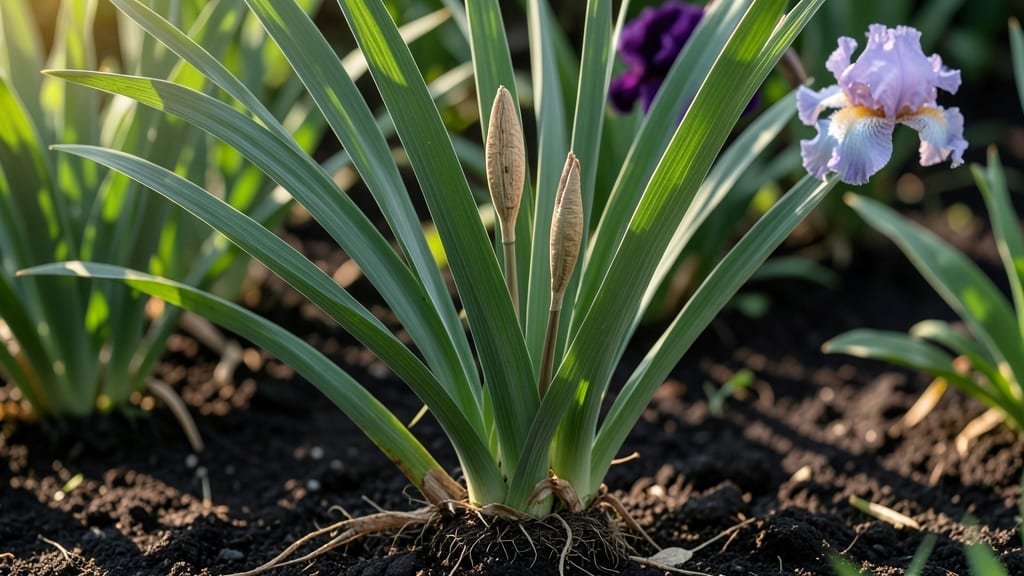
Harvesting Louisiana iris seed pods before frost gives you free plants for next year's garden. 🌿 These tall, dramatic irises produce striking seed pods that, when collected and dried properly, yield seeds capable of growing into stunning new plants—though patience is key, as germination takes time.
The pods start green and firm, turning brown and papery when mature. Collect them before they split open on their own, then dry the seeds inside completely to prevent mold. Home gardeners can absolutely grow Louisiana irises from seed, though division is often faster for established plants.
Once dried, store the seeds in a cool, dry place until spring planting. They need consistent moisture and well-draining soil to sprout, often taking 2-3 years to bloom. The wait is worth it for the bold, velvety blooms that thrive in Louisiana's heat and humidity.
For best results, plant seeds in containers first to control moisture. Avoid overwatering—they rot easily. If you prefer quicker results, divide mature plants instead, but harvesting seeds is a rewarding way to expand your garden naturally.
📚 In This Guide
- What you need
- Instructions
- Tips and common mistakes
- Wrapping up and next steps
What you need
- ● Pruning shears or sharp scissors: A pair with bypass blades (for clean cuts) or anvil blades (for thicker stems). Sterilize with rubbing alcohol before use.
- ● Paper grocery bags or breathable mesh sacks: 2–3 bags (10–12" deep) to collect pods without crushing them.
- ● Permanent markers or labels: Waterproof for labeling bags with iris variety and harvest date.
- ● Rubbing alcohol (70%+ isopropyl) and cotton swabs: 1 bottle to sterilize tools and prevent mold.
- ● Plastic tray or shallow container: 1 large tray (12"x18") for sorting pods indoors.
- ● Newspaper or paper towels: 2–3 sheets to line the tray and protect surfaces.
- ○ Glove (optional): Thin gardening gloves to protect hands from sticky seed pods or thorns.
- ● Mature Louisiana iris plants: Seed pods form on healthy, established plants (3+ years old) after flowering.
- ● Dry, warm weather: Harvest pods when they’re fully brown and papery (typically 6–8 weeks post-bloom). Avoid harvesting if rain is forecasted within 24 hours.
- ● Sunny day: Choose a dry, overcast morning to minimize moisture buildup in pods.
- ● Patience: Wait until pods are completely dry—green or pliable pods won’t yield viable seeds!
- ● Seed envelope kit: 5–10 envelopes (kraft paper or seed packets) for long-term storage.
- ● Hydrometer or seed viability kit: To test germination rates later.
- ● Camera or phone: Snap photos of pods before harvesting to document varieties.
- ● Damp paper towels: 1–2 towels for quick moisture checks if pods feel damp.
How to harvest Louisiana iris seed pods for viable seeds
Here's the method I've used for years to collect seeds from my Louisiana iris—timing is everything.
🌱 Step 1: Identify Mature Seed Pods on the Plant
Louisiana iris seed pods form after successful pollination, usually appearing in late summer. Look for pods that are 3-4 inches long and have turned from green to a pale tan or light brown color. They should feel firm when gently squeezed—soft or mushy pods won't contain viable seeds. I always check mine in mid-to-late August before the first frost warning.
Leave the pods on the plant until they've fully matured but haven't started to split open naturally. If you harvest too early, the seeds inside won't be fully developed. If you wait too long, the pods may crack open and scatter seeds on their own. The goal is to collect them just before they release seeds naturally.
☀️ Step 2: Harvest Pods at the Right Time of Day
Harvest seed pods on a dry, sunny morning when the pods are fully dry but haven't opened yet. I like to do this between 9 and 11 AM because the pods are at their firmest then. Avoid harvesting after rain or in the evening when moisture can cause the pods to split prematurely.
Use clean, sharp pruning shears to cut the pods from the stem, leaving about 1 inch of stem attached. This helps prevent the pods from splitting open during transport. Place the harvested pods in a paper bag (not plastic) to allow airflow and prevent mold. I label each bag with the date and iris variety if I'm growing multiple types.
🪴 Step 3: Dry and Store the Seed Pods Properly
Let the harvested pods dry in a cool, dry, well-ventilated area for about 1-2 weeks. I place them in a single layer on a mesh screen or in a breathable basket. Avoid direct sunlight, which can overheat the pods and cause them to crack. Check them daily to ensure no mold or pests are developing.
Once the pods are completely dry and crisp to the touch, gently squeeze them to test for readiness. If they release seeds easily, they're ready for processing. If they're still too firm, give them another week. Store the dried pods in a sealed container with a silica gel packet to absorb moisture. I keep mine in a labeled envelope in a cool, dark place until I'm ready to extract the seeds.
✂️ Step 4: Extract and Clean the Seeds
When you're ready to process the seeds, place the dried pods in a clean, dry bowl and gently crush them with your hands or a rolling pin. The seeds will fall out, but be careful not to damage them. Sift the mixture through a fine-mesh screen to separate the seeds from the chaff. Louisiana iris seeds are small and flat, about 1/8 inch long, with a dark brown or black color.
Spread the seeds on a clean, dry paper towel and let them air-dry for another 24 hours to ensure they're completely dry. Store the cleaned seeds in a sealed envelope with a moisture absorber in a cool, dark place. Properly stored, Louisiana iris seeds can remain viable for 1-2 years, though I've found they germinate best when planted fresh.
⏰ Step 5: Plant the Seeds at the Right Time
Louisiana iris seeds need cold stratification to germinate, so plant them outdoors in late fall or early winter (around October or November). Scatter the seeds on the surface of moist, well-draining soil in a sunny location. Press them lightly into the soil but don’t cover them—iris seeds need light to germinate. Water gently to keep the soil moist but not soggy.
Germination can take 6 months to 2 years, so be patient. Keep the area weed-free and water regularly during dry spells. Once seedlings appear, they’ll grow slowly at first but will eventually develop into mature plants. I’ve found that the best time to transplant young seedlings is in early spring when they’re about 2-3 inches tall.
Tips & tricks for perfect Louisiana iris seed collection
Timing and patience make all the difference when harvesting Louisiana iris seeds—here's how to avoid common pitfalls.
Timing Secret: In Step 1, the mid-to-late August window is critical because pods mature unevenly. Check your plants every 2-3 days during this period—some varieties may be ready earlier. I've learned the hard way that waiting until the first frost warning is too late for many Louisiana iris types, especially in colder climates. If you miss the window, you'll have to wait another year for viable seeds.
Harvest Technique: For Step 2, that 1-inch stem attachment isn't just about transport—it's a moisture barrier. The stem helps prevent the pods from absorbing humidity from the paper bag, which can cause premature splitting. I've found that using sterilized pruning shears (dipped in rubbing alcohol) prevents introducing fungal spores to your harvest. Also, harvest only on days when the forecast promises dry weather for the next 24 hours.
Drying Strategy: The 1-2 week drying period in Step 3 can be tricky with humidity. If you live in a damp climate, consider using a small fan on low setting to circulate air around your drying pods. I place a hygrometer near my drying area to monitor humidity levels—keeping it below 50% is ideal. If mold appears, discard those pods immediately as they won't produce viable seeds, even if they look dry on the outside.
Seed Viability Test: Before storing your cleaned seeds in Step 4, perform this quick viability check: Place 10 seeds between two damp paper towels in a sealed container. After 7 days at room temperature, count how many have sprouted. If fewer than 50% germinate, your storage conditions may need adjustment or your seeds may be past their prime. This simple test saves me from planting low-quality seeds that won't establish well.
Pro Tips for Louisiana Iris Seed Pods
- Timing and patience make all the difference when harvesting Louisiana iris seeds—here's how to avoid common pitfalls.
- Timing Secret: In Step 1, the mid-to-late August window is critical because pods mature unevenly. Check your plants e...
- Harvest Technique: For Step 2, that 1-inch stem attachment isn't just about transport—it's a moisture barrier. The st...
Frequently asked questions
Got questions about Louisiana iris seed pods? You’re not alone! Here are some of the most common queries—plus quick, actionable answers to help you make the most of your harvest before frost hits.
When is the best time to harvest Louisiana iris seed pods?
The ideal window is late summer to early fall—typically August through October—when pods turn brown and begin splitting open. Harvest them before they rupture on their own, as seeds lose viability quickly. Watch for pods that feel dry but haven’t burst yet; this is your cue to act!
What happens if frost kills the seed pods before I can harvest?
If frost strikes, your pods will shrivel or freeze solid—no viable seeds will remain. Louisiana iris seeds are sensitive to cold, so monitor weather forecasts and harvest at least 2–3 weeks before the first expected frost. If pods are still green, they’re not ready; wait for them to brown but don’t let them split open!
Can I save seeds from Louisiana iris pods for next year?
Yes! Once harvested, store seeds in a cool, dry place (like a paper envelope in the fridge) for up to 6 months. For best germination, sow them outdoors in early spring or use a seed-starting mix indoors 8–12 weeks before your last frost date. Pro tip: Label your seeds—varieties can vary!
What do I do if my Louisiana iris seed pods won’t open naturally?
If pods stay closed, they’re likely underripe. Wait another 1–2 weeks and check again. If they’re overripe (dry and cracked), seeds may have already dispersed. For stubborn pods, gently squeeze them to release seeds—but avoid damaging the plant. Alternative: Cut the pod open with sterilized scissors if needed!
Are Louisiana iris seed pods easy to grow from seed?
Not always! Louisiana iris seeds have low germination rates (often 10–30%) and take 2–3 years to bloom. For faster results, divide mature rhizomes in early spring instead. If you’re patient, sow seeds in well-draining soil with partial sun and keep them moist until sprouts appear. Patience pays off!
Wrapping up and next steps
Harvesting Louisiana iris seed pods before frost is a rewarding way to propagate these stunning perennials while preserving their unique beauty.
By following the right timing, tools, and techniques, you can ensure healthy seeds for future gardens. Now that you’re equipped with the know-how, why not give it a try? Start by monitoring your iris plants this season—early action could mean a thriving garden next year! 🌱
🌿 Next Steps:
- Mark your calendar for late summer/early fall harvests.
- Gather your supplies (pruners, paper bags, labels) before the pods mature.
- Experiment with germination—share your results in gardening forums!