
Propagation
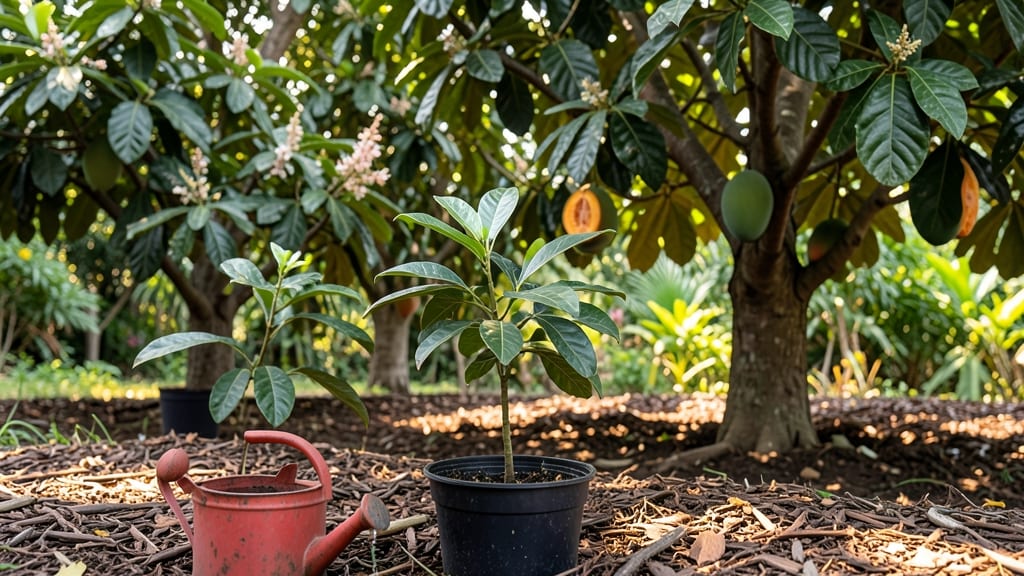
Growing a mango tree from seed to fruit is a decade-long journey that starts with a single pit and ends with tropical sunshine in your backyard. 🌱 I’ve watched my own seedling go from a 2-inch sprout to a 12-foot tree bearing its first fruit—proof that patience pays off in the most delicious way.
The first challenge is germination, which can take 6-12 weeks in warm, moist conditions. You’ll need a heat mat or sunny windowsill, a small pot with well-draining soil, and a plastic bag to trap humidity.
Once sprouted, the real work begins: transplanting into larger containers, protecting it from frost, and giving it the full sun it craves. By year 5, you’ll see rapid growth—3-6 feet annually—if you prune correctly and fertilize with citrus-specific nutrients.
The first flowers (and potential fruit) might appear around year 7-10, but don’t rush it. A well-cared-for tree can live for 50+ years, rewarding you with harvests for generations. This isn’t a quick fix, but the payoff—a homegrown mango—is worth every season of waiting.
Here’s how to set your seedling up for success from day one.
📚 In This Guide
- What you need
- Instructions
- Tips and common mistakes
- Wrapping up and next steps
What you need
- ● Mango seed: 1 fresh, viable seed (preferably from a ripe, organic mango—avoid hybrid varieties for best results).
- ● Potting soil: 5–10 lbs of well-draining, sterile potting mix (look for a blend labeled for seedlings or citrus trees).
- ● Small pots or seed trays: 2–4 containers (4–6 inches in diameter) with drainage holes.
- ● Plastic wrap or clear lid: To create a mini greenhouse effect for humidity.
- ● Spray bottle: For gentle watering (avoid over-saturation!).
- ● Fertilizer: A balanced, water-soluble fertilizer (e.g., 10-10-10) for seedlings.
- ● Pruning shears: Small, sharp pair for trimming as the tree grows.
- ● Grow lights or sunny windowsill: A sunny spot (6+ hours of light daily) or a grow light for seedlings.
- ● Seedling heat mat: To keep soil warm (70–85°F) during germination.
- ● Humidity dome: For faster germination if your climate is dry.
- ● pH testing kit: To monitor soil acidity (mangoes prefer slightly acidic soil, pH 5.5–6.5).
- ● Mulch: Organic mulch (e.g., straw or wood chips) for mature trees.
- ● Tree support stakes: For young trees in windy areas.
Step-by-step guide to growing a mango tree from seed to fruit
Here’s how to nurture a tropical mango tree from a single seed—with patience and the right conditions, you’ll eventually taste homegrown fruit.
🌱 Step 1: Prepare and Plant the Mango Pit
Start with a fresh, fleshy mango pit—avoid dried or shriveled ones. Scrub off any remaining fruit pulp to prevent mold. Place the pit in a small container with 2-3 inches of moist potting mix, pressing it just below the surface so the pointed end faces down. Mango seeds germinate best in 70-85°F conditions, so a sunny windowsill or seedling heat mat works well.
Keep the soil consistently damp but not soggy—mango pits rot easily if overwatered. Cover the container loosely with plastic wrap to retain humidity, then place it in a warm spot. You’ll see the first signs of germination in 3-6 weeks, when a small shoot emerges from the pit. This is your mango seedling’s first true growth stage, so don’t disturb it.
☀️ Step 2: Transplant and Provide Optimal Growing Conditions
Once the seedling reaches 4-6 inches tall and develops its first true leaves (not the initial seed leaves), transplant it into a 6-inch pot with well-draining potting mix. Mango trees thrive in full sun, so place it near a south-facing window or under a grow light for 12+ hours daily. If outdoors in a warm climate, transition it gradually to direct sunlight over 2-3 weeks to avoid shock.
Water the seedling when the top inch of soil feels dry, but avoid letting it sit in standing water. Mango trees are drought-tolerant once established, but young plants need consistent moisture. Fertilize lightly every 2 months with a balanced, water-soluble fertilizer to encourage steady growth. You’ll notice new leaves forming within 4-6 weeks—this signals healthy root development.
🪴 Step 3: Repot and Care for Long-Term Growth
As the seedling matures, repot it into larger containers every 1-2 years until it reaches 5 gallons or more. Mango trees grow slowly but can eventually reach 30+ feet tall indoors or outdoors in tropical climates. Prune leggy or overcrowded branches to encourage a bushier shape, and remove any dead or yellowing leaves immediately to prevent disease.
By the time your mango tree is 3-5 years old, it may produce its first flowers—but fruit development is unpredictable from seed-grown trees. Some varieties take 5-10 years to bear fruit, so be patient. If you want a faster harvest, consider grafting a known fruiting variety onto your seedling later. Keep the tree in a warm, humid environment year-round, and you’ll maximize its chances of thriving.
⏰ Step 4: Monitor for Fruit Development and Adjust Care
Once flowers appear, hand-pollinate them with a small brush to ensure fertilization, especially if you’re growing indoors. Mango trees need warmth, humidity, and cross-pollination for fruit to set properly. If flowers drop off without forming fruit, check for pests like aphids or mites, which can stress the tree. Apply neem oil or insecticidal soap if needed, and keep the soil evenly moist during flowering.
When fruit begins to form, reduce fertilizer slightly to avoid excessive leaf growth at the expense of fruit development. Harvest mangoes when they’re fully colored and slightly soft to the touch—this usually takes 3-6 months after flowering. Enjoy your homegrown tropical treasure, and consider saving seeds from the best fruit to start new trees!
Tips & tricks for growing a thriving mango tree from seed
Real talk: Growing a mango tree from seed is more about patience than technique—here’s how to give your tropical dream the best shot.
Seed Selection Matters: Not all mango pits are created equal. Choose fruit from a mature, healthy tree if possible—the seeds from grocery store mangos are fine, but they may not produce fruit as reliably. After cleaning the pit, let it dry slightly before planting to prevent fungal issues. I’ve found that pits from varieties like 'Haden' or 'Kent' often germinate more predictably than unknown supermarket seeds.
Germination Environment: The 70-85°F range isn't just a suggestion—it's critical. If your home runs cooler, place the container on a seedling heat mat or near a warm appliance (like the fridge). I learned this the hard way after waiting 8 weeks for a pit that never sprouted—turns out my basement was too cold! A clear plastic bag creates a mini greenhouse effect while keeping the soil damp without waterlogging.
Transplanting Timing: Wait for those first true leaves (not the initial seed leaves) before moving your seedling to its 6-inch pot. This usually happens around the 4-6 week mark, but don't rush it—young roots are fragile. When transplanting, handle the seedling by its leaves, not the stem, to avoid damage. I always use a small trowel to loosen the soil around the roots before transferring to minimize shock.
Light Strategy: That 12+ hours of light isn't just about photosynthesis—it's about preventing that classic "leggy" seedling look. If you're using grow lights, position them 6-12 inches above the plant and adjust as it grows. For windowsill growers, rotate the pot weekly so all sides get even light exposure. I've seen seedlings stretch toward one window side and develop weak stems—don't let that happen to yours!
Pro Tips for Mango Tree From Seed To Fruit
- Real talk: Growing a mango tree from seed is more about patience than technique—here’s how to give your tropical drea...
- Seed Selection Matters: Not all mango pits are created equal. Choose fruit from a mature, healthy tree if possible—th...
- Germination Environment: The 70-85°F range isn't just a suggestion—it's critical. If your home runs cooler, place the...
Frequently asked questions
Got questions about growing a mango tree from seed to fruit? You’re not alone! Here are some of the most common concerns—and their answers—to help you grow with confidence.
How long does it take for a mango seed to sprout?
A mango seed typically sprouts in 2–4 weeks if kept in warm, moist conditions. Place it in a seedling tray with damp soil (or a paper towel for germination) and maintain a temperature of 70–85°F (21–29°C). Patience is key—some seeds take longer, especially in cooler climates!
When will my mango tree produce fruit?
If you’re dreaming of ripe mangoes, 5–10 years is the realistic timeline! Seed-grown trees may take longer (up to 15 years) to bear fruit compared to grafted varieties. For faster results, consider grafting a fruiting branch onto your young tree—just ensure it’s at least 3–5 years old.
Can I grow a mango tree indoors?
While possible, mango trees thrive outdoors in tropical or subtropical climates. Indoors, they’ll grow slowly and may never fruit without 12+ hours of sunlight daily. If you’re in a cooler zone, opt for a large container and move it outside during warm months for best growth.
Why are my mango leaves turning yellow?
Yellowing leaves often signal overwatering, nutrient deficiency, or pests. Check the soil—it should be lightly moist but not soggy. Test for iron or nitrogen deficiency (common in alkaline soils) and treat with a balanced fertilizer. Inspect for aphids or mites; a mild soap spray can help if pests are present.
Will a mango tree grown from seed taste the same as store-bought mangoes?
Probably not! Seedlings often produce smaller, less sweet fruit with unpredictable flavors. For consistent, high-quality mangoes, grafting (attaching a fruiting branch) is the way to go. If you love variety, save seeds from your favorite mangoes—but expect a gamble on taste!
Wrapping up and next steps
Growing a mango tree from seed to fruit is a rewarding journey that blends patience, care, and a touch of tropical magic! 🌱✨ From selecting the perfect seed to nurturing your sapling through every stage—grafting, pruning, and protecting it from pests—you’ve now unlocked the secrets to a thriving mango tree.
With dedication, your efforts will soon be rewarded with juicy, sun-ripened fruit straight from your backyard.
Ready to take the next step? Start small:
- Plant a second seedling to experiment with different varieties.
- Join local gardening groups to swap tips and share your progress.
- Document your tree’s growth—it’s a fun way to track success!