
Propagation
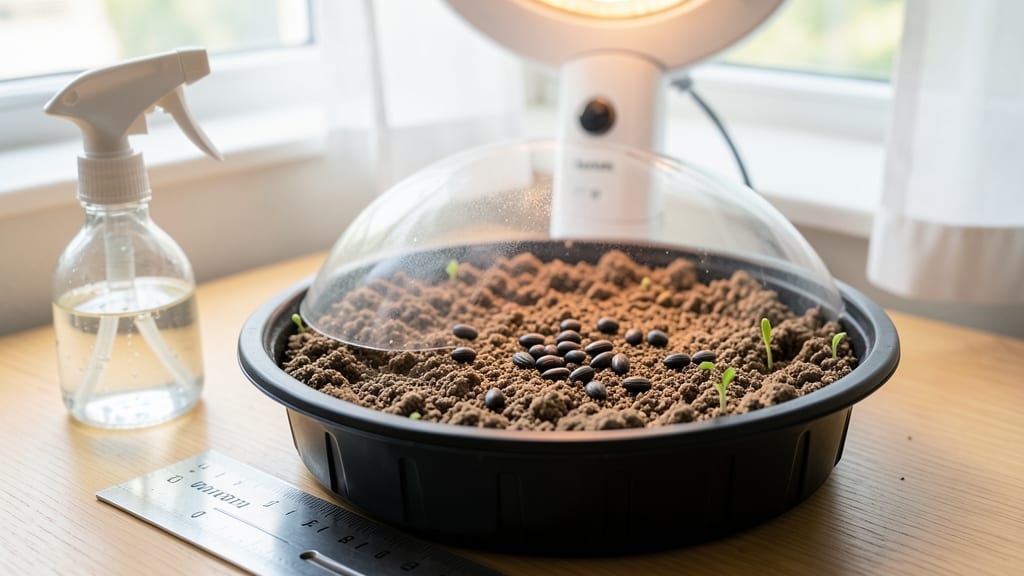
Marigold seeds sprout faster when you pre-soak them overnight—cutting that waiting time by half. 🌱 I learned this trick after struggling with slow germination, and now my seedlings pop up in 7-10 days instead of weeks. The secret isn’t complicated: just warm water, a damp paper towel, and patience.
You’ll need a shallow tray, seed-starting mix, and a spray bottle for gentle watering. Keep the soil warm (around 75°F) and moist but never soggy—marigolds hate dampness. A clear plastic dome or plastic wrap helps trap humidity without drowning the seeds.
Once sprouted, thin seedlings to 12 inches apart for strong stems and vibrant blooms. The first true leaves appear within 10-14 days, and you’ll see those signature orange and gold flowers by mid-summer if you keep conditions steady.
This method works for all marigold varieties, from French to African types. Even my black thumb can’t mess this up—just follow the moisture and warmth cues, and you’ll have a bloom-filled season ahead.
📚 In This Guide
- What you need
- Instructions
- Tips and common mistakes
- Wrapping up and next steps
What you need
- ● Marigold seeds: 10–20 seeds (choose heirloom or hybrid varieties like French or African marigolds for best results).
- ● Seed-starting mix: 1–2 cups of sterile, well-draining potting soil (avoid garden soil—it’s too dense!).
- ● Containers: 2–4 small pots (3–4 inches deep) or
- ● A seed tray with individual cells (for organized sprouting!).
- ● Watering can or spray bottle: A gentle misting tool prevents seed displacement.
- ○ Clear plastic dome or plastic wrap: Creates a mini greenhouse (optional but highly recommended for humidity!).
- ○ Gloves (optional): Protects hands from soil and seed residue.
- ● Plant labels: Mark varieties if testing multiple types.
- ● Grow lights or sunny windowsill: 6–8 hours of warmth (70–75°F) is ideal.
- ○ Fertilizer (optional): A balanced 10-10-10 or seaweed-based solution post-germination (once seedlings have 2 true leaves).
Step-by-step instructions for marigold seed germination
Here's how to coax marigold seeds into sprouting within 5-7 days—no waiting months for stubborn germination.
🌱 Step 1: Pre-Treat Seeds for Faster Germination
Marigold seeds have a hard outer coating that slows sprouting. To speed things up, soak them overnight in lukewarm water for 12 hours—this softens the shell and kickstarts hydration. I use a small bowl and cover the seeds with a damp paper towel to keep them moist while they soak.
After soaking, gently squeeze the seeds between your fingers to test softness. They should feel slightly pliable but not mushy. This pre-treatment cuts germination time nearly in half. If you forget to soak, don't worry—just plant them dry, but expect 10-14 days instead of 5-7.
💧 Step 2: Prepare Warm, Moist Growing Medium
Fill small seed trays or individual pots with a lightweight seed-starting mix—avoid garden soil, which compacts and suffocates tiny roots. Moisten the mix until it feels like a damp sponge, then press it gently to create a firm, even surface. The goal is moisture without sogginess.
Place the trays in a warm spot, ideally 75-80°F. A seedling heat mat works wonders here, but even a sunny windowsill above a radiator can provide enough warmth. Warmth is critical—marigold seeds won’t sprout below 65°F, and cool soil is the #1 reason for slow germination.
☀️ Step 3: Plant Seeds and Maintain Humidity
Sow the pre-treated seeds ¼ inch deep, spacing them ½ inch apart in rows. Lightly cover them with the same moist mix, then mist the surface with water until it’s evenly damp. Cover the tray with clear plastic wrap or a humidity dome to trap warmth and moisture—this mimics the tropical conditions marigolds love.
Check daily for condensation on the plastic. If it’s foggy inside, you’ve got perfect humidity. If it’s dry, mist again and reseal. Seeds need consistent moisture to germinate; let the soil dry out even slightly, and they’ll stall. You’ll see tiny sprouts in 3-5 days—watch for the first green tips pushing through the soil.
⏰ Step 4: Provide Light and Thin Seedlings
As soon as you see sprouts, remove the plastic cover immediately to prevent damping-off—a fungal disease that collapses seedlings overnight. Move the tray to a bright spot with 6-8 hours of indirect light daily. A grow light 2-3 inches above the seedlings works best if natural light is weak.
When seedlings develop their first true leaves (the second set after the initial cotyledons), thin them to 2 inches apart by snipping the weakest ones at soil level with clean scissors. This prevents overcrowding and gives remaining plants room to grow. You’ll have strong, stocky seedlings ready for transplanting in 3-4 weeks.
Tips & tricks for speed-sprouting marigold seeds
Confession: I spent years watching marigold seeds take forever to sprout—until I cracked these game-changing tricks. Here's how to cut that waiting time from weeks to days.
Soak Test: After your 12-hour soak in lukewarm water, test seed readiness by gently pressing between your fingers. They should feel slightly pliable but not mushy—this indicates the hard outer coating has softened enough for faster germination. If they feel firm, extend the soak by another hour. The goal is to break that tough shell without over-hydrating.
Heat Hack: Maintain that 75-80°F range consistently during germination. I place my seed trays on top of my refrigerator (which stays warm) for reliable heat without needing a heat mat. If your home runs cooler, consider a small portable heater set to low—just keep it 6 inches away from the trays to avoid overheating. Remember, below 65°F and germination stalls completely.
Humidity Watch: That plastic wrap isn't just for moisture—it creates a mini greenhouse effect. Check daily for condensation on the inside: if it's foggy, you've got perfect humidity. If you see dry spots, mist the soil and reseal immediately. Pro tip: Use a spray bottle with a fine mist setting to avoid disturbing the soil surface when checking moisture levels.
Light Transition: When you remove the plastic cover after sprouting appears, gradually introduce light over 24 hours. Start with just 2 hours of indirect light daily, then increase by 1 hour each day until reaching the full 6-8 hours. This slow transition prevents shock to delicate seedlings that have spent days in darkness under the plastic.
Pro Tips for Marigold Seed Germination
- Confession: I spent years watching marigold seeds take forever to sprout—until I cracked these game-changing tricks. ...
- Soak Test: After your 12-hour soak in lukewarm water, test seed readiness by gently pressing between your fingers. Th...
- Heat Hack: Maintain that 75-80°F range consistently during germination. I place my seed trays on top of my refrigerat...
Frequently asked questions
Got questions about getting your marigold seeds sprouting like a pro? Here are the answers to the most common queries—so you can skip the guesswork and dive straight into vibrant blooms!
How long does it take for marigold seeds to germinate?
Most marigold seeds sprout within 5–14 days under ideal conditions (warm soil, 70–80°F, and consistent moisture). French marigolds (like 'Bonanza') often germinate faster (5–7 days), while African marigolds (e.g., 'Crackerjack') may take up to 2 weeks. Patience is key—don’t overwater or disturb the soil while waiting!
Can I speed up marigold seed germination?
Try these pro tips:
- Soak seeds in warm water for 4–6 hours before planting to kickstart hydration.
- Use a heat mat (set to 75–80°F) to mimic tropical soil conditions.
- Cover seeds with clear plastic wrap to trap moisture and warmth (remove once sprouts appear).
- Plant in well-draining, warm soil (direct-sow after last frost or start indoors 4–6 weeks early).
What if my marigold seeds aren’t sprouting?
Don’t panic! First, check these common culprits:
- Cold soil: Marigolds need warmth to germinate. If outdoors, wait until soil temps reach at least 60°F.
- Poor moisture: Keep soil consistently damp (not waterlogged). A spray bottle helps avoid disturbing seeds.
- Old or low-quality seeds: Test viability by soaking seeds in water—floaters are likely dead. Store seeds in a cool, dry place if saving for next year.
- Depth issues: Plant seeds ¼ inch deep; deeper planting can suffocate them.
Can I grow marigolds from store-bought flowers?
Technically yes, but it’s hit-or-miss! Store-bought marigolds are often hybrids, and their seeds may not produce true-to-type blooms. If you’re curious, let a flower head dry completely, then collect and store the seeds in a paper envelope. Pro tip: Label them—some varieties (like 'Tangerine Gem') self-seed reliably, while others may disappoint.
Do marigolds need light to germinate?
Nope! Marigold seeds don’t require light to sprout—they’re photoblastic-neutral. Focus on keeping them in warm, dark, moist conditions until you see tiny sprouts (about ½ inch tall). Once they emerge, move them to a bright, sunny spot (6+ hours of light daily) to prevent leggy seedlings.
What’s the best time to plant marigold seeds?
Timing depends on your climate:
- Start indoors: 4–6 weeks before your last frost date (use seed trays with drainage).
- Direct-sow outdoors: Wait until soil is warm (60°F+) and after the last frost risk (typically late spring in most zones).
- Fall planting: In warm climates (zones 8–10), sow seeds 8–10 weeks before first frost for winter blooms.
Wrapping up and next steps
Mastering marigold seed germination unlocks a world of vibrant blooms and thriving gardens—no green thumb required! 🌱 With the right soil, warmth, and patience, you’ve got everything you need to coax those seeds into lively sprouts.
Now that you’re armed with speed-sprouting secrets, it’s time to roll up your sleeves and plant with confidence.
Your next step? Start small—try a few seeds in pots or a sunny windowsill to perfect your technique. Once you’ve nailed the basics, expand your marigold family to borders, containers, or even companion-planted veggie patches. Happy growing—your future garden (and pollinators!) will thank you. 🌻✨