
Lawn
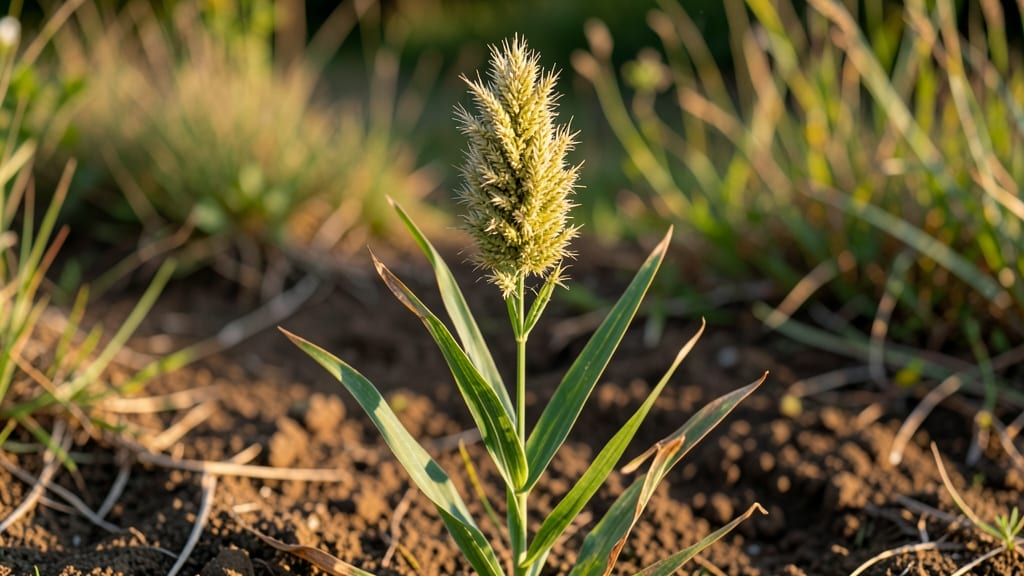
Growing millet seed heads turns your yard into a textured, drought-proof masterpiece. 🌾 These feathery plumes thrive where grass struggles, offering both beauty and sustainability—once you know the right timing and care.
I’ve watched mine sway in summer heat while neighbors’ lawns browned, and the secret isn’t complicated: millet loves neglect almost as much as it loves sun.
The magic happens in three stages: planting, watching the seed heads emerge, and letting nature take over. Start with seeds in well-drained soil, give them space to spread, and forget about frequent watering.
Within 60-90 days, those iconic plumes will rise, turning your lawn into a wildlife magnet and a conversation starter. The best part? They self-seed, so each year gets easier.
By late summer, you’ll have a lawn that requires less water, fewer chemicals, and zero mowing—just rustling seed heads in the breeze. Use them as borders, meadow accents, or even edible grain (yes, some varieties are safe to eat!).
The only challenge? Resisting the urge to trim them before they’ve finished their show.
Perfect for sunny spots, dry climates, or any yard tired of high-maintenance grass. Here’s how to grow millet that thrives with almost no effort—and looks stunning while doing it.
📚 In This Guide
- What you need
- Instructions
- Tips and common mistakes
- Wrapping up and next steps
What you need
- ● Millet seeds: Choose Pennisetum glaucum (pearl millet) or Setaria spp. (foxtail millet) for ornamental seed heads. Buy 1–2 lbs (450–900g) per 100 sq ft for full coverage.
- ● Well-draining soil: Mix equal parts garden soil, sand, and compost (1 part each) for optimal growth.
- ● Watering can or hose: A 1-gallon (3.8L) capacity with a fine rose nozzle for gentle watering.
- ● Garden gloves: A pair to protect your hands from soil and sharp seed heads.
- ● Garden rake: A 8–10-inch (20–25cm) metal rake for leveling soil.
- ● Hand trowel: For planting seeds at ¼-inch (0.6cm) depth.
- ● Measuring tape: To mark planting areas accurately.
- ○ Optional: Mulch (straw or pine needles): Helps retain moisture (1–2 inches (2.5–5cm) thick).
- ● A sunny location with 6+ hours of direct sunlight daily.
- ● Drought-tolerant zone: Millet thrives in USDA Zones 5–11.
- ● Low-traffic area: Seed heads are delicate; avoid high-footfall spots.
- ● Patience: Germination takes 7–14 days in warm soil (70°F/21°C+).
Step-by-step instructions for growing millet seed heads
Here’s how to cultivate millet’s striking seed heads with minimal fuss—ideal for dry climates and low-maintenance spaces.
🌱 Step 1: Choose the Right Variety and Planting Location
Millet thrives in full sun and well-draining soil, making it perfect for drought-prone areas. I recommend foxtail millet or giant millet for their dramatic seed heads. Pick a spot with at least 6 hours of direct sunlight daily—partial shade will result in leggy stems and fewer seed clusters.
Test your soil’s drainage by digging a 6-inch hole and filling it with water. If it drains within 30 minutes, your soil is suitable. Amend heavy clay with sand or compost to improve aeration. Millet tolerates poor soil but grows best in slightly acidic to neutral pH (6.0-7.5).
🌱 Step 2: Plant Seeds at the Correct Depth and Spacing
Sow seeds ½ inch deep in early spring, after the last frost, or in late summer for fall blooms. Space seeds 12-18 inches apart in rows 18 inches apart—this gives seed heads room to develop without overcrowding. I like to plant in small groups of 4-5 seeds to create natural clusters, which enhances the ornamental effect.
Water lightly after planting to settle the soil, but avoid oversaturating. Millet seeds need consistent moisture for germination, so keep the soil evenly damp for the first 2 weeks. Once sprouts appear, reduce watering—millet is drought-tolerant once established.
☀️ Step 3: Provide Minimal Care for Lush Growth
Millet grows quickly, reaching 3-6 feet tall depending on the variety. Focus on watering only during dry spells—deep watering once a week is usually enough. Overwatering leads to weak stems and fewer seed heads. You’ll know your plants are thriving when they develop long, slender leaves and sturdy stems by mid-summer.
Fertilize lightly with a balanced 10-10-10 fertilizer at planting time, but skip additional feedings. Millet is a hardy grass that doesn’t need extra nutrients. If you notice yellowing leaves, it’s likely due to overwatering or poor drainage—adjust your care immediately.
⏰ Step 4: Harvest Seed Heads at Peak Maturity
Seed heads mature 8-12 weeks after planting, depending on the variety. Harvest when the seed clusters turn golden-brown and feel dry to the touch. Use clean pruners to cut stems 2-3 inches below the seed head—this prevents damage to the plant and ensures a longer vase life if you’re using them decoratively.
Bundle harvested seed heads and hang them upside down in a well-ventilated, dry area for 1-2 weeks to fully dry. Shake occasionally to release excess seeds. Once completely dry, store seed heads in a paper bag to preserve their texture and color for months.
🌿 Step 5: Maintain or Remove Plants After Blooming
If you’re growing millet for its ornamental value, you can leave the plants in place until they turn brown and brittle. Cut back stems to 2 inches above ground level in early spring to encourage new growth. Millet reseeds easily, so you’ll likely see volunteers popping up in future seasons—just thin them as needed.
For a cleaner look, remove spent plants entirely after harvesting. The roots won’t spread aggressively, so pulling them up is simple. Add the remaining plant matter to your compost pile—it breaks down quickly and enriches the soil for next year’s millet.
Tips & tricks for perfect millet seed head growth
Took me a while to figure these out, so here's what actually makes a difference with millet.
Sunlight Strategy: I can't stress this enough—millet absolutely thrives on that 6 hours of direct sunlight minimum. If your garden gets afternoon shade, consider planting in a raised bed where the soil warms faster. I've seen millet grow twice as tall in full sun versus partial shade. The key is to mimic its natural habitat in dry, sunny regions where it evolved.
Drainage Detective Work: That 30-minute drainage test is your best friend. If water pools in your hole, you've got two options: either raise your planting area with compost or create mounds. I've had millet roots rot out before I learned this trick—don't make my mistake! The goal is to replicate the sandy, well-draining soils millet prefers in the wild.
Timing Secret: The 8-12 week maturity window gives you flexibility, but here's what I've learned: plant your first batch in early spring (after frost) and a second batch 4-6 weeks later. This staggered approach ensures you have fresh seed heads throughout summer and fall. The second batch often produces even more dramatic seed heads because they get the benefit of summer's longer days.
Harvest Hack: When checking for maturity, I look for three things: golden-brown color, dry seed clusters that crumble slightly when touched, and stems that feel hollow when tapped. The 2-3 inch cut below the seed head is crucial—it prevents the stem from breaking off when you're arranging them later. Pro tip: harvest on a dry morning after the dew has evaporated for cleaner cuts.
Pro Tips for Millet Seed Head
- Took me a while to figure these out, so here's what actually makes a difference with millet.
- Sunlight Strategy: I can't stress this enough—millet absolutely thrives on that 6 hours of direct sunlight minimum. I...
- Drainage Detective Work: That 30-minute drainage test is your best friend. If water pools in your hole, you've got tw...
Frequently asked questions
When is the best time to plant millet seed heads for a lawn?
For optimal growth, plant millet seed heads in early spring (after the last frost) or late summer (6-8 weeks before the first frost). This timing ensures they establish roots before extreme heat or cold sets in. If you're in a warm climate, fall planting can also work well.
How much water do millet seed heads really need?
One of their biggest perks is low water needs! Once established, millet thrives on 1 inch of water per week (rain or irrigation). During droughts, they can survive on half that amount. Avoid overwatering—soggy soil invites pests and weakens roots.
How long does it take for millet seed heads to mature?
Most millet varieties mature in 60–120 days, depending on the type (e.g., foxtail millet matures faster than pearl millet). Seed heads typically form 2–3 months after planting. If you’re growing for grain, harvest when the seed heads turn brown and dry but before they shatter.
Can I mix millet seed heads with other grasses for a lawn?
Millet blends beautifully with buffalo grass, fescue, or even clover for a low-maintenance, drought-tolerant lawn. Just ensure all seeds have similar light and water needs. Avoid mixing with high-water grasses like Kentucky bluegrass—millet won’t compete well.
What do I do if bugs or birds eat my millet seed heads before they mature?
Use bird netting over young plants to deter birds, and neem oil spray for pests like aphids or grasshoppers. Millet is generally pest-resistant, but early protection ensures a better yield. If seed heads are already damaged, focus on harvesting what’s left and replanting next season.
Can I reuse millet seed heads for planting next year?
Yes! Let seed heads dry completely, then store them in a cool, dry place (like a paper bag) for up to a year. Before replanting, stratify them (mix with damp sand and refrigerate for 2 weeks) to boost germination. Fresh seeds, however, always yield the best results.
Wrapping up and next steps
Growing a millet seed head isn’t just about adding beauty to your lawn—it’s about embracing a low-maintenance, drought-resistant solution that thrives with minimal effort. Whether you’re a beginner or a seasoned gardener, millet’s hardy nature and striking appearance make it a fantastic choice for sustainable landscaping. 🌱
Ready to transform your outdoor space? Start by selecting the right variety, preparing your soil, and planting with confidence. Your drought-proof lawn is just a seed away! 🌿