
Flowers
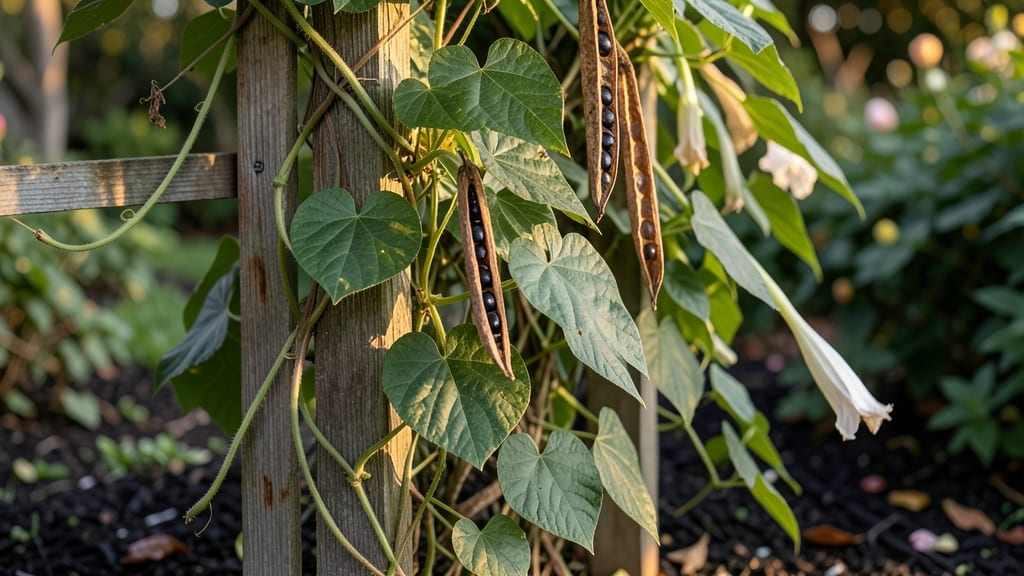
Moon flower seed pods hold the secret to fast, reliable blooms that light up summer nights—if you know how to handle them right. 🌙 I’ve struggled with these delicate pods before, watching seeds rot in damp soil or sprout too late for the season, but I’ve cracked the code to consistent germination.
The key starts with spotting mature pods—those plump, papery cases that turn from green to tan when ripe. Harvest them carefully (they’re fragile!), then crack them open to reveal flat, dark seeds. Unlike many flowers, moonflower seeds don’t need stratification; they’ll sprout quickly if you mimic their natural moisture-loving habits.
You’ll see tiny sprouts within 7-14 days when planted just below the soil surface in warm, moist conditions. The trick is keeping them consistently damp without drowning them—too much water triggers rot, while too little stalls growth. A clear plastic dome or humidity tray helps maintain that perfect balance.
Once seedlings hit 2-3 inches, they’re tough enough to transplant outdoors after the last frost. The payoff? Moonflowers that climb, bloom, and fill your garden with intoxicating nighttime fragrance by midsummer. Here’s exactly how to make it work every time.
📚 In This Guide
- What you need
- Instructions
- Tips and common mistakes
- Wrapping up and next steps
What you need
- ● Moon flower seeds: Purchase high-quality Ipomoea alba (moonflower) seeds—aim for 5–10 seeds for a small garden or 20+ seeds for a fuller display.
- ● Seed-starting mix: A lightweight, well-draining potting soil blend (e.g., 50% peat moss + 50% perlite or a pre-mixed seed-starting mix). You’ll need about 1–2 gallons depending on your container size.
- ● Containers: Small pots (3–4 inches deep) or a seed tray with drainage holes. 1–2 containers per seed is ideal for easy monitoring.
- ● Watering can or spray bottle: A gentle spray works best to avoid disturbing seeds.
- ● Plastic wrap or humidity dome: Keeps moisture locked in during germination (1–2 sheets or a clear lid for trays).
- ○ Gloves (optional): Protects hands from soil and seeds.
- ● Plant labels: Mark seeds with their planting date (e.g., wooden sticks or plant tags).
- ○ Heat mat (optional): Speeds up germination if your home is cool (70–75°F is ideal).
- ○ Grow lights (optional): Provides 12–14 hours of light/day for seedlings if natural light is limited.
- ● Warmth: Moonflower seeds thrive in 70–85°F soil temps. Use a sunny windowsill or grow light.
- ● Patience: Germination takes 7–21 days—consistency is key!
- ● Outdoor space (later stage): Transplant seedlings outdoors after the last frost when soil is at least 60°F.
Step-by-Step instructions for growing moon flowers from seed pods
Here's how I get these night-blooming beauties thriving reliably every season.
🌱 Step 1: Prepare Seed Pods for Faster Germination
Moon flowers (Ipomoea alba) have tough seed coats that slow germination. I soak the seed pods in warm water for 12-24 hours to soften them—this mimics natural rain exposure and speeds up sprouting. Place them in a shallow dish of water and change it every 8 hours to prevent mold.
After soaking, gently rub the pods between your fingers to break the outer shell slightly. This tiny abrasion helps water penetrate faster. You'll know they're ready when the outer coating looks slightly wrinkled and the inner seed is visible through the thinnest spots.
💧 Step 2: Sow Seeds in Warm, Moist Soil
Fill small pots with well-draining seed-starting mix (never garden soil—it's too dense). I use 2-3 inch deep containers since moon flower roots are delicate. Moisten the soil until it's damp but not soggy—you should see moisture beads form on the surface but no puddles.
Plant 1-2 seeds per pot at a depth of ¼ inch, pressing lightly to ensure good soil contact. Cover with a thin layer of additional mix and mist gently with water. The seeds need consistent moisture to germinate, so I place the pots in a plastic bag until sprouts appear—this creates a mini greenhouse effect.
☀️ Step 3: Provide Warmth and Indirect Light
Moon flower seeds germinate best in 75-85°F soil. I place the pots on a seedling heat mat or near a warm spot in my kitchen. Germination typically takes 7-14 days, but don't be surprised if it takes longer—some seeds are stubborn about breaking dormancy.
Once sprouts appear, move them to bright, indirect light immediately. A south-facing window works, but avoid direct sun until seedlings have 2-3 true leaves. You'll see leggy growth if they stretch toward light—this means they need more intensity or a grow light placed 4-6 inches above the plants.
🌿 Step 4: Transplant After True Leaves Form
When seedlings show their first true leaves (not the initial seed leaves), they're ready to move to slightly larger containers. I use 4-inch pots for stronger root development before outdoor planting. Handle them gently—moon flowers have fragile stems that snap easily.
Transplant on a cloudy day or in late afternoon to reduce stress. Water deeply after planting to settle the soil around the roots. By this stage, your seedlings should be 3-4 inches tall with sturdy stems—this means they're ready for their final growing location.
⏰ Step 5: Harden Off and Plant Outdoors
Two weeks before your last frost date, start hardening off the seedlings. Place them outside in a sheltered spot for 1-2 hours the first day, gradually increasing time over 7-10 days. Moon flowers love warmth and need full sun to bloom reliably.
Plant in well-draining soil with support structures (like trellises) ready—these vines grow 8-10 feet tall! Water deeply after planting and mulch to retain moisture. You'll see rapid growth once established, and those signature white blooms will appear 60-90 days after transplanting.
Tips & tricks for perfect moon flower germination
These little tricks will help you skip the waiting game and get those ethereal blooms thriving faster than ever.
Soaking Strategy: For the 12-24 hour soak in Step 1, use distilled water instead of tap water if possible—tap water's minerals can irritate the delicate seed pods. I like to place my dish of pods in a warm spot like near the fridge or on top of my microwave (when it's off). The consistent warmth helps maintain that perfect 75-85°F range we want for faster germination. Change the water every 8 hours religiously—this prevents mold from forming while keeping the pods hydrated.
Seedling Support: In Step 3, when you're watching for those 2-3 true leaves, consider adding a small bamboo stake to each pot right after transplanting in Step 4. This gives the fragile stems something to cling to as they grow, preventing them from bending under their own weight. I tie them loosely with a bit of twine—just enough to guide them without restricting growth. This becomes especially helpful once they're outdoors and the vines start their rapid climb.
Lighting Hack: If you don't have a south-facing window, a simple LED grow light on a timer works wonders. Set it for 12-14 hours per day during the 7-14 day germination period—this mimics natural daylight and prevents those leggy seedlings we want to avoid. I place mine about 6 inches above the pots and adjust as the seedlings grow. The light should be bright enough that you can read a book comfortably underneath it.
Outdoor Prep: Before you even plant outdoors in Step 5, mark your trellis locations with stakes. Moon flowers grow 8-10 feet tall and need strong support from day one. I use bamboo stakes with twine and create a simple grid pattern—this gives the vines multiple points to attach as they grow. The more support you provide early, the less stress on those delicate stems when they start their rapid ascent.
Pro Tips for Moon Flowers Seed Pods
- These little tricks will help you skip the waiting game and get those ethereal blooms thriving faster than ever.
- Soaking Strategy: For the 12-24 hour soak in Step 1, use distilled water instead of tap water if possible—tap water's minerals can irritate the delicate seed pods.
- Seedling Support: In Step 3, when you're watching for those 2-3 true leaves, consider adding a small bamboo stake to each pot right after transplanting in Step 4.
Frequently asked questions
Got questions about growing moon flower seed pods? You’re not alone! Here are answers to the most common ones—so you can get those dreamy blooms without the guesswork.
How long do moon flower seed pods take to germinate?
Moon flower seeds typically sprout in 7–14 days when planted in warm soil (70–85°F). Keep the soil consistently moist but not soggy, and place the pot in a sunny spot. If germination takes longer than 3 weeks, try soaking seeds overnight in warm water before replanting.
Can I plant moon flower seed pods directly in the ground?
Yes! These seeds thrive in direct outdoor planting after the last frost when soil is warm. Scatter them lightly on top of loose, well-draining soil (they don’t need deep burial) and water gently. Just avoid heavy clay soil—they prefer sandy or loamy mixes for faster sprouting.
What’s the best way to harvest moon flower seed pods?
Harvest pods when they’re dry and papery (usually late summer/fall). Gently twist or cut them off the vine, then let them air-dry in a paper bag for 1–2 weeks. Store seeds in a cool, dry place—viability lasts 1–2 years. Pro tip: Wear gloves if you’re sensitive to plant fibers!
Are moon flowers annuals or perennials?
Moon flowers (Ipomoea alba) are tender perennials but often grown as annuals in cooler climates (USDA zones 9–11). In mild winters, they may reseed themselves. If you want repeat blooms, save seeds or replant fresh pods each spring—they’re fast-growing and low-maintenance!
Why aren’t my moon flower seeds sprouting?
Check these common issues:
- Cold soil: Wait until nighttime temps stay above 50°F.
- Too deep: Seeds need light—plant just 1/4 inch deep.
- Dampness: Overwatering can rot seeds; keep soil moist, not wet.
- Old seeds: Test viability by soaking a few in water—if they sink, they’re likely good.
Wrapping up and next steps
Growing moon flower seed pods is a rewarding journey that brings beauty and joy to any garden! With the right preparation—like selecting fresh seeds, understanding soil needs, and mastering patience—you’ll soon be greeted with stunning, fragrant blooms.
Whether you’re a seasoned gardener or just starting, these tips make success simple and reliable.
Ready to dive in? Start by gathering your supplies this weekend and plant those seed pods today—your future moonlit garden awaits! 🌙✨