
Planting
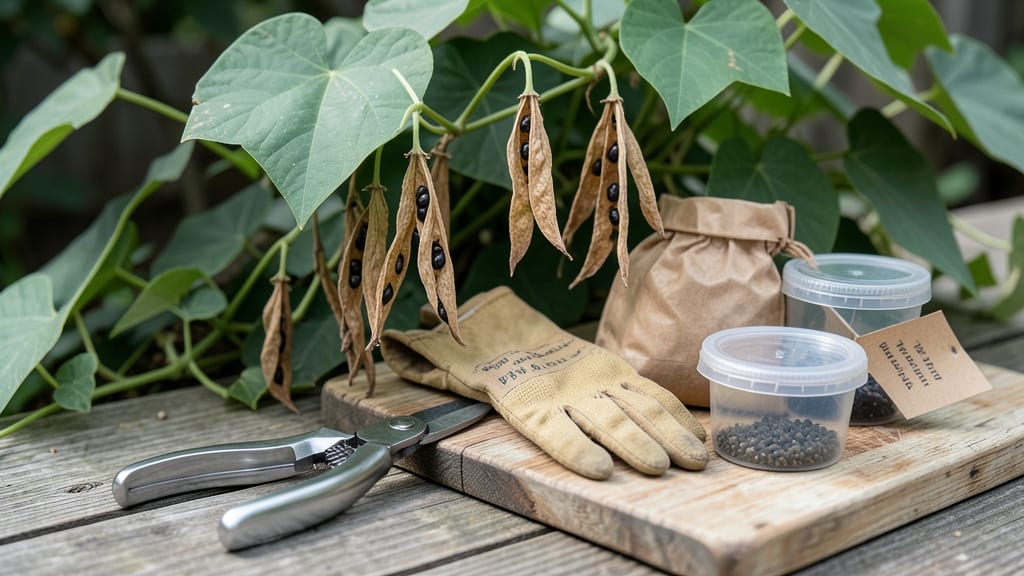
Growing Moon Plant (Selenicereus grandiflorus) from seed pods means waiting for those dreamy night-blooming flowers—but only if you start right. 🌙 The first step is collecting ripe pods and extracting seeds carefully; one wrong move and you’ll waste months of patience.
I’ve learned that timing and technique make all the difference between thriving seedlings and moldy disappointment.
The real magic happens in germination, where soil or water methods each have their own quirks. Moon Plant seeds need warmth (around 75-80°F) and humidity to break dormancy, and even then, sprouts can take 2-4 weeks—or longer.
I’ve seen stubborn seeds refuse to budge until conditions were just right, so don’t rush the process. Patience here pays off in lush, fast-growing seedlings.
Once those first tiny leaves appear, you’ll need bright, indirect light and a light touch with water—overwatering is the #1 killer of young Moon Plants. Within 3-6 months, you’ll have sturdy stems ready for pruning and training.
The payoff? A plant that rewards your care with stunning nocturnal blooms years down the road.
This method works for any Selenicereus variety, but slower growers (like grandiflorus) need extra attention. Whether you’re a first-timer or a seasoned succulent grower, these steps will help you avoid the pitfalls I’ve faced—and get those seedlings off to the best start possible.
📚 In This Guide
- What you need
- Instructions
- Tips and common mistakes
- Wrapping up and next steps
What you need
- ● Moon plant seed pods: 5–10 pods (depending on desired quantity; opt for organic or heirloom varieties for best results).
- ● Biodegradable seed-starting pots or trays: 2–4 (3–4 inches deep) with drainage holes. Pro tip: 💡 Use peat or coconut coir pots for easy transplanting!
- ● High-quality potting mix: 2–3 quarts of a well-draining, seed-starting blend (avoid garden soil—it’s too dense!).
- ● Spray bottle (8–16 oz): For gentle watering to keep seeds moist without over-saturating.
- ○ Clear plastic dome or plastic wrap: To create a humidity tent (optional but highly recommended for faster germination).
- ● Small hand trowel or spoon: For planting pods without damaging them.
- ● Grow lights or sunny windowsill: Moon plants thrive in bright, indirect light (12–14 hours/day).
- ○ Thermometer (optional): Ideal germination temps: 70–75°F (21–24°C).
- ● Fertilizer (balanced, water-soluble, 5–10–5 NPK): Diluted to half-strength for seedlings (use after 2–3 weeks).
- ● Patience! Moon plant pods can take 10–21 days to sprout, depending on the variety.
- ● A warm, humid environment (or a way to replicate it, like a greenhouse or kitchen counter).
- ● Consistency in watering—never let the soil dry out during germination!
Germinating moon plant seed pods: step-by-step for variety-specific success
Here's how I ensure each of my moon plant varieties—from delicate Selenicereus to hardy Epiphyllum—sprouts reliably.
🌱 Step 1: Prep Seed Pods for Variety-Specific Needs
Moon plants vary wildly in germination requirements. For Selenicereus varieties, I nick the seed pod with a sterilized scalpel to break dormancy—never cut too deep, just enough to expose the inner flesh. Epiphyllum pods, however, need no pre-treatment; their thick outer layer softens naturally over 2-3 weeks in warm, humid conditions.
Place each pod in a small container with 1 inch of lukewarm water (never hot). Soak Selenicereus pods for 12 hours and Epiphyllum pods for 24 hours. You'll know they're ready when the outer shell begins to split slightly—this signals the seed's protective layer is softening. Drain excess water immediately after soaking to prevent rot.
💧 Step 2: Sow in Sterile, Variety-Tailored Media
Moon plant seeds despise dense soil. For Selenicereus, I use a 50/50 mix of perlite and coconut coir, while Epiphyllum thrives in pure perlite for its larger seeds. Fill a shallow tray or small pots with the mix, then moisten lightly until it feels like a damp sponge—squeeze to test, but no water should drip through.
Sow seeds 1/8 inch deep for Selenicereus and 1/4 inch deep for Epiphyllum. I use a toothpick to create tiny holes, then drop seeds in one at a time. Space them 2 inches apart to prevent overcrowding later. Cover the tray with a clear plastic dome or wrap to retain humidity, which moon plants need to mimic their epiphytic origins.
☀️ Step 3: Set Up Heat and Light Conditions by Variety
Selenicereus seeds germinate best at 75-80°F, while Epiphyllum prefers 80-85°F. I place a seedling heat mat beneath the tray and use a digital thermometer to monitor temperatures. Without heat, germination can stall for 3-4 weeks—patience is key, but don’t let soil cool below 70°F.
Light is critical but indirect. Position the tray under a grow light on a 12-hour cycle, keeping it 4-6 inches above the seeds. Direct sunlight scorches delicate sprouts, so if using a south-facing window, diffuse light with sheer curtain. You’ll see the first sign of life—tiny white roots or a slight swelling—as early as 7 days for Selenicereus or as late as 4 weeks for Epiphyllum.
⏰ Step 4: Monitor and Transplant at the Right Stage
Once seedlings develop 2-3 true leaves (not just cotyledons), it’s time to transplant. For Selenicereus, I use 2-inch pots with the same perlite-coir mix, while Epiphyllum gets 3-inch pots to accommodate faster growth. Handle seedlings by their leaves—never the stems—to avoid damaging the delicate root systems.
After transplanting, reduce humidity gradually over 5-7 days by lifting the plastic cover for increasing lengths of time. Watch for leggy growth, which signals insufficient light. If stems stretch toward the light source, lower the grow light to 2-3 inches above the plants. By 8 weeks, your moon plant seedlings should be sturdy enough for their permanent containers.
Tips & tricks for perfect moon plant germination
Here's what I've learned after years of experimenting with these finicky seed pods—these little tricks make all the difference between success and frustration.
Variety-Specific Prep: When nicking Selenicereus pods in Step 1, use a sterilized scalpel and make the cut just deep enough to expose the inner flesh—no deeper. I've ruined batches by cutting too aggressively, which exposes too much surface area to rot. For Epiphyllum, resist the urge to rush—those pods need the full 2-3 weeks to soften naturally, and forcing it can damage the seed inside.
Soaking Precision: The 12-hour soak for Selenicereus and 24-hour soak for Epiphyllum are non-negotiable, but timing starts when the water reaches lukewarm (not hot). I use a kitchen thermometer to confirm it's between 90-100°F—too hot and you'll cook the seed, too cold and it won't activate properly. After soaking, drain completely but leave the pods in their containers—they'll stay moist enough for the next step.
Media Moisture Mastery: In Step 2, the "damp sponge" test is crucial. Squeeze your growing medium—if water drips out, it's too wet; if it crumbles, it's too dry. For Selenicereus, I find the 50/50 perlite-coir mix holds moisture perfectly without compacting, while Epiphyllum benefits from pure perlite's aeration. Pro tip: Use a spray bottle to mist the medium after sowing if it dries out before germination begins.
Heat Management: The 75-80°F range for Selenicereus and 80-85°F for Epiphyllum are ideal, but real-world conditions vary. I place my seed trays on a seedling heat mat and use a digital thermometer to monitor bottom heat—this is where most germination failures happen. If your room stays below 70°F, supplement with a small space heater or move the tray to a warmer location like near a sunny window (but not directly in sunlight).
Pro Tips for Moon Plant Seed Pods
- Here's what I've learned after years of experimenting with these finicky seed pods—these little tricks make all the d...
- Variety-Specific Prep: When nicking Selenicereus pods in Step 1, use a sterilized scalpel and make the cut just deep ...
- Soaking Precision: The 12-hour soak for Selenicereus and 24-hour soak for Epiphyllum are non-negotiable, but timing s...
Frequently asked questions
Got questions about growing moon plant seed pods? You’re not alone! Here are some of the most common queries—and their answers—to help you cultivate success with these unique seeds.
How long do moon plant seed pods take to germinate?
Germination time varies by variety but typically ranges from 7 to 21 days under ideal conditions (warmth, moisture, and indirect light). Some fast-growing types like Lunaria annua (money plant) may sprout in as little as 5–10 days, while others take longer. Patience is key—keep soil consistently moist but not soggy!
Can I speed up germination for moon plant seed pods?
Yes! Try these tricks:
- Soak seeds in warm water for 12–24 hours before planting to soften the outer shell.
- Use a heat mat (70–75°F) to mimic tropical conditions.
- Cover seeds with a humidity dome or plastic wrap to retain moisture.
What’s the best soil mix for moon plant seed pods?
A well-draining, lightweight mix works best. Combine:
- 50% peat moss or coco coir (for moisture retention).
- 30% perlite or vermiculite (for aeration).
- 20% worm castings or compost (for nutrients).
Why aren’t my moon plant seed pods sprouting?
Troubleshoot with this checklist:
Temperature too low? Most moon plants thrive at 65–75°F.
Soil too dry? Keep it consistently damp (not waterlogged).
Seeds too old? Viability drops after 1–2 years.
Light issues? Some need indirect light; others prefer darkness until sprouts appear.
If all else fails, try scarification (lightly sanding seeds) to break dormancy.Can I grow moon plant seed pods indoors without sunlight?
Use a grow light (LED or fluorescent) for 12–16 hours/day. Place trays 6–12 inches from the bulb. For varieties like Lunaria, a south-facing window may suffice, but supplement with artificial light if growth stalls. Rotate trays weekly for even exposure!
Wrapping up and next steps
Growing moon plant seed pods is a rewarding journey that blends patience with the magic of nature! By understanding each variety’s unique germination timeline—whether it’s the Selenicereus wittii’s 10–20 days or the Hylocereus undatus’s longer wait—you’re already setting yourself up for success. 🌱✨
Ready to take the next step? Start by gathering your supplies, then plant those pods with confidence. Keep a germination journal to track progress, and soon, you’ll be tending to lush, thriving moon plants that’ll brighten your space (and maybe even your dreams!).