
Propagation
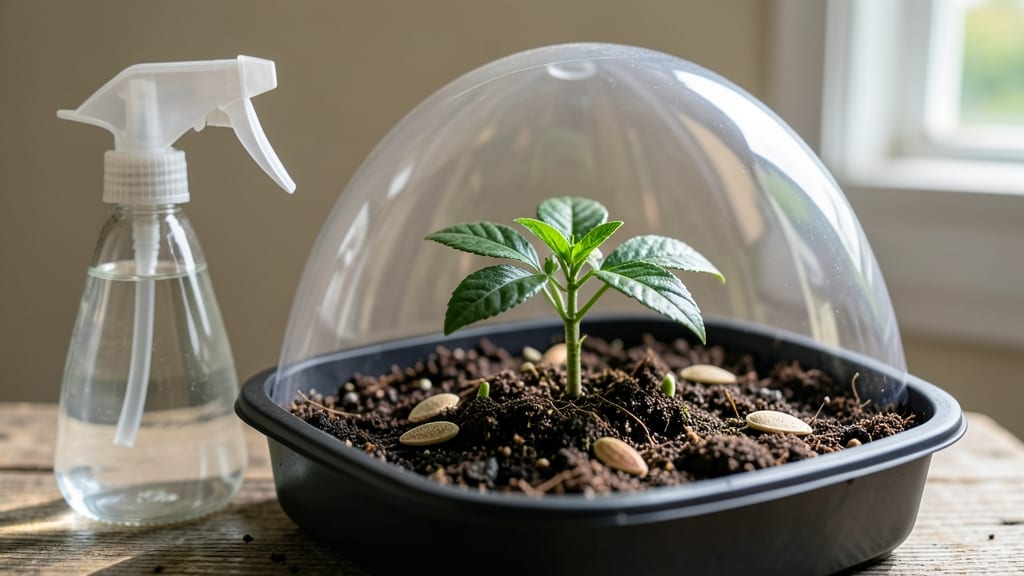
Turn a kitchen scrap into a tiny tree with bright green leaves using the secret trick for orange seed germination—if you know the soak-and-stratify method. 🌱 I’ve tried the usual "plant it and wait" approach, but citrus seeds need a little coaxing before they’ll sprout reliably. The key?
Mimicking their natural tropical environment with warmth and moisture before they even hit soil. Start with seeds from fresh fruit (the older the seed, the lower the chance of germination). After removing the pulp, soak them in warm water for 24 hours to soften the tough outer shell.
Then, wrap them in a damp paper towel and place them in a sealed plastic bag for 1-2 weeks—this stratification mimics the rainy season they’d experience in the wild. Most seeds crack open within 7-14 days of this treatment.
Once they sprout, transplant them into well-draining potting mix and keep the soil consistently moist but never soggy. Place them in a sunny spot (or under grow lights) and expect slow but steady growth—these aren’t fast growers, but with patience, you’ll have a 2-foot sapling in a year.
The real magic happens when you see those first leathery citrus leaves appear. Outdoor growers in USDA zones 9-11 can eventually move seedlings outside, but most of us will keep them as houseplants. They’ll need bright indirect light and occasional pruning to stay bushy.
Confession: my first attempt grew into a lanky mess, but now I know the tricks to keep them compact and thriving.
📚 In This Guide
- What you need
- Instructions
- Tips and common mistakes
- Wrapping up and next steps
What you need
- ● Orange seeds: 3–5 fresh, plump seeds (from organic or untreated oranges for best results).
- ● Water: Room-temperature, filtered or distilled water (avoid tap water with high chlorine).
- ● Container: Small bowl or cup (for soaking seeds).
- ● Paper towels or coffee filters (for stratification).
- ● Seedling tray or small pots (3–4 inches deep, with drainage holes).
- ● Potting mix: Well-draining, sterile seed-starting mix (avoid garden soil).
- ● Plastic wrap or humidity dome: To retain moisture during germination.
- ● Spray bottle: For gentle watering.
- ● Light source: Grow light or sunny windowsill (south-facing preferred).
- ● Seedling heat mat: Speeds up germination in cooler climates.
- ● Fertilizer: Diluted liquid fertilizer (e.g., fish emulsion) for seedlings.
- ● Humidity tray: Elevates moisture levels for finicky seeds.
- ● Labels & markers: To track seedling progress.
Step-by-Step instructions for germinating orange seeds
Here's my foolproof method to break through citrus seeds' tough outer shell and get them sprouting in under a month.
🌱 Step 1: Select and Prepare Fresh Seeds
Start with seeds from fully ripe oranges—green ones won't germinate. Scoop out the seeds and rinse them thoroughly under running water to remove any pulp. I like to spread them on a paper towel to dry completely for about 24 hours. This prevents mold from forming later.
Once dry, place the seeds in a small bowl and cover them with lukewarm water (about 80°F). Let them soak for 24-48 hours—this softens the hard outer shell and kickstarts the germination process. You'll know they're ready when the outer coating starts to wrinkle slightly.
💧 Step 2: Stratify for Consistent Moisture
After soaking, drain the seeds and wrap them in a damp paper towel. Fold the towel to keep the seeds snug but not compressed, then place everything in a sealed plastic bag. This creates a humid environment that mimics the tropical conditions citrus seeds love.
Store the bag in your refrigerator for 1-2 weeks. The cool temperature helps break seed dormancy, and the moisture keeps them from drying out. Check on them every few days—if the towel feels dry, mist it lightly with water. You'll see tiny cracks appear in the seed coats after about 7-10 days.
☀️ Step 3: Plant in Warm, Well-Draining Soil
Fill small pots (about 3-4 inches deep) with a mix of 50% potting soil and 50% perlite or sand to improve drainage. Citrus seeds hate soggy roots, so this prevents rot. Plant the seeds about ½ inch deep, spacing them 2 inches apart.
Water gently until the soil feels moist but not wet, then cover the pots with clear plastic wrap or a humidity dome. Place them in a warm spot (around 70-75°F) with bright, indirect light. Avoid direct sunlight at first—it can overheat the seeds and dry out the soil too quickly.
⏰ Step 4: Monitor for Sprouting and Transplant Carefully
Germination can take anywhere from 2-6 weeks, depending on your home's warmth and humidity. You'll know it's happening when you see a small white root emerge first, followed by a tiny green shoot. Once the seedlings reach about 2-3 inches tall, remove the plastic wrap and gradually introduce them to more light.
Be patient—citrus trees grow slowly at first. When they develop their third set of true leaves, transplant them into slightly larger pots (about 6 inches deep) with fresh potting mix. Keep the soil consistently moist but never waterlogged, and rotate the pots weekly so the seedlings grow straight and strong.
Tips & tricks for germinating orange seeds
Here's what nobody tells you about getting those stubborn orange seeds to sprout—these tricks cut down the waiting time and boost success rates.
Soak Smarter: The 24-48 hour soak is your first critical step, but don't just use cold water. That 80°F lukewarm water is key—it mimics the tropical conditions citrus seeds prefer. I like to soak them in a bowl with a splash of apple cider vinegar (about 1 tablespoon in 2 cups water) to help break down the tough outer shell faster. The wrinkling you see after 24 hours? That's a good sign—it means the seed coat is softening just right.
Stratification Secret: During the 1-2 week refrigerator phase in Step 2, resist the urge to peek too often. Every time you open the bag, you let moisture escape and temperature fluctuate—which can actually delay germination. If you must check, do it quickly and reseal immediately. And here's a pro move: place a small dish of water in the fridge bag with your seeds. The extra humidity keeps them consistently moist without over-saturating the towel.
Planting Precision: That ½-inch planting depth in Step 3 might seem shallow, but citrus seeds need good airflow to prevent rot. Use a toothpick to make small holes in the soil mix—just deep enough to nestle the seeds without burying them. When spacing them 2 inches apart, think of it as giving each seed its own microclimate. Overcrowding leads to competition for moisture and nutrients, which can stunt growth. I like to label my pots with the planting date—this helps track which seeds are ready for transplanting.
Lighting Logic: The bright, indirect light requirement in Step 3 is non-negotiable, but here's how to maximize it: Place your pots near an east-facing window where they'll get gentle morning sun. If you don't have good natural light, a simple LED grow light on a timer (12-14 hours daily) works wonders. And watch for condensation on the plastic wrap—if it's dripping, that's a sign you need to remove it for a few hours to prevent fungal growth.
Pro Tips for Orange Seed Germination
- Here's what nobody tells you about getting those stubborn orange seeds to sprout—these tricks cut down the waiting time and boost success rates.
- Soak Smarter: The 24-48 hour soak is your first critical step, but don't just use cold water.
- Stratification Secret: During the 1-2 week refrigerator phase in Step 2, resist the urge to peek too often.
Frequently asked questions
Got questions about germinating orange seeds? You’re not alone! Here are some of the most common queries—plus quick, actionable answers to help you succeed.
How long does it take for orange seeds to germinate?
Orange seeds typically take 2–4 weeks to sprout after soaking and planting, depending on temperature and moisture. Keep them warm (70–80°F) and consistently damp for the best results. Patience is key—some seeds may take longer, especially if they’re older or stored improperly.
Do I need to soak orange seeds before planting?
Yes! Soaking seeds for 24–48 hours softens the hard outer shell and speeds up germination. Place them in warm water, changing it every 12 hours to prevent mold. Pro tip: Skip soaking if you’re using the stratification method—just plant them dry and let nature do the work.
What is orange seed stratification, and do I need it?
Stratification mimics winter conditions to break seed dormancy. For orange seeds, it’s optional but helpful if you live in a cold climate. Mix seeds with damp sand or peat moss, refrigerate for 1–2 weeks, then plant. This can cut germination time by 50% in some cases!
Can I grow an orange tree from a grocery store seed?
While grocery store seeds may not yield the same variety as commercial citrus trees, they’ll still grow into hardy, disease-resistant plants. Just expect slower growth and smaller fruit (if any). For faster results, opt for seeds from organic, seed-grown citrus or a local nursery.
Why aren’t my orange seeds sprouting? Troubleshooting tips.
If your seeds aren’t germinating, check these common issues:
- Too cold: Move them to a warmer spot (like near a sunny window or under a heat mat).
- Not enough moisture: Keep soil consistently damp (not soggy) and use a humidity dome if needed.
- Old or dead seeds: Test viability by floating them in water—sinks = viable; floats = discard.
- Poor soil: Use a well-draining mix (like perlite + coconut coir) to prevent rot.
Still stuck? Try a fresh batch—some seeds just need more time!
Wrapping up and next steps
Germinating orange seeds is a rewarding journey that blends science with a touch of patience! 🌱 By soaking, stratifying, and providing the right conditions, you’ll soon watch tiny roots and sprouts emerge—proof that even citrus seeds can thrive with care.
Whether you’re growing for fun or future trees, your green thumb is already on the right track.
Ready to take the next step? Once your seedlings sprout, transplant them into pots with well-draining soil and keep them in bright, indirect light. Soon, you’ll have a thriving little plant—and maybe even a future orange tree! 🌿