
Propagation
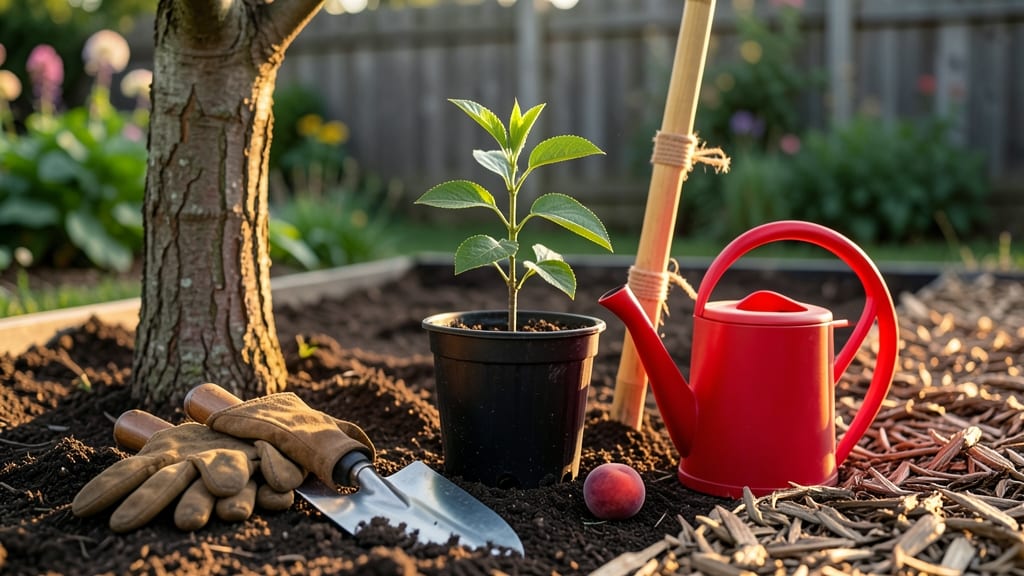
Growing a peach tree from seed to fruit is the ultimate gardening marathon—five years of patience pays off with juicy homegrown peaches that taste nothing like store-bought. 🌱 I’ve watched my first seedling grow from a speck of brown in a pot to a tree heavy with fruit, and the journey is worth every season of waiting.
The secret starts with the right seed—pit from a ripe, locally grown peach—and a warm, sunny spot. Germination takes 3-6 months, but once the first true leaves appear, you’re on the fast track to a fruit-bearing tree.
Pruning in the first two years shapes the tree’s structure, while consistent watering and soil care keep it strong.
By year five, you’ll see blossoms, then fruit, and finally—the payoff: sweet, sun-ripened peaches that make the long wait worthwhile.
The tree thrives in full sun, needs well-draining soil, and benefits from a winter chill period, but with the right care, it rewards you with years of harvests.
Whether you’re growing in a backyard or container, this method works—just be patient. The first harvest might be small, but each year after that, the tree gives back in spades. Let’s get those seeds started!
📚 In This Guide
- What you need
- Instructions
- Tips and common mistakes
- Wrapping up and next steps
What you need
- ● Peach pit – 1 fresh, fleshy pit (avoid dried or shriveled ones).
- ● Potting soil – 1 bag (1 cubic foot) of well-draining, sterile potting mix (or a 50/50 blend of peat moss and perlite).
- ● Small pots or seed trays – 2-3 (3-4 inch diameter) with drainage holes.
- ● Plastic wrap or humidity dome – 1 (to retain moisture).
- ● Spray bottle – 1 (for gentle watering).
- ● Grow lights or sunny windowsill – Access to 6+ hours of indirect light daily.
- ● Fertilizer – 1 balanced, water-soluble fertilizer (5-5-5 NPK ratio).
- ● Pruning shears – 1 pair (sterilized with rubbing alcohol).
- ● Garden gloves – 1 pair (to protect hands from sap).
- ● Seed stratification kit – If cold stratification is needed (some pits require 6-8 weeks in the fridge).
- ● Rooting hormone – 1 small bottle (speeds up germination).
- ● Soil moisture meter – 1 (to monitor hydration levels).
- ● Trellis or support stakes – For young trees (if grown outdoors).
- ● Pest control spray – 1 (organic neem oil or insecticidal soap).
Step-by-Step guide to growing a peach tree from seed to fruit
Here's how to nurture a peach seed into a thriving fruit-bearing tree in just five years.
🌱 Step 1: Extract and Stratify the Seed
Start by carefully removing a fresh peach pit from ripe fruit—avoid those that feel hollow inside, as they won't germinate. Scrub off all remaining fruit flesh with warm, soapy water, then rinse thoroughly. Let it dry completely for 24 hours before proceeding.
Peach seeds require a cold period to break dormancy. Place the cleaned pit in a sealed plastic bag with a damp paper towel—just enough moisture to feel slightly damp when squeezed. Store it in your refrigerator's crisper drawer for 6-8 weeks. Check weekly and refresh moisture if the towel feels dry. This cold treatment mimics winter conditions and signals the seed it's time to grow.
🌱 Step 2: Plant the Stratified Seed
After stratification, fill a small pot (at least 4 inches deep) with a mix of 50% potting soil and 50% perlite. This lightweight blend prevents rot while allowing proper drainage. Plant the seed 1 inch deep, pointed end down, in the center of the pot.
Water gently until moisture seeps from the drainage hole, then place the pot in a warm spot (70-75°F) with bright, indirect light. A seedling heat mat can speed germination if your home runs cooler. Keep the soil consistently moist but never soggy—you'll know it's right when the surface feels damp but not wet to the touch.
☀️ Step 3: Transplant and Care for the Sapling
Once the seedling reaches 6 inches tall (usually 6-8 weeks after planting), transplant it to a larger container or directly into the ground in a sunny location. Peach trees need full sun (6+ hours daily) and well-draining soil with a pH of 6.0-7.0.
Apply a balanced 10-10-10 fertilizer lightly around the base in early spring, keeping it 6 inches away from the trunk. Water deeply once weekly during dry spells, allowing the top 2 inches of soil to dry between waterings. Prune leggy growth in early spring to encourage a sturdy, bushy shape—cut back to just above a leaf bud for best results.
🌿 Step 4: Prepare for Fruit Production
By year three, your tree will need winter chilling to set fruit properly. In colder climates, this happens naturally, but in warmer areas, you may need to simulate it by placing the tree in a 35-45°F environment for 4-6 weeks during winter. This ensures proper flowering the following spring.
When buds appear in early spring, thin them to 6-8 inches apart to improve fruit size and quality. Hand-pollinate if no bees visit by gently transferring pollen between flowers with a small brush. Mulch around the base with 2-3 inches of organic matter to retain moisture and regulate soil temperature—keep it 6 inches away from the trunk to prevent rot.
⏰ Step 5: Harvest and Maintain for Future Seasons
Peaches typically ripen in late summer, usually 7-9 years from seed (though some may fruit earlier). Harvest when the fruit easily detaches from the tree with a slight twist and has a sweet aroma near the stem. Avoid picking when wet—this invites rot and disease.
After harvest, feed the tree with a low-nitrogen fertilizer (5-10-10) to encourage root and flower development for next year. Prune again in late winter to remove dead or crossing branches, always cutting at a 45-degree angle just above an outward-facing bud. This keeps the tree open to sunlight and air circulation, reducing disease risk.
Tips & tricks for growing a peach tree from seed to fruit
Here's what I learned the hard way about growing peach trees from seed—these tricks will help you avoid common pitfalls and maximize your chances of success.
Seed Selection Matters: Not all peach pits will germinate, so choose your starting material carefully. Look for fresh, plump pits from organic peaches—avoid those that feel soft or hollow when tapped. I've found that pits from heirloom varieties often have better germination rates than commercial ones. The 24-hour drying period is crucial; it prevents mold and ensures the seed has a clean start.
Stratification Success: The 6-8 week cold treatment in Step 1 is non-negotiable for breaking dormancy. I learned this after trying to skip it—nothing happened! Place your sealed bag in the crisper drawer where temperatures stay consistently cool (around 35-45°F). Check weekly to ensure the paper towel stays just damp; too much moisture causes rot, while too little prevents germination. This mimics natural winter conditions that trigger growth.
Transplanting Timing: Wait until your seedling reaches at least 6 inches tall before transplanting—usually around the 6-8 week mark. Smaller seedlings are more fragile and may not survive the shock. When choosing a location, prioritize full sun (6+ hours daily) and well-draining soil. I've seen trees struggle in heavy clay soil, so amend with compost if needed. The 10-10-10 fertilizer application in Step 3 should be light—think of it as a gentle wake-up call for young roots.
Winter Chilling Hack: If you're in a warm climate, simulate winter chilling by moving your tree to a garage or shaded patio during winter months. Aim for 4-6 weeks at temperatures between 35-45°F. This ensures proper flower development the following spring. I've had success using a refrigerator set to its coldest setting (but not freezing) for container-grown trees—just monitor closely to prevent temperature swings.
Pro Tips for Peach Tree From Seed To Fruit
- Here's what I learned the hard way about growing peach trees from seed—these tricks will help you avoid common pitfal...
- Seed Selection Matters: Not all peach pits will germinate, so choose your starting material carefully. Look for fresh...
- Stratification Success: The 6-8 week cold treatment in Step 1 is non-negotiable for breaking dormancy. I learned this...
Frequently asked questions
Got questions about growing a peach tree from seed to fruit? You’re not alone! Here are some of the most common queries—and their answers—to help you navigate your journey with confidence.
How long does it take for a peach tree grown from seed to produce fruit?
A peach tree grown from seed typically takes 5 to 7 years to bear fruit, though some varieties may take even longer. Patience is key—seed-grown trees may also produce fruit that differs from the parent tree (thanks to genetic variability). For faster results, consider grafting a known variety onto your seedling.
Can I grow a peach tree indoors or in a container?
Peach trees thrive outdoors in warm climates, but you can try container growing in zones 7-10 with full sun. Use a large pot (at least 15 gallons), well-draining soil, and overwinter it indoors if temperatures drop below freezing. Just know: container-grown trees may produce smaller fruit or fewer blooms due to limited root space.
Why isn’t my peach tree flowering or fruiting after a few years?
Several factors could be at play: age (seedlings need time to mature), chill hours (peaches need 300-900 hours below 45°F/7°C), or poor pollination. Check your tree’s hardiness zone, ensure it gets cross-pollination (if needed), and fertilize with nitrogen in early spring and phosphorus/potassium before blooming.
Do I need to graft my seed-grown peach tree for better fruit?
Grafting isn’t mandatory, but it’s highly recommended if you want consistent, high-quality fruit. Seedlings often produce unpredictable fruit (or none at all). Grafting a known variety onto your seedling ensures you get the flavor, size, and disease resistance you’re after. It’s a bit of work, but worth it for serious peach lovers!
What’s the best way to protect my peach tree from pests and diseases?
Prevention is your best defense! Start with healthy soil (rich in organic matter) and proper spacing for airflow. Monitor for common pests like aphids or peach tree borers, and treat early with neem oil or insecticidal soap. For diseases (e.g., brown rot), prune for sunlight, remove infected fruit, and apply fungicide in spring. A thin layer of mulch also helps deter weeds and pests.
Wrapping up and next steps
Growing a peach tree from seed to fruit is a rewarding journey that blends patience, care, and a touch of magic! 🌱 With the right conditions—sunlight, well-draining soil, and consistent watering—you can enjoy homegrown peaches in just 5 years.
Remember, every gardener starts somewhere, so embrace the learning curve and celebrate small victories along the way.
Now that you’re equipped with the knowledge, take the next step! Start with a seed today, nurture it with love, and watch as your backyard transforms into a sweet, fruity paradise. Happy growing! 🍑✨