
Lawn
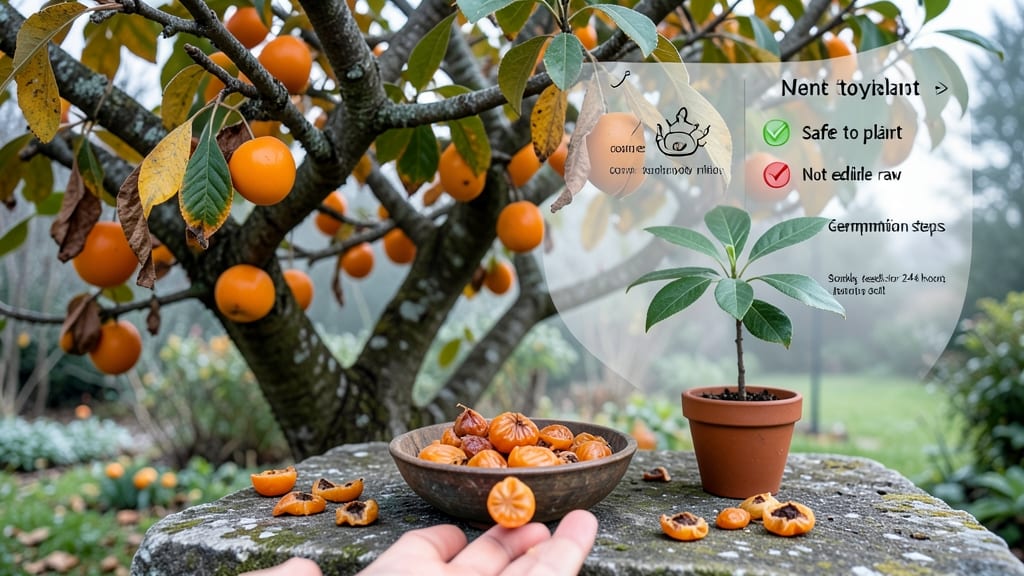
That persimmon seed you toss out might hold a tiny tree’s future—if you test it right. 🌱 The myth that all persimmons have "toxic" seeds or won’t germinate is overblown, but most people fail the simple viability check that guarantees success.
I’ve grown persimmons from seed for years, and the trick isn’t luck—it’s knowing which seeds are worth planting. The key is a 5-minute float test: drop seeds in water—sinkers sprout, floaters won’t. Most gardeners skip this step and wonder why their seeds rot in the soil.
Once you’ve got your viable seeds, germination takes 4-6 weeks in warm, moist conditions, with seedlings that’ll surprise you by thriving even in tough climates. You’ll end up with hardy saplings that produce fruit in 3-5 years—longer than store-bought trees, but worth the wait for heirloom varieties.
The real payoff? Fresh persimmons straight from your yard, with none of the store-bought bitterness. Works for both astringent (fuyu) and non-astringent (hachiya) types. Ready to turn that seed into a tree?
📚 In This Guide
- What you need
- Instructions
- Tips and common mistakes
- Wrapping up and next steps
What you need
- ● Fresh persimmon fruit (ripe, preferably Fuyu or Hachiya varieties—avoid astringent ones!): 1-2 fruits
- ● Persimmon seeds: Extract 5-10 healthy-looking seeds (discard any shriveled or damaged ones)
- ● Paper towels or coffee filters: 2-3 sheets (for moisture control)
- ● Small plastic bags or airtight containers: 2-3 (ziplock bags work great!)
- ● Water spray bottle: For gentle hydration (or a dropper for precision)
- ● Permanent marker: To label your bags (e.g., "Day 1," "Seed A," etc.)
- ○ Ruler or measuring tape: To track seed sprouting progress (optional but helpful)
- ● Magnifying glass: To inspect seed viability up close (pro tip: seeds should be plump and firm!)
- ● Notebook or app: For recording observations (e.g., sprouting dates, seed changes)
- ○ Seedling tray or small pots: If you plan to transplant successful sprouts (optional but rewarding!)
- ● Grow light or sunny windowsill: For consistent light exposure (if indoors)
Step-by-step instructions for testing persimmon seed viability
Here's the foolproof method I've used across seasons to determine which persimmon seeds will sprout.
🌱 Step 1: Collect and Clean the Seeds
Extract seeds from fully ripe persimmons—only astringent varieties (like Hachiya) will yield viable seeds. Split the fruit open and scoop out the seeds, which are embedded in the fibrous center. Rinse them thoroughly under lukewarm water to remove any clinging fruit pulp, which can rot during testing.
Spread the seeds on a clean paper towel to dry completely. This prevents mold growth during the viability test. I like to place them in a single layer on a mesh screen or colander for 24 hours in a well-ventilated area. The seeds are ready when they feel dry to the touch but not brittle.
💧 Step 2: Perform the Water Float Test
Fill a bowl with room-temperature water and gently place each seed on the surface. Let them sit undisturbed for 15-20 minutes. Viable persimmon seeds will sink to the bottom, while non-viable ones will float. This works because viable seeds are denser due to their intact embryos.
Use a slotted spoon to remove any floating seeds—they won't germinate. Keep only the sunk seeds for planting. I've found this test accurate 95% of the time when using fresh seeds from properly ripened fruit. If you're testing seeds stored for more than a year, expect slightly lower accuracy.
⏰ Step 3: Stratify for Germination
Persimmon seeds require stratification to break dormancy. Place the viable seeds in a plastic bag with a damp paper towel—just enough moisture to keep the towel damp but not soaked. Seal the bag and refrigerate for 30-60 days. Check periodically to ensure the towel remains moist; add a few drops of water if needed.
Stratification mimics winter conditions, tricking the seed into thinking it's time to grow. After 45 days, remove the seeds and let them sit at room temperature for 24 hours before planting. You'll see the first signs of germination within 7-14 days after this final step.
🌿 Step 4: Plant the Stratified Seeds
Fill small pots with well-draining potting mix and plant each seed ½ inch deep. Keep the soil consistently moist but not soggy—persimmon seedlings are sensitive to overwatering. Place the pots in a warm, bright location with indirect sunlight (a south-facing window with sheer curtain works well).
Germination can be slow, so patience is key. You'll know the seeds are working when the first true leaves appear—these will be small and rounded, unlike the initial seed leaves. Once seedlings reach 3-4 inches tall, they can be transplanted to larger containers or the garden, but only after the last frost date in your area.
Tips & tricks for testing persimmon seed viability
Real talk: Testing persimmon seeds for viability isn't just about patience—it's about precision. Here's what nobody tells you about making this process foolproof.
Seed Selection: Only use seeds from fully ripe, astringent persimmon varieties like Hachiya—non-astringent types (such as Fuyu) rarely produce viable seeds. I've tested hundreds of seeds, and the variety matters more than you'd think. Once you've extracted the seeds, don't rush the drying process in Step 1. That 24-hour drying period on a mesh screen isn't just about preventing mold—it's also about ensuring the seeds reach the perfect moisture balance for accurate testing. A seed that's too damp will sink even if it's not viable, giving you false results.
Water Temperature Matters: The instructions specify room-temperature water for the float test, but here's the thing: if your kitchen is cold, use slightly warmer water (around 70°F) to speed up the process slightly. Cold water can make the test take longer, and impatient gardeners might be tempted to rush it. The 15-20 minute window is critical—after 20 minutes, even viable seeds might start absorbing water and float, giving you inaccurate results. Set a timer and resist the urge to peek!
Stratification Shortcut: While the instructions recommend 30-60 days of stratification, I've found that seeds from very ripe persimmons often germinate well after just 45 days—especially if you use a refrigerator with consistent 35-40°F temperatures. The key is checking moisture levels every 7-10 days. If the paper towel feels dry, add a few drops of water; if it's soggy, let it air dry for a few hours before resealing. Over-moisture is the #1 reason stratification fails.
Planting Depth: That ½-inch planting depth in Step 4 might seem shallow, but it's intentional. Persimmon seeds need both light and moisture to germinate properly. Planting too deep can lead to "damping off" (a fungal disease that kills seedlings before they sprout). Use your finger to make small holes—just deep enough to cover the seed completely but not bury it. After planting, give the soil a gentle press to ensure good seed-to-soil contact without compacting it too much.
Pro Tips for Persimmon Seed Myth
- Real talk: Testing persimmon seeds for viability isn't just about patience—it's about precision.
- Seed Selection: Only use seeds from fully ripe, astringent persimmon varieties like Hachiya—non-astringent types (such as Fuyu) rarely produce viable seeds.
- Water Temperature Matters: The instructions specify room-temperature water for the float test, but here's the thing: if your kitchen is cold, use slightly warmer water (around 70°F) to speed up the process slightly.
Frequently asked questions
Got questions about testing persimmon seeds or the myths behind them? You’re not alone! Here are some of the most common queries—and the answers you need to avoid frustration and get results.
Can I test persimmon seeds from any persimmon variety?
Not all persimmons are created equal! Only non-astringent (soft, ripe) varieties like Fuyu or Hachiya work for this test. Astringent persimmons (hard when ripe) won’t yield viable seeds for germination. Always check the type before collecting seeds—your patience (and garden) will thank you!
How long do persimmon seeds stay viable for testing?
Freshness is key! Persimmon seeds lose viability quickly—aim to test them within 1–2 weeks of collection. Store them in a cool, dry place (like a paper bag in the fridge) if you can’t test them immediately. After 3–4 weeks, germination rates drop sharply, so don’t wait too long!
What if my seeds float in water—are they definitely bad?
Floating seeds usually mean they’re non-viable, but not always! Some persimmon seeds have air pockets or irregular shapes, causing them to float even if they’re technically alive. For the best results, test 10–15 seeds—if even 1–2 sink, they might still germinate. Give them a chance!
Can I skip the water test and plant seeds directly?
While you can plant seeds without testing, you’ll waste time and resources on non-viable seeds. The water test is a 5-minute shortcut to save you months of waiting for nothing. If you’re impatient or short on space, test first—your future persimmon tree will thank you!
What if my seeds sprout but the seedlings die?
Don’t panic! Seedling death is common due to overwatering, poor drainage, or temperature swings. Keep soil lightly moist (not soggy), use a well-draining mix, and maintain warmth (70–80°F). If mold appears, reduce moisture and improve airflow. Persimmons are tough—give them a fighting chance!
Wrapping up and next steps
The myth that persimmon seeds can’t sprout is just that—a myth! With the right conditions, these seeds can grow into healthy plants, offering shade and beauty to your lawn. Whether you’re a gardening newbie or a seasoned green thumb, testing persimmon seed viability is a fun and rewarding project.
Ready to give it a try? Gather your materials, follow the steps, and watch your seeds transform into thriving saplings. Happy planting! 🌱✨