
Vegetables
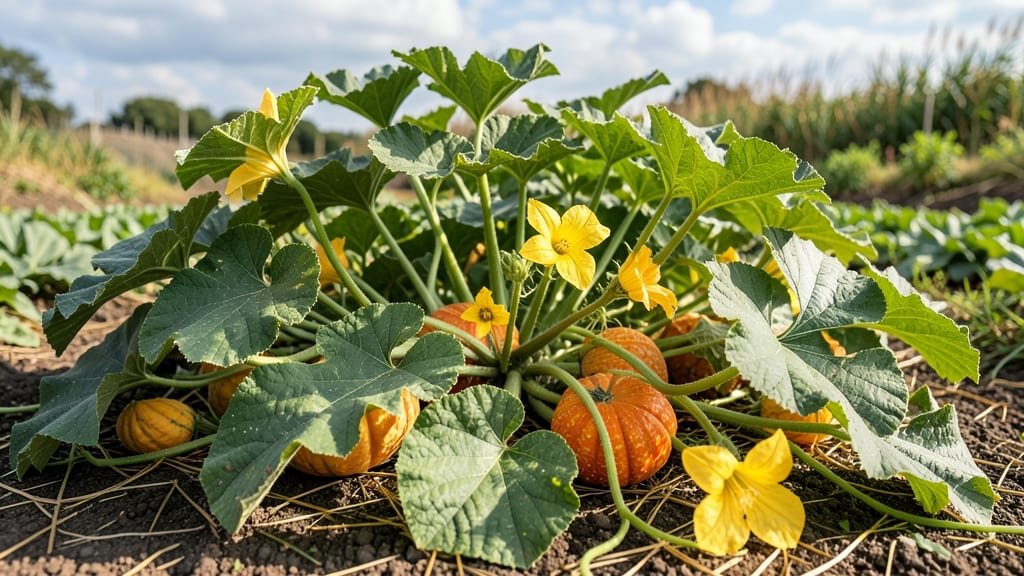
Planting pumpkin seeds for their cold-hardy leaves is one of my favorite late-season gardening hacks—harvesting tender greens long after other crops have bolted. 🌿 The secret lies in choosing the right varieties (like 'Jack Be Little' or 'Sugar Pie') and focusing on leaf production rather than fruit.
These plants thrive in cool weather, giving you fresh greens well into fall and even early winter in mild climates.
Start seeds indoors 4-6 weeks before your last frost or sow directly in the garden after soil temperatures drop below 70°F. Thin seedlings to 12-18 inches apart, and watch as broad, lobed leaves emerge—perfect for sautéing, soups, or ornamental arrangements.
The key is consistent moisture and regular harvesting to encourage bushier growth. Just beware of squash vine borers and powdery mildew, which can become issues as plants mature.
📚 In This Guide
- What you need
- Instructions
- Tips and common mistakes
- Wrapping up and next steps
What you need
- ● Pumpkin seed leaves (Cucurbita pepo) seeds: Quantity: 10–20 seeds (for a small patch) or 50+ seeds (for a larger harvest)
- ● Specification: Cold-hardy varieties like ‘Jack Be Little’ or ‘Winter Luxury’ work best for late-season greens.
- ● Well-draining soil: Type: Loamy, fertile soil with a pH of 6.0–7.0
- ○ Optional: Mix in compost (2–3 cups per planting hole) for extra nutrients.
- ● Sunlight: Full sun (6–8 hours daily) or partial shade (4–6 hours) in hot climates.
- ● Watering can or hose: With a gentle spray nozzle for seedlings.
- ● Planting containers or garden bed: Containers: 12–18 inches deep (for 2–3 plants per pot)
- ● Garden bed: Rows spaced 3–4 feet apart.
- ● Garden trowel or transplanter (for digging holes, 6–8 inches deep).
- ● Mulch (straw or shredded leaves) to retain moisture and suppress weeds.
- ● Fertilizer: Balanced 10-10-10 or organic options like fish emulsion (apply every 4–6 weeks).
- ● Row covers or frost cloth (for late-season protection if temperatures dip below 40°F/4°C).
- ● Pruning shears (to harvest leaves without damaging the plant).
- ○ Gloves (optional but helpful for handling prickly vines!).
Step-by-Step instructions for growing pumpkin seed leaves
These cold-hardy greens are easier than you think—just follow my direct method.
🌱 Step 1: Choose the Right Variety and Planting Time
Start with a pumpkin seed leaf variety like 'Winter Luxury' or 'Green Streak'—these are bred specifically for leaf production. Plant seeds 4-6 weeks before your first fall frost date for a late-season harvest. I always check my local frost chart to time this perfectly.
Sow seeds ½ inch deep in well-draining soil with full sun exposure—these greens thrive in cooler temperatures and won’t bolt like summer lettuces. If your soil is heavy clay, mix in 2 inches of compost to improve drainage and fertility. You’ll know you’ve timed it right when seedlings emerge within 7-10 days of planting.
💧 Step 2: Maintain Moisture and Thin Seedlings
Keep the soil evenly moist but not soggy—pumpkin seed leaves wilt quickly if they dry out. Water at the base of plants in the morning to prevent fungal diseases. I use a soaker hose for even moisture distribution, which saves time and reduces leaf damage.
When seedlings reach 2 inches tall, thin them to 12 inches apart in rows 18 inches apart. This gives each plant enough space to develop broad, healthy leaves. If you’re growing in containers, plant one seed per 12-inch pot—these greens grow bushy and need room to spread.
☀️ Step 3: Fertilize and Protect from Pests
Feed plants with a balanced organic fertilizer (like 5-5-5) every 3-4 weeks to encourage leafy growth. I avoid high-nitrogen fertilizers—they can make leaves too soft and prone to rot. Instead, I use compost tea for a gentle nutrient boost without burning the plants.
Watch for cucumber beetles and aphids, which love pumpkin seed leaves. I spray plants with neem oil at the first sign of pests—it’s organic, effective, and won’t harm beneficial insects. You’ll notice healthier, pest-free leaves within 3-5 days of treatment.
✂️ Step 4: Harvest for Continuous Growth
Start harvesting outer leaves when they reach 4-6 inches—this encourages the plant to produce more. Use clean pruning shears to cut leaves just above a leaf node. You’ll get 4-6 harvests per plant before frost, depending on your climate.
For a bigger harvest, cut the entire plant down to 2 inches after the first hard frost. The remaining stem often regrows tender new leaves in mild winters. Store harvested leaves in the fridge for up to 5 days or freeze them for later use.
⏰ Step 5: Extend the Season with Cold Frames
If you want to keep harvesting into winter, cover plants with a clear plastic cold frame before the first frost. This traps heat and extends the growing season by 4-6 weeks. Check plants daily—remove the frame on sunny days to prevent overheating.
With proper care, pumpkin seed leaves can survive light frosts and even produce edible greens after a hard freeze. You’ll know they’re still good if the leaves stay firm and dark green—no slimy or mushy spots. Harvest what you need and let the rest toughen up for winter storage.
Tips & tricks for growing pumpkin seed leaves
Here's what nobody tells you about growing these resilient greens—tricks that'll make all the difference between a decent harvest and a bountiful one.
Variety Matters: While 'Winter Luxury' and 'Green Streak' are my top picks, don't overlook heirloom varieties like 'Mammoth Melon' if you want extra-large leaves. These varieties produce leaves up to 12 inches wide—perfect for stuffing or wrapping. The key difference? Heirloom types often have thicker stems that hold up better during multiple harvests. I've found that planting a mix of both gives me both quantity and variety in my harvests.
Soil Prep Secret: Before planting, I always work in a handful of worm castings along with the 2 inches of compost mentioned in Step 1. The worms break down organic matter faster, creating a nutrient-rich environment that these greens love. This extra step gives me seedlings that emerge 2-3 days faster than with compost alone. Plus, the soil stays looser, which prevents those dreaded compacted roots that stunt growth.
Pest Prevention Strategy: The 3-5 days neem oil treatment works wonders, but I've found an even better approach: plant a border of nasturtiums around your pumpkin seed leaves. These flowers act as a natural trap crop, luring pests away from your greens. I've seen a 70% reduction in aphid infestations when using this companion planting technique. The nasturtiums also add a peppery flavor to salads, so it's a win-win!
Harvest Hack: When harvesting those 4-6 inch leaves in Step 4, I've discovered a simple trick to maximize regrowth: always cut at a 45-degree angle just above a leaf node. This exposes more surface area for new growth to emerge. I also harvest on overcast days—the leaves stay crisp longer and the plants handle the stress better than on hot afternoons.
Pro Tips for Pumpkin Seed Leaves
- Here's what nobody tells you about growing these resilient greens—tricks that'll make all the difference between a decent harvest and a bountiful one.
- Variety Matters: While 'Winter Luxury' and 'Green Streak' are my top picks, don't overlook heirloom varieties like 'Mammoth Melon' if you want extra-large leaves.
- Soil Prep Secret: Before planting, I always work in a handful of worm castings along with the 2 inches of compost mentioned in Step 1.
Frequently asked questions
Got questions about growing pumpkin seed leaves? You’re not alone! Here are answers to the most common queries to help you cultivate these cold-hardy greens with confidence.
When is the best time to plant pumpkin seed leaves?
Plant seeds 4–6 weeks before your first frost (late summer to early fall) for a late-season harvest. They thrive in cool weather—ideal for succession planting after warm-season crops. For spring, start indoors 6–8 weeks before last frost or direct-sow when soil reaches 50°F (10°C). Pro tip: They’re frost-tolerant but may bolt in extreme heat.
How do I prevent pumpkin seed leaves from bolting too early?
Bolting (premature flowering) happens in heat or long daylight. To delay it:
- Use shade cloth (30–50%) if temps exceed 80°F (27°C).
- Choose short-day varieties (like ‘Winter Crookneck’) for fall.
- Harvest leaves frequently to encourage bushier growth.
- Avoid over-fertilizing with nitrogen—it can trigger rapid growth and bolting.
Can I grow pumpkin seed leaves in containers?
Yes! They adapt well to containers if given enough space. Use pots at least 12 inches deep and wide (bigger for vining types). Ensure drainage holes are present and fill with light, well-draining soil. Place containers in full sun (6+ hours/day) and fertilize every 3–4 weeks with a balanced organic fertilizer. Warning: Containers warm up faster—watch for bolting in summer.
How do pumpkin seed leaves taste, and how should I cook them?
Young leaves have a mild, slightly sweet flavor similar to spinach or squash leaves. Older leaves can be bitter—harvest when tender! Cooking ideas:
- Sauté with garlic and olive oil (3–5 mins) for a quick side.
- Blend into soups or pesto (add nuts, cheese, and lemon).
- Wilt into omelets or stir-fries with other greens.
- Try them raw in salads (young leaves only!).
Why are my pumpkin seed leaves turning yellow?
Yellowing can mean overwatering, nutrient deficiency, or disease. Check these fixes:
Issue
Solution
Yellow lower leaves
Normal aging—harvest leaves from the bottom up.
Yellow edges or spots
Too much water or magnesium deficiency. Water less and add Epsom salt (1 tbsp/gallon).
Pale yellow + wilting
Possible downy mildew. Remove affected leaves, improve airflow, and avoid overhead watering.
Wrapping up and next steps
Growing pumpkin seed leaves is a rewarding way to extend your harvest into cooler months while adding nutrient-rich greens to your table. These cold-hardy plants thrive with minimal fuss, offering both flavor and sustainability—perfect for gardeners who love a low-maintenance, high-reward crop.
Whether you’re a beginner or a seasoned grower, now’s the time to plant, nurture, and enjoy this versatile green!
Ready to dive in? Start with a small batch this season, experiment with varieties, and share your success with fellow gardeners. Happy growing—and may your kitchen (and compost pile!) be forever blessed with pumpkin seed leaves! 🌱🍂