
Lawn
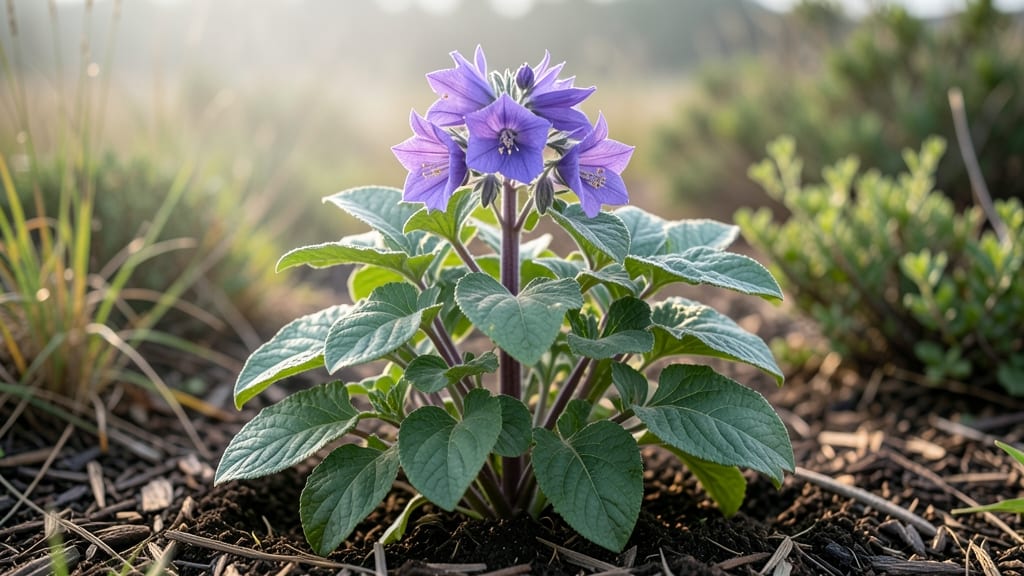
Growing purple Viking seed potatoes delivers vibrant purple flesh that tastes like no other spud you’ve ever dug up. 🌱 I planted mine last spring after years of struggling with bland supermarket potatoes, and the difference was shocking—deep purple skin, striking lavender insides, and a nutty, earthy flavor that made my family beg for seconds.
This heirloom isn’t just a showstopper; it’s a nutrient powerhouse with double the antioxidants of regular potatoes.
The secret to success starts with cool soil—wait until the ground reaches 45°F before planting, and use well-draining soil mixed with compost. Purple Vikings need full sun (6+ hours daily) and consistent moisture, but they hate soggy roots.
For containers, a 10-gallon pot per plant works, and in-ground plantings should space tubers 12 inches apart with rows 3 feet apart. Hilling soil around stems as they grow prevents greening and boosts yield.
By harvest time (90-120 days), you’ll pull 2-3 pounds of potatoes per plant, each with that signature purple hue. The flavor? Rich, buttery, and slightly sweet—perfect for roasting, mashing, or even spiralizing into noodles.
Plus, the skin stays crisp, so you can eat them with or without peeling. Just watch for blight (remove infected leaves immediately) and Colorado potato beetles (handpick or use neem oil).
Whether you’re growing in raised beds, containers, or a traditional plot, Purple Vikings thrive in zones 2-8, making them one of the most versatile heirlooms. Start with certified seed potatoes (not grocery store ones!) and save your best harvest for next year’s crop.
Trust me—once you taste this purple magic, you’ll never go back to boring white potatoes again.
📚 In This Guide
- What you need
- Instructions
- Tips and common mistakes
- Wrapping up and next steps
What you need
- ● Purple Viking seed potatoes: 5–10 lbs (about 3–5 lbs per 100 sq ft of garden space). Choose certified disease-free tubers for best results.
- ● Garden soil: Well-draining, loose soil with a pH of 5.0–6.5. Amend with compost if your soil is heavy or clay-like.
- ● Organic fertilizer: A balanced 10-10-10 or potato-specific fertilizer (e.g., 5-10-10) for planting and mid-season feeding.
- ● Mulch: Straw, grass clippings, or leaves (3–4 inches thick) to retain moisture and suppress weeds.
- ● Watering can or hose: With a gentle spray nozzle for consistent moisture.
- ○ Garden fork or tiller: To loosen soil before planting (optional but helpful for heavy soil).
- ● Garden gloves: To protect your hands while handling soil and potatoes.
- ● Pruners or sharp knife: For cutting seed potatoes into smaller pieces (if pre-sprouting).
- ● Row marker or sticks: To mark planting rows (especially useful in larger gardens).
- ● Harvest basket or burlap sacks: For gently collecting mature potatoes to avoid bruising.
- ● Potato clips or cages: To support vining varieties (though Purple Vikings are generally bush-type).
- ● Soil moisture meter: To monitor water levels and prevent over/under-watering.
- ● Potato grow bags: For container gardening (use 5–10 gallon bags per plant).
- ● Disease-resistant spray: Like copper fungicide (preventative measure for late blight or scab).
Step-by-step instructions for growing purple Viking seed potatoes
Here’s how to grow these stunning purple-fleshed tubers with minimal fuss—just follow these clear steps.
🌱 Step 1: Chit Your Seed Potatoes Before Planting
Purple Viking potatoes need a head start. Place your seed potatoes in a cool, bright spot (around 50-55°F) for 4-6 weeks before your last frost date. This encourages small sprouts, called "chits," to form. I like to set them on a sunny windowsill where they get indirect light—just avoid direct sun, which can scorch the sprouts.
Check weekly for signs of rot or mold. If you spot any soft, mushy spots, remove those potatoes immediately. Healthy chits will look firm with tiny white or green sprouts. Once you see at least ½-inch chits, they’re ready to plant. This early prep ensures faster, stronger growth once in the ground.
🪴 Step 2: Prepare the Soil and Plant at the Right Depth
Choose a location with full sun (6-8 hours daily) and loose, well-draining soil. Purple Vikings thrive in slightly acidic to neutral soil (pH 5.0-6.5). Work in 2-3 inches of compost or well-rotted manure into the top 12 inches of soil to boost nutrients. Avoid fresh manure—it can burn tender potato roots.
Dig trenches 12 inches deep and 3 feet apart for rows. Place each chitted potato 4-6 inches deep, with the sprouts facing up. Space potatoes 12 inches apart in the row. Cover lightly with soil, leaving just the top 1 inch exposed. This prevents the stems from breaking as they grow. Water gently after planting to settle the soil.
☀️ Step 3: Hill Soil as Plants Grow for Stronger Tubers
When your Purple Vikings reach 6-8 inches tall, mound soil around the base, covering the lower 6 inches of stems. Repeat this every 2-3 weeks until the plants flower. Hilling encourages more tuber formation and prevents greening (which makes potatoes toxic). Aim to keep 6 inches of stem above soil at all times.
Water deeply 1-2 times per week, keeping soil consistently moist but never soggy. Purple Vikings are drought-tolerant but produce best with steady moisture. Mulch with 2-3 inches of straw after hilling to retain moisture and suppress weeds. Stop watering 2 weeks before harvest to let skins toughen up.
⏰ Step 4: Harvest at Peak Maturity for Best Flavor
Purple Vikings mature 90-110 days after planting. New potatoes (small, tender tubers) can be harvested early by carefully digging around the base of plants. For full-sized potatoes, wait until the flowers fade and foliage starts yellowing. Use a fork to gently loosen soil around the plant, then pull carefully to avoid bruising.
Cure harvested potatoes in a dark, cool (50-60°F) place for 1-2 weeks to toughen skins. Brush off excess dirt and store in a dark, humid (80-90% humidity) container with good airflow. Check weekly for soft spots—discard any that spoil. Properly stored, these beauties keep for 4-6 months, perfect for roasting or mashed into vibrant purple dishes.
Tips & tricks for growing purple Viking seed potatoes
These pro tips will help you maximize your harvest of these stunning purple-fleshed tubers while avoiding common gardening pitfalls.
Timing Your Chitting: The 4-6 week chitting period at 50-55°F is your secret weapon for early harvests. I've found that starting chits indoors in early spring—around 6-8 weeks before your last frost—gives you a head start. Use a clear plastic container with holes in the lid to create a mini greenhouse effect, which speeds up sprout formation while preventing rot. Once you see those ½-inch chits, they're ready to brave the outdoors.
Soil Prep Secrets: Purple Vikings reward you for good soil prep, especially that 2-3 inches of compost mixed into the top 12 inches. I like to add a handful of wood ash (for pH balance) and a sprinkle of bone meal (for phosphorus) to the planting hole. The key is creating that slightly acidic to neutral pH (5.0-6.5)—test your soil before planting if possible. For container growing, use a mix of 60% potting soil and 40% compost to ensure proper drainage while retaining moisture.
Hilling Technique: When your plants reach 6-8 inches tall, that first hilling is critical—cover those lower 6 inches of stems to encourage tuber formation. I've learned the hard way that skipping this step leads to fewer, smaller potatoes. Use a hoe to create mounds every 2-3 weeks until flowering, always keeping 6 inches of stem exposed. This also prevents those toxic green spots from forming when tubers are exposed to light.
Harvesting Wisdom: For new potatoes, dig carefully around the base when plants are about 6 weeks old—you'll find small, tender tubers. For full-sized potatoes, wait until flowers fade and foliage yellows (around 90-110 days). The curing period of 1-2 weeks at 50-60°F is non-negotiable—it develops that perfect skin texture. I store mine in mesh bags in a cool, dark pantry where they keep beautifully for months.
Pro Tips for Purple Viking Seed Potatoes
- These pro tips will help you maximize your harvest of these stunning purple-fleshed tubers while avoiding common gard...
- Timing Your Chitting: The 4-6 week chitting period at 50-55°F is your secret weapon for early harvests. I've found th...
- Soil Prep Secrets: Purple Vikings reward you for good soil prep, especially that 2-3 inches of compost mixed into the...
Frequently asked questions
Got questions about growing Purple Viking seed potatoes? You’re not alone! Here are answers to the most common queries to help you cultivate a stunning, nutrient-rich harvest with confidence.
How long does it take for Purple Viking potatoes to mature?
Purple Viking potatoes typically take 90–110 days to reach maturity from planting, depending on your climate and growing conditions. In cooler regions, they may need a slightly longer season. Start planting 2–4 weeks before the last frost for optimal results.
Can I grow Purple Viking potatoes in containers?
These potatoes thrive in containers as long as the pot is at least 12 inches deep and wide enough to accommodate multiple plants. Use well-draining soil and ensure the container gets 6–8 hours of sunlight daily for best growth.
What’s the best way to store harvested Purple Viking potatoes?
Store them in a cool (40–50°F), dark, and humid (85–90%) place, like a root cellar or paper bag in a pantry. Avoid refrigeration—it converts starches to sugars, making them taste sweeter but less ideal for cooking. Check periodically for sprouts and remove them to extend shelf life.
Why are my Purple Viking potatoes turning green?
Green spots mean excess sunlight exposure, which increases solanine (a toxin). Trim off green areas and avoid planting in overly sunny spots. For container growers, use shade cloth if needed. If the greening is severe, cook the potatoes thoroughly to reduce solanine levels.
Can I replant leftover Purple Viking potatoes?
Yes! Save small, healthy potatoes for next year’s crop. Let them sprout indoors in a bright, cool spot (like a windowsill) for 2–4 weeks before replanting. Choose firm, disease-free tubers to ensure strong regrowth. Just note: seed potatoes from stores may be treated to prevent sprouting.
Wrapping up and next steps
Growing Purple Viking seed potatoes is a rewarding adventure that brings both beauty and nutrition to your harvest! 🌱 Their stunning purple flesh isn’t just eye-catching—it’s packed with antioxidants and a rich, earthy flavor that elevates any dish.
Whether you're a seasoned gardener or just starting out, these versatile tubers are a fantastic addition to your garden, offering both practicality and a pop of color.
Ready to dig in? Start by planting your seeds this spring, and soon you’ll be enjoying homegrown, nutrient-rich potatoes straight from your garden. Happy growing—your future meals will thank you!