
Lawn
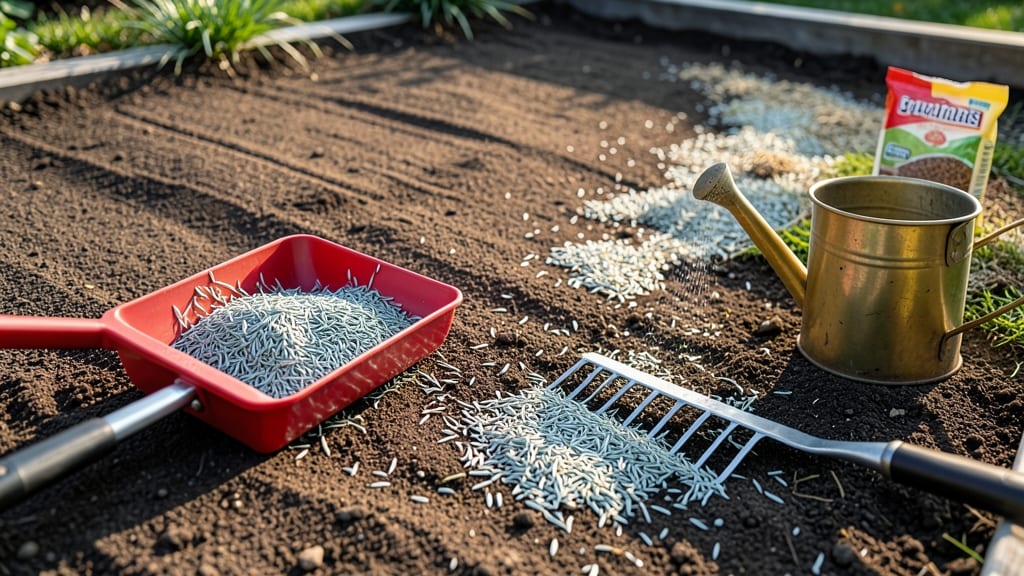
Fall is the perfect time to put grass seed down—when cool air and frequent rain create ideal conditions for germination. 🌱 I’ve overseeded my lawn in autumn for years, and the difference between a patchy spring lawn and a thick, green carpet by summer comes down to timing, soil prep, and patience.
The secret lies in the 6-week window before your first hard frost. Soil stays warm enough for seeds to sprout but cools quickly enough to prevent weed competition.
Choose a cool-season grass like fescue or ryegrass, and you’ll see roots establish deep before winter—giving you a head start on spring growth. Watering is where most people mess up: light, frequent soakings (twice daily for the first two weeks) keep seeds moist without washing them away.
A thin layer of straw mulch helps retain moisture and protects tender sprouts from late-season heat spikes. This method works whether you’re repairing bare spots or establishing a new lawn—just adjust your timing based on your zone. Let’s get those seeds in the ground before the first frost arrives!
📚 In This Guide
- What you need
- Instructions
- Tips and common mistakes
- Wrapping up and next steps
What you need
- ● Grass seed: Choose a cool-season variety (e.g., Kentucky bluegrass, fescue, or ryegrass). Aim for 5–10 lbs per 1,000 sq ft, depending on your lawn’s needs.
- ● Lawn fertilizer: A high-phosphorus blend (e.g., 16-20-8) to encourage root growth. Use ½–1 lb of nitrogen per 1,000 sq ft.
- ● Soil amendment: Compost or peat moss (1–2 inches) to improve soil texture and moisture retention.
- ● Rake: A bow rake (for leveling) and a garden rake (for seed distribution).
- ● Spreaders: Broadcast spreader (for even seed distribution).
- ○ Drop spreader (optional but helpful for precision).
- ● Water source: A hose with a sprinkler head or garden hose with adjustable nozzle (for gentle watering).
- ● Starter fertilizer: Boosts germination with added nutrients (follow package rates).
- ● Soil test kit: Check pH and nutrient levels before seeding (ideal pH: 6.0–7.0).
- ● Erosion control blanket: Useful for slopes to hold seed in place.
- ● Lawn roller: Lightly compact soil after seeding for better seed-to-soil contact.
- ● Gloves & knee pads: Protect your hands and knees during prep work!
Step-by-step instructions for planting fall grass seed
Fall is the perfect time to establish a lush lawn—here's how to do it right.
🌱 Step 1: Prepare the Soil for Seed Germination
Start by removing all existing weeds, rocks, and debris from your lawn area. I like to use a rake to pull up weeds by the roots—leaving any behind will compete with your new grass. Next, loosen the top 2-3 inches of soil with a garden fork or tiller. You want the soil to feel soft and crumbly, like cake batter, not hard like concrete.
Test the soil pH with a simple kit—ideal levels for most grass types are between 6.0 and 7.0. If your soil is too acidic, add lime according to package instructions. For alkaline soil, work in sulfur or peat moss to lower the pH. Once you've adjusted the soil, spread a ¼-inch layer of compost over the area and lightly rake it in to improve fertility.
💧 Step 2: Choose and Spread the Right Grass Seed
Pick a grass seed blend suited for your climate and sun exposure—cool-season grasses like fescue or ryegrass thrive in fall planting. For a 4,000-square-foot lawn, you'll need about 10-12 pounds of seed. I like to use a broadcast spreader for even coverage, but a simple hand spreader works too if you take your time.
Spread half the seed in one direction, then spread the remaining half perpendicular to the first pass. This cross-hatching ensures no bare spots. Lightly rake the area again to press seeds into the soil—just enough so they make contact but aren’t buried deeper than ¼ inch. If you bury them too deep, they won’t have enough energy to push through the soil.
☀️ Step 3: Water Consistently for Germination
The key to fall seeding is keeping the soil moist but not soggy. Water immediately after planting, then maintain 1 inch of water per week until germination. I set up a gentle sprinkler on a timer for 10-15 minutes daily—enough to keep the top 1-2 inches of soil damp. You’ll see the first green shoots in 7-14 days, depending on temperature and seed type.
Once the grass reaches 2-3 inches tall, reduce watering to ½ inch per week. Avoid heavy foot traffic until the grass is well-established—walking on new seedlings can uproot them. If rain provides some moisture, adjust your watering schedule to prevent overwatering, which can lead to fungal issues.
✂️ Step 4: Maintain and Protect New Growth
After 4-6 weeks, when the grass is 3-4 inches tall, mow it for the first time. Set your mower blade to 3 inches high—never remove more than ⅓ of the blade height at once. This helps the roots grow deeper and stronger. Keep mowing regularly to encourage a dense, healthy lawn.
Fall-seeded grass may go dormant in winter but will bounce back in spring. Apply a light layer of mulch (like straw) over seeded areas if your region experiences freezing temperatures to protect the young plants. In early spring, you can remove the mulch and resume normal lawn care once the grass starts greening up again.
Tips & tricks for perfect fall grass seed planting
Fall lawn success starts with these simple but game-changing strategies that'll help your grass establish strong roots before winter.
Soil Prep Secret: Don't just loosen the topsoil—think of it like fluffing a pillow for your seeds. After using your garden fork to aerate those 2-3 inches, run your fingers through the soil. It should crumble easily between your fingers, not feel compacted like wet sand. This texture gives young roots room to grow downward while keeping moisture near the surface where seeds need it most. If you're working with clay soil that's naturally dense, mix in some coarse sand or perlite to improve drainage.
Seed Distribution Technique: The cross-hatching method in Step 2 isn't just about coverage—it's about creating a uniform seed blanket. I've seen people miss this and end up with patchy lawns. Here's my trick: after your first pass, walk perpendicular to your first direction while spreading the second half. Then, take a step back and visually scan the area—you should see no bare soil showing through. For larger areas, consider marking a grid with spray paint to ensure you don't miss spots, especially along fence lines or property edges.
Watering Timing Tip: Those critical 10-15 minutes of daily watering matter more than you think. The best time to water is early morning (between 4-8 AM) when evaporation is lowest. I set my sprinkler for 10 minutes, then check the soil—if the top 1-2 inches are still damp, that's perfect. If it's dry, add another 5 minutes. Avoid evening watering as it can promote fungal growth. Pro tip: Collect rainwater in a barrel if possible—it's naturally softer than tap water and contains beneficial nitrogen from the air.
First Mowing Strategy: Waiting until the grass reaches 3-4 inches before that first mow is crucial, but timing your mow right after a rain shower gives you an extra advantage. The blades will be slightly softer and easier to cut cleanly. Set your mower blade to 3 inches and make sure it's sharp—dull blades tear grass instead of cutting cleanly, which stresses the plants. I like to mow when the grass is dry to avoid clumping, but never remove more than ⅓ of the blade height at once to prevent shock to the roots.
Pro Tips for Putting Grass Seed Down In Fall
- Fall lawn success starts with these simple but game-changing strategies that'll help your grass establish strong root...
- Soil Prep Secret: Don't just loosen the topsoil—think of it like fluffing a pillow for your seeds. After using your g...
- Seed Distribution Technique: The cross-hatching method in Step 2 isn't just about coverage—it's about creating a unif...
Frequently asked questions
Got questions about timing, prep, or troubleshooting? You’re not alone! Here are answers to the most common concerns about putting grass seed down in fall—so you can tackle your lawn with confidence.
When is the exact best time to plant grass seed in fall?
The ideal window is 4–6 weeks before your first hard frost (usually late September to early November, depending on your zone). This gives seeds time to germinate and establish roots before winter slows growth. Check your local frost dates—cool (50–65°F) but not freezing temps are perfect!
Will grass seed still grow if I plant it too late in fall?
If planted after the first frost, germination slows dramatically. However, seeds can still survive winter if they’re covered lightly (like with straw) and protected from freezing. For best results, aim to finish by early October in most climates. Late planting = weaker spring grass.
Do I need to rent a seed spreader, or can I just broadcast by hand?
Both work, but a spreader ensures even coverage and saves time. For small areas (under 1,000 sq. ft.), hand-broadcasting with a rake is fine—just overlap passes to avoid bare spots. Pro tip: Calibrate your spreader or use a grid method (walk in rows 1–2 ft apart) for consistency.
How do I keep critters (squirrels, birds, voles) from eating my grass seed?
Use seed protectors like straw mulch (1/4" layer) or erosion control blankets to deter nibblers. For voles/mice, sprinkle diatomaceous earth lightly around the edges. Avoid thick mulch—it can smother seeds. A light watering after planting also helps wash seeds into the soil faster.
What if my lawn looks patchy after planting? Can I fix it next spring?
Patchiness often means uneven seed distribution or soil contact. Rake seeds lightly into soil (1/4" deep) and water daily until germination. If gaps persist, overseed again in early spring (as soon as soil thaws). For stubborn bare spots, consider topdressing with compost to improve seed-to-soil contact.
Wrapping up and next steps
Fall is the perfect time to plant grass seed—cooler temps, fewer weeds, and ideal moisture create the ideal conditions for strong, frost-resistant roots. By following these steps, you’ll set your lawn up for a lush, vibrant spring and beyond.
Ready to take action? Grab your supplies, roll up your sleeves, and give your lawn the care it deserves—your future green oasis will thank you!
Next step: Mark your calendar for early fall (before the first frost) and start prepping your soil. Check local planting guidelines to ensure timing aligns with your climate. Happy seeding! 🌱✨