
Planting
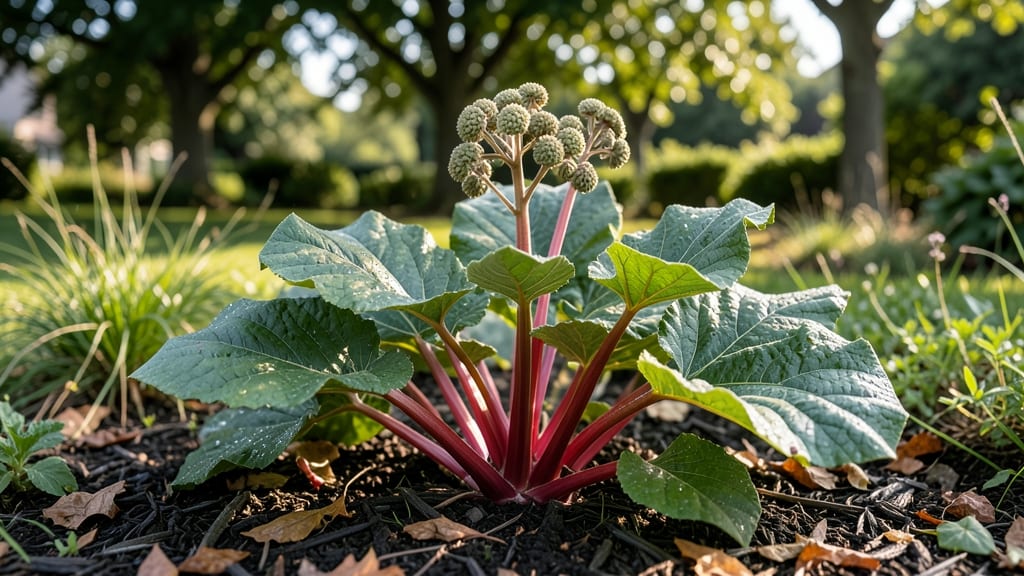
Extracting rhubarb seed pods is the first step to growing your own plants from scratch—something I only discovered after years of buying nursery crowns. 🌱 The process feels slow at first, but those tiny seeds hold the potential for decades of harvests, and the satisfaction of growing from seed is unmatched.
Most gardeners skip this method because it takes 3-4 years for seed-grown rhubarb to mature, but the payoff is worth it. You’ll start with seed pods in late summer, then nurture them through germination and into sturdy young plants that’ll eventually outperform store-bought crowns in flavor and hardiness.
The key is patience—seedlings grow slowly at first, but once established, they’ll reward you with bold red stalks every spring. Compared to division, this method gives you more genetic diversity, and you can experiment with heirloom varieties that aren’t sold commercially.
Here’s how to do it right, from harvesting ripe pods to transplanting seedlings strong enough to survive winter. Let’s get those seeds growing!
📚 In This Guide
- What you need
- Instructions
- Tips and common mistakes
- Wrapping up and next steps
What you need
- ● Mature rhubarb plant: Choose a healthy, disease-free plant with visible seed pods (typically found on Rheum rhabarbarum varieties).
- ● Seed pods: 3–5 ripe, plump pods (harvest when they turn brown and papery, usually late summer/early fall).
- ● Pruning shears or sharp knife: For cleanly removing pods without damaging the plant.
- ● Paper towels or coffee filters: 2–3 sheets for drying seeds.
- ● Small paper bags or envelopes: To store seeds in a cool, dry place.
- ● Seed-starting mix: 1–2 cups of sterile, well-draining potting soil (or coco coir for moisture control).
- ● Small pots or seed trays: 2–4 (3–4 inches deep) with drainage holes.
- ● Spray bottle: For gentle watering to avoid disturbing seeds.
- ● Plastic wrap or humidity dome: To create a mini greenhouse effect.
- ● Magnifying glass: For inspecting seed viability (look for plump, intact seeds).
- ● Grow lights: If starting indoors before the last frost (12–14 hours of light daily).
- ● pH test kit: To ensure soil pH is 6.0–6.8 (rhubarb prefers slightly acidic soil).
- ● Fertilizer (balanced 10-10-10 or compost): For transplanting seedlings (1 tbsp per pot).
- ● Label markers: To track seed varieties and planting dates.
Step-by-step guide to harvesting rhubarb seed pods for future growth
Here's how to collect and store rhubarb seed pods without harming your current harvest.
🌱 Step 1: Identify and Locate Mature Seed Pods
Rhubarb seed pods develop after flowering, typically in late spring to early summer. Look for green, elongated pods that hang beneath the plant's leaves—these are your targets. Each pod contains dozens of tiny seeds, but they won't be viable until fully mature, which takes about 6-8 weeks after flowering.
Gently run your fingers along the stems to feel for pods. They'll be slightly firm but not hard, and about 1-2 inches long. Avoid picking pods that are still forming or have turned brown—they won't produce good seeds. I usually wait until the pods start to dry slightly at the tips before harvesting, as this indicates peak seed maturity.
✂️ Step 2: Harvest Pods Without Damaging the Plant
Use clean, sharp pruning shears to snip the pods from the stem, leaving about ½ inch of stem attached. This prevents sap from oozing excessively and reduces stress on the plant. Work on a dry day when the pods are firm—wet conditions can encourage rot during storage.
Place harvested pods in a paper bag (not plastic) and store them in a cool, dry place for 1-2 weeks to fully dry. This drying process is critical—it ensures the seeds inside remain viable. I like to hang the bag in a well-ventilated area, like a basement or garage, where the temperature stays between 60-70°F.
🪴 Step 3: Extract and Store Seeds Properly
Once the pods are completely dry and brittle, gently crush them by hand or with a mortar and pestle to release the seeds. Sift the mixture through a fine mesh screen to separate seeds from chaff. Store the seeds in a small, airtight container—like a glass jar with a tight-sealing lid—inside the refrigerator for up to 1 year.
Label the container with the harvest date and rhubarb variety (if known). Seeds stored this way retain the highest viability. If you notice any mold or musty smells during storage, discard those seeds immediately—they won't germinate properly. For best results, sow seeds within 6 months of extraction.
☀️ Step 4: Prepare for Next Year’s Planting
In early spring, remove seeds from the refrigerator and let them sit at room temperature for 24 hours before planting. Rhubarb seeds germinate best in well-draining soil with full sun to partial shade. Sow seeds ¼ inch deep in rows spaced 6 inches apart, then cover lightly with soil.
Keep the soil consistently moist but not soggy until germination, which typically occurs in 2-4 weeks. Young seedlings are delicate, so avoid disturbing them until they reach 3-4 inches tall. Thin seedlings to 12 inches apart once they're established to give them room to grow into mature plants.
Tips & tricks for perfect rhubarb seed pod harvesting
Here's what nobody tells you about getting the most from your rhubarb seed pods without sacrificing next year's crop.
Timing Secret: The 6-8 week maturation window after flowering is critical—this is when seeds develop full viability. I learned this the hard way after harvesting too early and getting poor germination rates. Mark your calendar when you see the first flowers appear and count forward to know exactly when to harvest.
Harvest Technique: Those clean pruning shears aren't just for looks—they prevent crushing the delicate pods. I always sterilize my tools with rubbing alcohol first to avoid introducing pathogens to your plant. And remember, leaving that ½ inch of stem attached helps seal the wound faster, keeping your rhubarb healthier for next year's harvest.
Storage Wisdom: The 1-2 week drying period in a paper bag at 60-70°F is non-negotiable for seed viability. I've tried plastic bags, but they trap too much moisture and encourage mold. Pro tip: Poke a few small holes in the paper bag if your storage area is particularly humid—just enough to allow airflow without letting in pests.
Extraction Insight: When crushing those dry pods, work in small batches to avoid creating too much chaff at once. I use a clean coffee grinder for the final seed separation—it's faster than sifting and gives me cleaner seeds. Just be sure to clean it thoroughly between uses to prevent cross-contamination with other seeds.
Pro Tips for Rhubarb Plant Seed Pods
- Here's what nobody tells you about getting the most from your rhubarb seed pods without sacrificing next year's crop.
- Timing Secret: The 6-8 week maturation window after flowering is critical—this is when seeds develop full viability.
- Harvest Technique: Those clean pruning shears aren't just for looks—they prevent crushing the delicate pods.
Frequently asked questions
Got questions about harvesting rhubarb seed pods or growing new plants from them? You’re not alone! Here are some of the most common queries—and straightforward answers—to help you navigate the process like a pro.
Can I grow a new rhubarb plant from seed pods?
Yes! Rhubarb seed pods contain viable seeds that can germinate into new plants. However, the resulting plants may not be true to the parent variety in terms of color, size, or flavor. For consistent results, consider grafting or purchasing certified seedlings instead.
How long does it take for rhubarb seed pods to mature?
Seed pods typically mature 8–12 weeks after flowering, depending on your climate. They’ll turn from green to brown and split open when ready. Harvest them before they release seeds to avoid unwanted volunteers in your garden. Pro tip: Watch for pods that feel dry and papery to the touch!
What’s the best way to store rhubarb seeds for planting?
Extract seeds from mature pods and let them dry in a cool, dark place for 1–2 weeks. Store them in a sealed container with silica gel or in the fridge for up to 1 year. Label them clearly—rhubarb seeds stay viable longer than many other garden seeds!
Why aren’t my rhubarb plants producing seed pods?
Seed pods require healthy, mature plants (3+ years old) and proper care. Ensure your rhubarb gets full sun, well-draining soil, and consistent watering. Over-fertilizing (especially with nitrogen) can also suppress flowering. If your plant is young or stressed, give it time—pods may appear next season!
Are there alternatives to growing rhubarb from seed pods?
If you prefer a faster, more reliable method, try:
- Division: Split established rhubarb crowns in early spring.
- Grafting: Attach a scion from a desired variety to a rootstock.
- Buying seedlings: Nursery-grown plants guarantee variety consistency.
Wrapping up and next steps
Growing rhubarb from seed pods is a rewarding way to ensure next year’s vibrant blooms—no fancy tools or expertise required! 🌱 With patience and the right timing, you’ll unlock a fresh start for your garden while preserving your favorite variety.
Ready to take the next step? Mark your calendar for late summer or early fall to harvest those pods, then store them safely until planting season rolls around.
Now that you’re armed with tips and tricks, go ahead and give it a try—your future rhubarb plants will thank you!