
Lawn
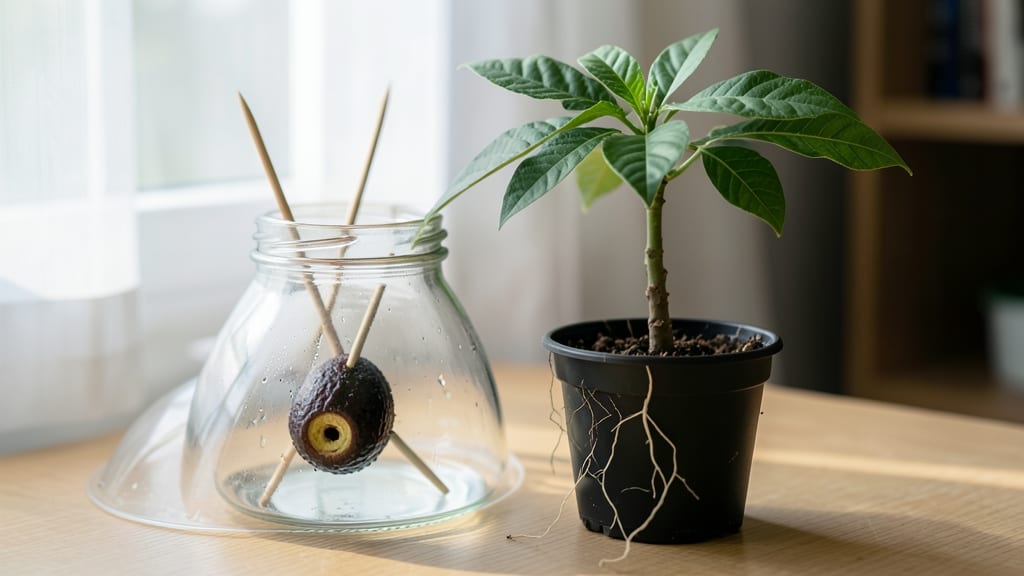
Rooting an avocado seed in water is the easiest way to grow your own houseplant from kitchen scraps. 🌱 I’ve tried this with kids and first-time gardeners—once you get past the waiting, it’s shockingly satisfying to watch those roots grow.
The key is patience and keeping the water fresh without drowning the seed.
You’ll need just three things: a fresh avocado seed (save the pit after eating), a glass or jar with water, and a little toothpick to keep it from floating away.
No soil, no fancy tools—just you, the seed, and a sunny windowsill. Most seeds sprout roots in 4-6 weeks, but some take longer, especially if the water gets stagnant.
Once you see 2-3 inch roots, it’s time to transition to soil. I recommend a mix of potting soil and perlite for drainage, and a small pot with drainage holes.
The first few weeks in soil are critical—keep it moist but not soggy, and watch for new leaves sprouting from the top.
Common mistakes? Overcrowding the jar or letting the water sit too long between changes. Mold is the biggest red flag—dump the water and rinse the seed if you see fuzz. With care, your seedling could grow into a 6-foot-tall avocado tree indoors (though fruit takes years!).
📚 In This Guide
- What you need
- Instructions
- Tips and common mistakes
- Wrapping up and next steps
What you need
- ● 1 ripe avocado – Choose a Hass avocado or any other variety for best results.
- ● 1 sharp knife or peeler – For carefully removing the seed.
- ● 1 toothpick or small skewer (3-4 inches long) – To suspend the seed in water.
- ● 1 clear glass or jar (16-20 oz capacity) – Large enough to submerge the seed’s bottom half.
- ● Room-temperature water – Tap water is fine, but avoid distilled or overly chlorinated water.
- ○ Optional: Food-grade hydrogen peroxide (3%) – A few drops can help prevent mold if needed.
- ● Patience and sunlight – A sunny windowsill or grow light for optimal growth.
- ● Potting soil (well-draining mix) – Once roots reach 3-4 inches, you’ll need this to transplant.
- ● Small pot (6+ inches wide) – With drainage holes for the seedling’s future home.
- ● Plant markers or labels – To track progress (and show off your green thumb!).
How to root an avocado seed in water: a foolproof guide
Here's the method I've used to grow over a dozen avocado trees—no special tools or green thumbs required.
🌱 Step 1: Prepare the Seed for Planting
Start with a fresh avocado pit—one that's firm but not rock-hard. Rinse it under cool water to remove any remaining fruit pulp. I like to scrub it gently with a soft brush to ensure no residue remains, as this can attract mold during rooting.
Next, insert 3-4 toothpicks evenly around the pit, about ½ inch from the top. These will suspend the seed in your water container without letting it sink completely. The toothpicks should be spaced evenly so the pit stays balanced—uneven spacing will cause it to tilt, which can lead to uneven root growth.
Here's the thing—don't skip the toothpicks. I tried skipping them once, and the pit sank to the bottom, creating a moldy mess in just 3 days. The toothpicks keep the seed stable and the lower portion submerged while the top stays dry.
💧 Step 2: Suspend the Seed in Water
Fill a small glass or jar with enough water to cover about 1 inch of the pit's bottom. The water level should never touch the top half of the seed—this keeps it dry and prevents rot. Place the toothpick-suspended seed in the water and adjust the toothpicks so the pit floats freely.
Change the water every 2-3 days to prevent bacterial growth. I use a small cup to pour out the old water and refill with fresh, room-temperature water. You'll see roots emerge from the bottom in about 2-4 weeks, but don't rush this—patience is key.
Watch for 1-2 inch roots before transplanting. If roots grow longer than 3 inches, they may become brittle and break easily during transfer. This is the moment that matters: roots should be sturdy but not overly long.
☀️ Step 3: Encourage Strong Root Growth
Place your avocado seed in a spot with bright, indirect light. A kitchen windowsill or under a grow light works perfectly. Direct sunlight can overheat the water and cause the seed to rot, while too little light slows root development.
You'll notice tiny white roots first—these are the primary roots that anchor the plant. Once they reach 1 inch in length, you can expect secondary roots to branch out. This is when the seed starts looking like a real plant rather than just a floating pit.
Don't overwater now. The toothpicks and water suspension system are designed to keep moisture consistent—adding extra water will drown the roots. If the water level drops too low between changes, simply top it off with a little more room-temperature water.
🪴 Step 4: Transplant to Soil When Ready
When roots reach 3-5 inches long and you see small bumps forming around the top of the pit (these are future leaves), it's time to plant. Fill a 6-inch pot with well-draining potting mix—avoid garden soil, which can compact and suffocate roots.
Dig a hole in the center of the pot, just deep enough to bury half of the pit. Gently remove the toothpicks and place the rooted seed into the hole. Press the soil lightly around the base to secure it, but don't pack it down too tightly. Water lightly until moisture seeps from the bottom of the pot.
Here's where it gets fun—watch the cotyledons pop through the soil after a few days. These are the first true leaves of your avocado tree. Keep the soil consistently moist but not soggy, and place the pot in bright, indirect light until new growth appears.
⏰ Step 5: Care for Your Young Avocado Tree
Once planted, your avocado tree will need bright, indirect light for 6-8 hours daily. A south-facing window or grow light setup works best. You'll see new leaves emerge within 2-4 weeks—that's your signal everything is working.
Water when the top 1-2 inches of soil feel dry. Overwatering is the biggest mistake here—avocado trees hate soggy roots. I like to stick my finger in the soil to check moisture levels before watering. If the soil feels damp, wait another day.
After 6 months, you can fertilize lightly with a balanced houseplant fertilizer. But hold off until you see steady new growth—young trees don't need much to thrive. With patience, your avocado tree can grow tall enough to produce fruit in 3-5 years.
Tips & tricks for perfect avocado seed root growth
Here's what nobody tells you about growing avocado trees from seed—these tricks will help you avoid the most common pitfalls and get stronger roots every time.
The Toothpick Placement: When inserting those 3-4 toothpicks in Step 1, space them evenly around the pit's equator—about ½ inch from the top. I learned this the hard way after my first pit tilted and grew unevenly. The toothpicks should form a perfect square or rectangle around the seed, not a triangle that would cause imbalance. Use toothpicks with flat sides for better grip, and trim them to uniform length before inserting.
Water Quality Matters: During the 2-3 day water changes in Step 2, use filtered or room-temperature tap water if possible. Chlorine can stress the developing roots, and cold water shocks the system. I keep a small pitcher of water at room temperature specifically for this purpose. The water should always be clean and clear—if it looks cloudy, change it immediately, even if you just changed it the day before.
Light Positioning: For Step 3's bright indirect light, place your seed near an east-facing window where it gets morning sun but avoids the intense afternoon heat. I've found that rotating the seed a quarter turn every few days helps roots grow more evenly around the pit. If using a grow light, keep it 6-12 inches above the water to prevent overheating. The ideal light should be bright enough to read by but not cause the water to steam.
Transplant Timing: The moment you see those 3-5 inch roots in Step 4, don't wait another day! I've seen roots become so long they break during transplanting. When roots reach 3 inches, start preparing your soil mix and pot. The key is to transplant when roots are sturdy but before they become brittle. After transplanting, place the pot in a humidity dome or cover it with a plastic bag for the first week to help the seed adjust to its new environment.
Pro Tips for Rooting An Avocado Seed In Water
- Here's what nobody tells you about growing avocado trees from seed—these tricks will help you avoid the most common pitfalls and get stronger roots every time.
- The Toothpick Placement: When inserting those 3-4 toothpicks in Step 1, space them evenly around the pit's equator—about ½ inch from the top.
- Water Quality Matters: During the 2-3 day water changes in Step 2, use filtered or room-temperature tap water if possible.
Frequently asked questions
Got questions about growing an avocado tree from a seed? You’re not alone—this fun project sparks curiosity! Here are answers to the most common queries to help you succeed without the guesswork.
How long does it take for an avocado seed to sprout roots?
With patience, you’ll see tiny white roots in 2–6 weeks, depending on seed health and conditions. Keep the seed in warm water (70–80°F) and change it every 2–3 days. Roots may grow faster if the seed stays submerged but doesn’t rot—aim for 1–2 inches of root length before transplanting.
What if my avocado seed isn’t sprouting roots?
Don’t worry—seeds can be stubborn! First, check for softness or mold (a sign of rot). If the seed feels firm, try these fixes:
- Soak it in fresh, warm water for 24 hours.
- Use a toothpick to poke tiny holes in the seed (helps oxygen flow).
- Place it near a sunny window (indirect light is key).
Can I root an avocado seed without water?
Yes! While water is the easiest method, you can also try:
- Paper towel method: Wrap the seed in a damp towel and place it in a sealed bag (check daily for moisture).
- Soil direct planting: Bury the seed halfway in moist potting mix (roots may take longer to appear).
How long until my avocado seed grows into a full tree?
Rooting is just the first step! Here’s the timeline:
Stage
Timeframe
Roots appear
2–6 weeks
Transplant to soil
After 2+ inches of roots
First leaves
4–8 weeks after transplanting
Mature tree (fruit-bearing)
5–13 years! (Patience is key!)
Will my avocado tree grow fruit?
Yes, but it’s a long game! Avocado trees from seeds are not guaranteed to produce fruit—some never do—but with care, yours might bear fruit in 5–13 years. For faster results, consider grafting (a more advanced technique). Even if it doesn’t fruit, the tree makes a stunning indoor plant!
Wrapping up and next steps
Rooting an avocado seed in water is a rewarding, beginner-friendly project that brings a touch of nature indoors—and yes, you can grow a thriving houseplant from a simple pit! 🌱 With patience, consistency, and a little care, your seedling could sprout roots in as little as 6 weeks, setting the stage for a future avocado tree.
Once your roots reach 2-3 inches, it’s time to transplant into soil and watch your green thumb grow stronger.
Ready to take the next step? Grab your sprouted seed, a pot of well-draining soil, and start nurturing your tiny tree. Who knows? You might just grow the next big avocado grove—one seed at a time! 🌿