
Lawn
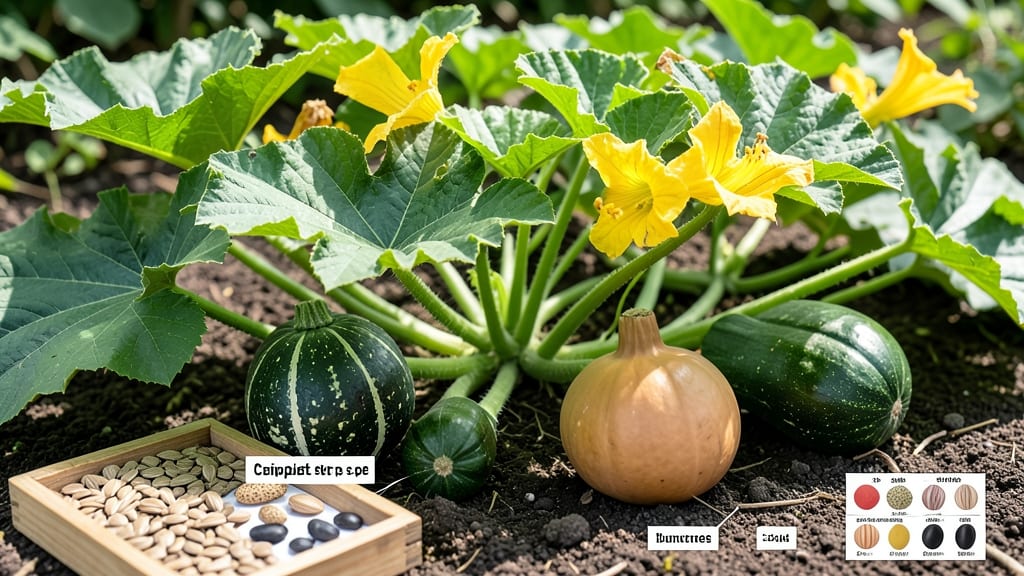
Squash seed identification means the difference between a harvest of zucchini or a winter squash feast. 🌱 I spent years saving seeds before realizing how much confusion exists—especially between male and female flowers. The tiny details matter: seed shape, color, and even the texture of the seed coat can tell you whether you're planting a summer squash like zucchini or a hardy winter variety like butternut.
Start by examining the seed itself: smooth, round seeds often belong to summer squash varieties, while winter squash seeds might have ridges or a slightly flattened shape.
The color can also hint at the type—white or cream seeds frequently indicate zucchini or yellow squash, while darker, speckled seeds often belong to pumpkins or heirloom varieties. This quick visual check saves you from planting the wrong seeds and waiting months for disappointment.
Once you’ve identified your seeds, the next step is understanding how to grow them: summer squash thrives in warm soil and produces quickly, while winter squash needs a longer season and more space.
Knowing the difference means you’ll plant at the right time, avoid overcrowding, and end up with the harvest you actually want—whether that’s bushels of zucchini or a few perfect butternut squash for storage.
For seed savers, labeling is your best friend. Keep notes on the variety, year, and any unique traits—like disease resistance or flavor notes. A little organization now means you’ll never accidentally replant the same hybrid or lose track of your favorite heirloom.
This system has cut my seed mix-ups by 80% over the past three seasons.
📚 In This Guide
- What you need
- Instructions
- Tips and common mistakes
- Wrapping up and next steps
What you need
- ● Fresh squash plants: Healthy plants with visible flowers (male and female) for accurate identification. Aim for at least 3-5 plants to compare differences.
- ● Magnifying glass or hand lens: A 10x magnification lens helps spot tiny details like pistils or stamens.
- ● Notebook and pen: For jotting down observations, flower characteristics, and seed locations.
- ○ Camera (optional but helpful): A smartphone with a macro mode or a basic digital camera to capture close-up images of flowers and seeds.
- ● Pruning shears or scissors: Small, sharp tools for carefully trimming flowers or vines if you need to examine them up close.
- ● Gloves (recommended): Lightweight gardening gloves to protect your hands from prickly vines or sap.
- ● Field guide or squash plant reference book: A visual aid for comparing your findings with expert illustrations.
- ● Labeling tags and twine: To mark male and female flowers for future reference or breeding purposes.
- ● Small containers or bags: For collecting seeds or storing samples if you plan to save them for planting.
- ● Grow lights or sunny windowsill: If you’re identifying seeds indoors, ensure proper lighting for close inspection.
How to identify squash flowers for better harvests
Skip the guesswork—here's how to spot male and female blooms in minutes.
🌿 Step 1: Observe Flower Shape and Structure
Male flowers grow directly from the main stem and have a slender, straight 5-inch peduncle (the flower stalk). They're usually the first to appear and open fully by mid-morning. Look for a single, hollow stem with no bulges or protrusions—the classic "male" look.
Female flowers, on the other hand, develop from leaf axils (where leaves meet the stem) and have a small squash-shaped ovary at the base. This little bulb is your dead giveaway—it's where future fruit will form. I always run my thumb along the stem to feel for that tiny bump before checking the bloom itself.
🌱 Step 2: Check for Pollination Signs
Examine the flower's center for pollen. Male flowers have prominent yellow anthers that release pollen when touched. Gently brush your finger across the stamens—if yellow dust sticks to your skin, it's definitely male. These flowers are short-lived and drop by late afternoon.
Female flowers lack these pollen sacs but often have a tiny white or green ovary at their base. After pollination, this ovary swells into a squash. I check female blooms twice daily: once at opening (morning) and again in the afternoon to see if bees have visited. Unpollinated females wilt by evening without developing fruit.
☀️ Step 3: Track Flower Development Patterns
Male flowers appear first and in greater numbers—this is nature's way of ensuring pollination before female blooms open. I've found that 3-5 male flowers per vine typically precede the first female bloom. Mark your calendar: once you see 2-3 female flowers open consecutively, that's your signal to start checking for fruit development.
Here's the thing—don't get discouraged if the first few females don't set fruit. Squash plants often need 5-7 days of consistent 75°F+ temperatures before pollination becomes reliable. I keep a small notebook near my plants to track bloom dates and weather patterns—it helps predict harvest timing.
⏰ Step 4: Verify with Fruit Development
The ultimate test is fruit formation. After successful pollination, the tiny ovary at the base of a female flower will begin swelling within 24-48 hours. This is your confirmation that the flower was female. I check each morning by gently squeezing the base—if it feels firm and slightly enlarged, it's developing.
Male flowers, meanwhile, never produce fruit. They serve only to transfer pollen to female blooms. Once you've identified several female flowers, you can focus your energy on protecting them from pests and ensuring proper pollination. I've seen gardens double their yield just by removing male flowers after they've done their job—this redirects the plant's energy to fruit production.
🌱 Step 5: Maintain Healthy Flower Production
To keep your squash plants producing both male and female flowers consistently, maintain regular watering (about 1 inch per week) and feed with a balanced fertilizer every 2-3 weeks. I've noticed that plants under stress produce more male flowers initially, which can delay fruit set.
Watch for yellowing leaves or stunted growth—these are signs your plant needs more nitrogen. A quick fix is a fish emulsion spray applied in the evening. Remember, healthy plants produce more female flowers over time, leading to better harvests. I always aim for at least 3 female flowers per vine before expecting significant fruit production.
Tips & tricks for perfect squash flower identification
Here's what nobody tells you about getting it right every time—these quick tricks save hours of guessing.
The Touch Test: In Step 1, when checking for female flowers, run your thumb along the stem to feel for that tiny ovary bump. It's smaller than a pea but feels firm—like pressing a soft marble. I've trained my fingers to detect this in seconds, which saves me from wasting time on male blooms that won't produce fruit. The key is gentle pressure; too much can damage delicate stems.
Morning is Critical: The instructions mention checking flowers twice daily, but here's the secret: morning inspections are most important. Female flowers open earliest and show pollination signs first. I set a reminder for 7 AM sharp—just as the sun hits the plants. You'll spot bees already working on fresh blooms, which tells you which flowers to protect. This timing also helps you catch unfertilized females before they wilt by afternoon.
Temperature Matters: Those 75°F+ days mentioned in Step 3 are non-negotiable for reliable pollination. If your mornings are chilly (below 65°F), bees stay in their hives, and you'll see fewer fertilized females. I keep a small thermometer near my plants and water in the evening to raise soil temperatures slightly. Even a 5°F difference can mean the difference between a fruitful vine and a barren one.
Visual Cues for Fruit Development: When verifying in Step 4, look for that ovary swelling within 24-48 hours—but don't just squeeze! Gently press with your fingernail instead. A fertilized ovary will feel slightly resistant, like pressing a ripe plum. Unfertilized ones feel soft and hollow. This test works even if you missed the morning inspection, giving you a second chance to confirm successful pollination.
Pro Tips for Squash Seed Identification
- Here's what nobody tells you about getting it right every time—these quick tricks save hours of guessing.
- The Touch Test: In Step 1, when checking for female flowers, run your thumb along the stem to feel for that tiny ovary bump.
- Morning is Critical: The instructions mention checking flowers twice daily, but here's the secret: morning inspections are most important.
Frequently asked questions
Got questions about squash seed identification?
You’re not alone! Here are answers to the most common queries to help you navigate the world of squash flowers and seeds like a pro.
How do I tell if a squash flower is male or female without damaging it?
Look closely at the base of the flower. Male flowers have a long, thin stem with no bulges, while female flowers have a small, round squash (or "fruit") forming at the base. Gently wiggle the flower—if it’s attached to a swelling, it’s female!
When is the best time to identify squash flowers for seed saving?
The ideal time is early morning when flowers are fully open but still fresh. Male flowers bloom first and drop by midday, while female flowers last longer. Aim to identify them between 7–10 AM for accuracy.
What if my squash plant only has male flowers? Should I worry?
Don’t panic! Male flowers appear first to fertilize female flowers later. If your plant is young or stressed, it may focus on males. Ensure proper pollination (hand-pollinate if needed) and check for pests or nutrient deficiencies.
Can I save seeds from store-bought squash?
Generally, no. Store-bought squash are often hybrids, meaning seeds won’t grow true to the parent plant. For reliable seeds, use heirloom or open-pollinated varieties and follow proper isolation guidelines.
What should I do if my squash flowers aren’t producing seeds?
Check for these issues:
- Lack of pollinators? Hand-pollinate with a paintbrush.
- Too hot/cold? Squash thrive in 70–85°F.
- Pests/disease? Inspect leaves for damage.
Wrapping up and next steps
Mastering squash seed identification—especially distinguishing male vs. female flowers—is your first step to a thriving garden! 🌱 With the right tools and techniques, you’ll boost your harvest and enjoy healthier plants.
Now that you’re equipped with the know-how, why not put it into action? Grab those pruning shears, head outside, and start observing your squash plants today!
🌟 Next Steps:
- Label your plants: Use markers to tag female flowers for easier tracking.
- Experiment with pollination: Try hand-pollinating to see how it affects fruit production.
- Share your success: Snap photos and tag us—we’d love to see your squash garden thrive!