
Lawn
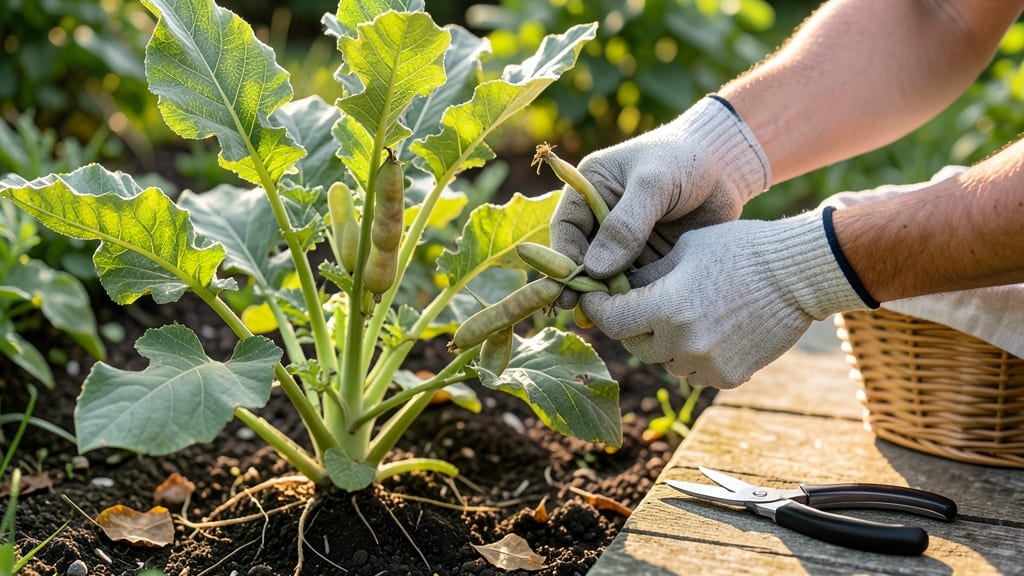
Harvesting turnip seed pods saves you money and gives you control over next season’s crop. 🌱 The trick is knowing when to pick them—wait until the pods turn brown and dry on the plant, but before they crack open on their own.
One wrong twist, and those seeds scatter like confetti. You’ll need sharp scissors or pruners, paper bags for drying, and a cool, dry spot to cure the pods for 2-3 weeks. The goal is to preserve seed viability while preventing mold or pests from ruining your harvest.
Properly dried pods keep seeds good for 3-4 years if stored in airtight containers. Once dry, gently rub the pods between your hands to release the seeds—no need for fancy tools. Sift out debris, and you’re ready to plant.
These seeds can go straight into the soil, just like store-bought ones, but with the bonus of being fresh and adapted to your climate. This method works for any turnip variety, from classic white globe to spicy Daikon.
Just remember: patience pays off when those first seedlings pop up next spring, ready to outperform anything from a seed packet.
📚 In This Guide
- What you need
- Instructions
- Tips and common mistakes
- Wrapping up and next steps
What you need
- ● Mature turnip plants – Choose healthy, disease-free plants with fully developed seed pods (typically 45–60 days after flowering). Aim for at least 5–10 plants to ensure a good seed yield.
- ● Pruning shears or sharp scissors – For cleanly snipping seed pods without damaging the stem. Sterilize with rubbing alcohol before use.
- ● Paper bags or breathable mesh bags – 5–10 bags, labeled with the turnip variety and harvest date. Avoid plastic to prevent mold.
- ● Drying tray or screen – A flat, elevated surface (like a wooden rack or wire mesh) to air-dry pods. Size should fit your harvest volume.
- ● Fine-mesh sieve or colander – For separating seeds from dried pod debris.
- ○ Paper towels or silica gel packets (optional) – To speed up drying in humid climates.
- ● Seed catalog or notebook – To track varieties, germination rates, and notes on next year’s planting.
- ● Desiccant packets – For long-term seed storage to prevent moisture buildup.
- ● Hand lens or magnifying glass – To inspect seed quality before storage.
- ● Spray bottle with water – For lightly misting pods if your climate is too dry during drying.
How to harvest turnip seed pods without breaking them
Here’s my foolproof method for collecting turnip seeds—no wasted pods, no frustration.
🌱 Step 1: Let Pods Fully Mature on the Plant
Turnip seed pods need time to harden and dry on the plant before harvesting. Wait until the pods turn from green to a deep, papery brown—this usually happens 8-10 weeks after flowering begins. If you pick them too early, the seeds inside won’t be viable.
Check pods daily during the last week. A mature pod will feel dry and papery when gently squeezed—it won’t give or feel spongy. If you find any pods that split open or release seeds on their own, harvest those immediately to avoid losing them to birds or wind.
✂️ Step 2: Cut Pods Cleanly With Pruners or Scissors
Use clean, sharp pruners or scissors to snip the pods from the stem. This prevents crushing or tearing, which can damage the seeds inside. Hold the pod firmly with one hand while cutting just above the stem attachment point—never twist or pull. Twisting risks breaking the pod and scattering seeds.
Work on a dry day when the pods are completely dry. If the stems are wet, the pods may stick or tear when you try to cut them. Lay a clean towel or paper beneath the plant to catch any pods that might drop unexpectedly.
🪴 Step 3: Dry Pods Thoroughly Before Opening
Spread the harvested pods in a single layer on a dry, well-ventilated surface—like a mesh screen or a cardboard box with holes. Keep them in a cool, dry place (around 60-70°F) for 1-2 weeks. This ensures any remaining moisture evaporates completely before you open them.
Check the pods daily for mold or soft spots. If you notice any dampness or musty smells, spread them out again or move them to a drier location. Once the pods feel completely dry and brittle, they’re ready for seed extraction.
💧 Step 4: Extract Seeds Gently to Avoid Damage
Place a dry pod on a clean cutting board or paper towel. Hold it firmly and gently twist (just enough to pop it open) or use a small knife to make a tiny slit along the seam. Avoid pressing too hard—you want the pod to release seeds naturally, not crumble.
Empty the seeds into a bowl and inspect them for debris. Discard any blackened, shriveled, or discolored seeds—they won’t sprout. Store the viable seeds in a paper envelope (not plastic) in a cool, dark place until next planting season.
⏰ Step 5: Store Seeds Properly for Next Year
Label your seed envelope with the turnip variety and the harvest date. Store it in a dry, cool spot (like a seed vault or airtight container with silica gel packets). Turnip seeds stay viable for 3-4 years if kept dry and protected from pests.
Check the seeds annually for signs of moisture or pests. If you notice any musty smells or mold, transfer them to a fresh envelope immediately. Proper storage ensures you’ll have fresh, high-quality seeds ready for your next planting season.
Tips & tricks for perfect turnip seed pod harvesting
Took me a while to figure these out, so here's how to avoid the common pitfalls when harvesting turnip seed pods.
Timing is Everything: The 8-10 week maturation period is critical—don't rush it! I learned this the hard way after harvesting premature pods that crumbled when I tried to open them. Check daily during the last week by gently squeezing: mature pods should feel dry and papery, not at all springy. If you find any pods that have already split open, harvest those immediately to prevent seed loss from birds or wind.
Equipment Matters: Sharp pruners or scissors are non-negotiable for Step 2. Dull tools will crush the pods, damaging the seeds inside. I keep a small pair of clean pruners dedicated just for seed harvesting. Work on dry days when pods are completely dry—wet stems make pods stick and tear. A clean towel beneath the plant catches any pods that might drop unexpectedly.
Drying Strategy: The 1-2 week drying period in Step 3 is where most people go wrong. I spread my pods on a mesh screen in my garage (around 70°F) and check them daily. If you notice any dampness or musty smells, move them to a drier location immediately. Proper drying prevents mold and ensures the pods become brittle enough to open without crumbling.
Seed Extraction Technique: When you're ready to open the pods in Step 4, the key is gentle pressure. I place each pod on a paper towel and either gently twist or make a tiny slit with a small knife. Avoid pressing too hard—you want the seeds to release naturally, not have the pod crumble. Discard any blackened or shriveled seeds immediately as they won't sprout.
Pro Tips for Turnip Seed Pods
- Took me a while to figure these out, so here's how to avoid the common pitfalls when harvesting turnip seed pods.
- Timing is Everything: The 8-10 week maturation period is critical—don't rush it!
- Equipment Matters: Sharp pruners or scissors are non-negotiable for Step 2.
Frequently asked questions
Got questions about harvesting turnip seed pods? You’re not alone! Here are the most common queries—plus practical answers to help you save seeds like a pro.
Why do turnip seed pods twist before they’re ready?
Turnip seed pods twist (a process called dehiscence) to release seeds naturally. If they twist too early, it’s often due to overcrowding, drought, or heat stress. To prevent premature twisting, thin plants early in the season and ensure consistent moisture. If pods twist before maturity, you can still harvest seeds—just collect them carefully before they fully dry on the plant.
When is the best time to harvest turnip seed pods?
Harvest pods when they’re dry, brown, and slightly papery—usually 4–6 weeks after flowering. If you wait too long, seeds may scatter. For best results, pick pods on a dry day and lay them out to finish drying in a well-ventilated area. Pro tip: Shake a mature pod over a bowl—if seeds rattle inside, it’s ready!
Can I save seeds from store-bought turnips?
Technically yes, but it’s not recommended for home gardeners. Store-bought turnips are often hybrid varieties (F1 hybrids) that won’t produce true-to-type seeds. For reliable results, save seeds from heirloom or open-pollinated turnips grown in your garden. If you must try, pick organic, non-hybrid varieties and follow proper drying/storage steps.
How do I store turnip seeds for next season?
Store seeds in a cool (35–40°F), dry place in an airtight container (like a sealed jar or envelope). Label with the variety and date! Viability lasts 2–4 years if stored properly. Freezing isn’t necessary—just keep them away from moisture and light. For extra protection, add a silica gel packet to absorb humidity.
What if my seed pods mold or rot before drying?
Mold or rot usually means high humidity or poor airflow during drying. To fix this, spread pods in a single layer on a tray with a fan nearby (not directly blowing on them). Avoid damp conditions—if pods feel damp, let them dry longer. If mold appears, discard the batch and try again with fresh pods. Prevention tip: Harvest pods early in the morning when dew is lowest!
Wrapping up and next steps
Harvesting turnip seed pods with care ensures a bountiful, twist-resistant crop and reliable seeds for next season’s garden.
By using the right tools—like pruners, seed envelopes, and drying racks—and following proper drying and storage techniques, you’ll preserve viability and quality. Your efforts today will pay off with stronger, healthier plants tomorrow!
Ready to plant the seeds of success? Start small—try harvesting a few pods this season, experiment with drying methods, and track your progress. Before you know it, you’ll be a turnip seed-saving pro! 🌱