
Propagation
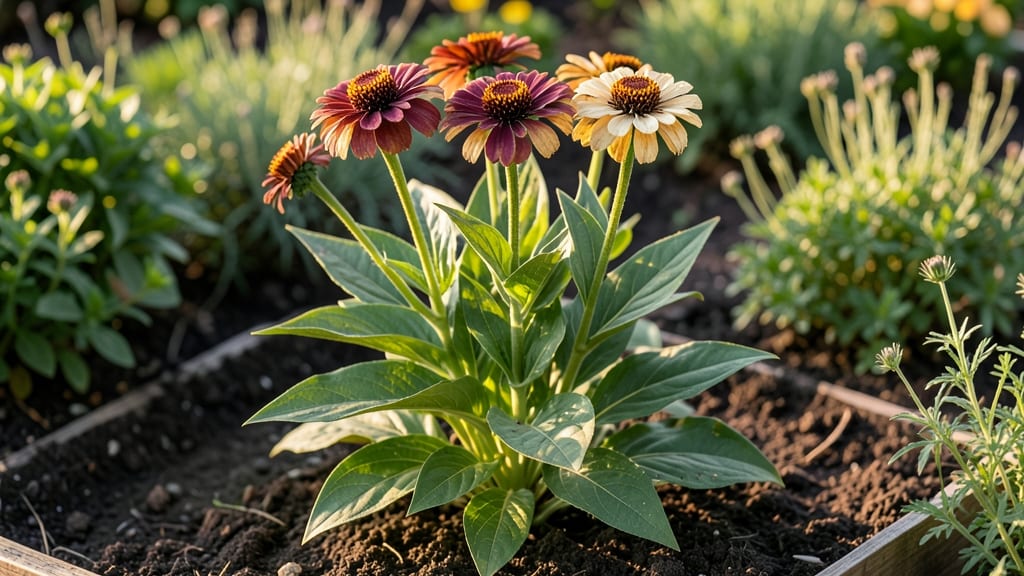
Growing zinnias from seed to bloom means 60 days of vibrant color without the fuss of cuttings or transplants. 🌻 I’ve turned my sunniest patch into a rainbow of zinnias every summer by sticking to just three simple rules: timing, warmth, and patience.
The first flush of petals arrives like clockwork when you follow these steps—no green thumb required.
Start indoors 4-6 weeks before your last frost, using seed-starting mix and planting seeds just ¼ inch deep. Zinnias crave sunlight, so move seedlings outside only after nighttime temps stay above 50°F.
The trick to sturdy stems? Thin seedlings to 12 inches apart once they’re 3 inches tall—crowding leads to leggy, floppy plants that fight for light.
By day 45, you’ll see buds forming like tiny pom-poms, and within a week, those buds burst into blooms that last until frost. The secret? Water at the base (never overhead) and feed with a balanced fertilizer every 4-6 weeks.
Deadhead spent blooms to encourage nonstop reblooming—my zinnias stay cheerful from July through October.
This method works whether you’re growing in full sun garden beds or containers on a balcony. The only real mistake? Starting too early in cold climates.
Adjust timing based on your zone, and you’ll have a parade of zinnias that outshine anything from the florist. Let’s get those seeds planted!
📚 In This Guide
- What you need
- Instructions
- Tips and common mistakes
- Wrapping up and next steps
What you need
- ● Zinnia seeds: Choose heirloom or hybrid varieties (e.g., 'Benary’s Giant', 'Profusion', or 'Crystal'). Buy 1 packet (50-100 seeds) for a full season of color.
- ● Seed-starting mix: A sterile, well-draining potting mix (e.g., Pro-Mix or a 50/50 blend of peat moss and perlite). Use 1 small bag (8-12 qt) for starting seeds.
- ● Containers: Seed trays with individual cells (2-3 inches deep) or biodegradable pots (2-3 inches in diameter).
- ● 1-2 trays (50-100 cells) or 20-30 pots for optimal spacing.
- ● Grow lights or sunny windowsill: A full-spectrum LED grow light (12-16 hours/day) or a south-facing window with 6+ hours of sunlight.
- ● Watering can or spray bottle: A fine-mist sprayer for gentle watering.
- ● Fertilizer: A balanced, water-soluble fertilizer (5-10-5 or 10-10-10) or compost tea for organic options.
- ● Garden beds or containers: Zinnias thrive in full sun (6+ hours/day). Use 1-2 garden beds (3x3 ft each) or large pots (12+ inches deep) with drainage.
- ● Well-draining soil: Amend garden soil with compost (1-2 inches) or use a potting mix with perlite.
- ○ Mulch (optional but recommended): Straw or shredded leaves (1-2 inches) to retain moisture and suppress weeds.
- ● A seedling heat mat (if starting indoors in cool climates).
- ● Plant labels to track varieties.
- ● Pruning shears for deadheading spent blooms.
- ● Insecticidal soap or neem oil (to combat aphids or spider mites).
Step-by-step instructions for growing zinnias from seed to bloom
Here’s the straightforward method I’ve used for years to get bold, long-lasting zinnias from seed—no fuss, no waiting months.
🌱 Step 1: Start Seeds Indoors or Direct-Sow After Frost
Zinnias thrive when sown directly in the garden after your last frost date—4-6 weeks before summer heat. If you’re in a short season, start seeds indoors 6-8 weeks before transplanting using biodegradable pots to avoid root disturbance. Fill containers with seed-starting mix and plant seeds ¼ inch deep, spacing them ½ inch apart.
Press the seeds gently into the soil—don’t bury them deeper, or they’ll struggle to emerge. Keep the soil consistently moist (not soggy) by misting lightly daily. Germination takes 5-14 days at 70-75°F. If you’re sowing outdoors, wait until soil warms to 60°F—cold soil slows germination and invites rot.
☀️ Step 2: Provide Full Sun and Gradually Acclimate Seedlings
Zinnias need 6+ hours of direct sun daily—they won’t bloom well in shade. If starting indoors, move seedlings outside 2-3 weeks before transplanting for 2-3 hours daily, gradually increasing exposure. This process, called hardening off, prevents shock and leggy growth.
Watch for first true leaves (the second set after the initial cotyledons) to appear—this means roots are established. Once seedlings are 2-3 inches tall with 3-4 leaves, transplant them 12-18 inches apart in well-draining soil. Space rows 18-24 inches apart for airflow and easy maintenance.
💧 Step 3: Water Deeply and Fertilize for Strong Stems
Water zinnias at the base 1 inch per week, letting the top 1-2 inches of soil dry between waterings. Overhead watering promotes mildew, so use a drip system or water early in the morning. Avoid wetting foliage—zinnias are prone to powdery mildew in humid conditions.
Feed seedlings with a balanced liquid fertilizer (10-10-10) when they’re 4-6 inches tall, then switch to a low-nitrogen, high-phosphorus fertilizer (5-10-10) once buds form. Too much nitrogen produces lush foliage but fewer blooms. Pinch back the tips of young plants to encourage bushier growth—this step is key for compact, sturdy stems that support heavy flowers.
✂️ Step 4: Deadhead and Support for Continuous Blooms
Deadheading—removing spent blooms—is the secret to nonstop zinnias. Snip off faded flowers with clean scissors just above a set of leaves. This redirects energy to new buds, extending the blooming season by 4-6 weeks. I do this every 2-3 days during peak bloom to keep plants productive.
Tall varieties like ‘Benary’s Giant’ need staking or support. Install 3-4 foot stakes or a cage at planting time to avoid damaging roots later. If you miss this, use soft ties or tomato cages to prop up stems as they grow—zinnias grow fast, and leggy stems can flop under the weight of blooms.
🌿 Step 5: Harvest and Extend the Season
Cut zinnias in the morning when buds are fully open but before they wilt. Use sharp shears to avoid crushing stems, and harvest every 2-3 days for the longest vase life. Place stems in warm water immediately—they drink up moisture fast.
To prolong blooming, remove the first flush of flowers in early summer and let the plant focus on root and stem growth. By late summer, zinnias will reward you with another wave of blooms. In cooler climates, zinnias are annuals, but in zones 8-11, they self-seed prolifically—just leave a few spent heads on the plant for next year’s crop.
Tips & tricks for perfect zinnia blooms
Here's what nobody tells you about growing zinnias—these little details make all the difference between average flowers and showstopping blooms.
Soil Temperature Secret: That 60°F soil temperature threshold isn't just arbitrary—it's when zinnia seeds finally wake up from dormancy. I've learned this the hard way after planting too early in cool springs. Use a soil thermometer to confirm warmth before sowing outdoors. For indoor starters, maintain that 70-75°F range consistently—any cooler and germination slows dramatically.
Hardening Off Hack: The 2-3 hour daily outdoor exposure during hardening off might seem short, but it's about gradual acclimation. Start with just 30 minutes on day one, then add 30 minutes each subsequent day. This prevents transplant shock and encourages stronger stems. Watch for seedlings that look slightly wilted after their first outing—that's normal and means they're adjusting.
Fertilizer Timing: The switch from 10-10-10 to 5-10-10 fertilizer isn't just about numbers—it's about growth stages. The higher phosphorus in the second fertilizer (5-10-10) specifically promotes root and flower development. I've seen zinnias with buds but no blooms when gardeners keep using high-nitrogen fertilizer too long. Make that switch when you see the first buds forming, not when the plants are still all leaves.
Deadheading Discipline: Those 2-3 day deadheading intervals might seem frequent, but consistency is key. I keep a small pair of scissors by my gardening chair and do this first thing in the morning. The energy redirected from spent blooms goes straight to new buds, which is why you'll see continuous flowering. If you skip even one day during peak bloom, you'll notice fewer new flowers appearing within a week.
Pro Tips for Zinnias From Seed To Bloom
- Here's what nobody tells you about growing zinnias—these little details make all the difference between average flowe...
- Soil Temperature Secret: That 60°F soil temperature threshold isn't just arbitrary—it's when zinnia seeds finally wak...
- Hardening Off Hack: The 2-3 hour daily outdoor exposure during hardening off might seem short, but it's about gradual...
Frequently asked questions
How long does it take for zinnia seeds to germinate?
Zinnia seeds typically sprout in 5–10 days if kept warm (70–75°F) and moist. For faster results, pre-soak seeds for 1–2 hours before planting. If germination takes longer than 2 weeks, check soil moisture or seed viability—some seeds may need a fresh start!
Can I plant zinnia seeds directly in the garden, or should I start indoors?
Both work! For a head start, sow seeds indoors 4–6 weeks before your last frost. However, zinnias thrive in warm soil, so many gardeners prefer direct sowing after all danger of frost has passed (when soil is at least 60°F). They’re tough and adaptable—either way, you’ll get blooms!
Why aren’t my zinnia seeds sprouting? Troubleshooting tips?
If seeds aren’t germinating, try these fixes:
- Check soil temperature: Zinnias need warmth—use a heat mat if soil is too cool.
- Ensure moisture: Keep soil consistently damp (not soggy) until sprouts appear.
- Test seed viability: Old seeds may fail—try fresh ones or soak a few in water overnight to check for plumpness.
- Light exposure: Seeds need sunlight to germinate; don’t bury them too deep (¼ inch max).
How do I keep zinnias blooming all season long?
Deadhead spent blooms regularly (every few days) to encourage new flowers. Also:
- Fertilize lightly with a balanced 10-10-10 mix every 3–4 weeks.
- Water at the base (not leaves) to prevent mildew.
- Pinch back leggy stems early to promote bushiness.
What’s the best zinnia variety for beginners?
Start with ‘Benary’s Giant’ (tall, showy blooms) or ‘Thumbelina’ (compact, great for containers). Both are disease-resistant, easy to grow, and perfect for cutting or garden beds. Avoid fussy heirlooms like ‘Crystal’ until you’ve mastered the basics!
Wrapping up and next steps
Growing zinnias from seed to bloom is a rewarding journey that delivers vibrant, long-lasting flowers with minimal effort—perfect for beginners and seasoned gardeners alike! 🌸 With the right soil, sunlight, and a little patience, you’ll enjoy a burst of color in just 60 days.
Now that you’re armed with tips and troubleshooting advice, why not expand your garden?
Try experimenting with different zinnia varieties, or share your newfound skills with a fellow gardening enthusiast. Happy planting—your future blooms are waiting! 🌱✨