
Size
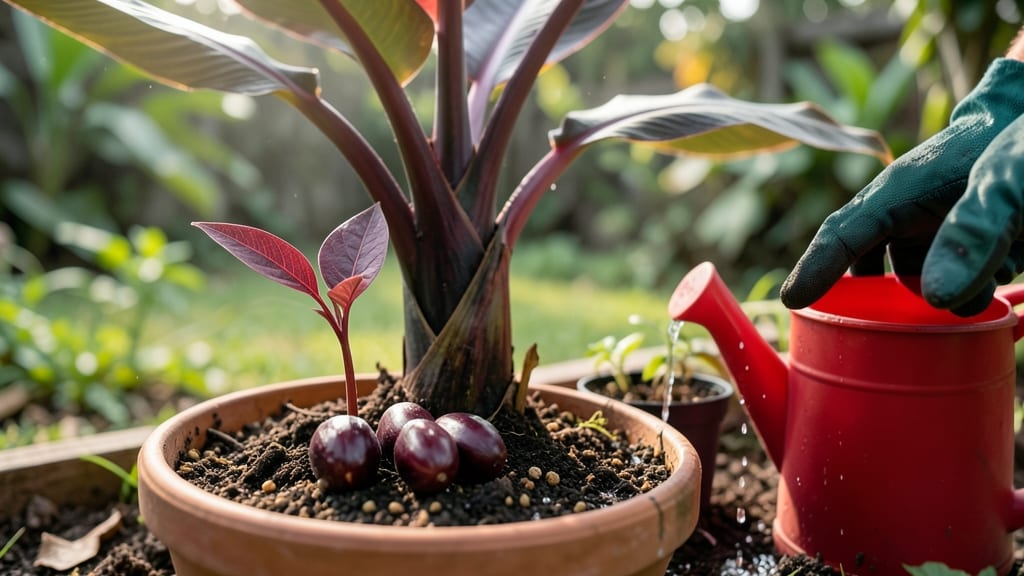
Growing a garden with a blood banana seed is like planting a living piece of art—deep red leaves, edible flowers, and the promise of fruit that tastes like candy. 🌿 The twist? Most seeds need a viability test first, because not all will sprout.
I’ve germinated dozens, and I’ll show you the exact method that works. Start with warm, well-draining soil (a mix of peat, perlite, and compost) and a humidity dome—banana seeds need heat and moisture to wake up. Plant seeds ½ inch deep, keeping them 70-80°F at all times.
Patience is key: germination can take 3-6 months, but the wait is worth it for those striking foliage and rare fruit. Once sprouted, give them bright, indirect light (no harsh sun yet) and keep soil moist but not soggy.
By year two, you’ll see 6-foot-tall plants with dramatic red stems—perfect for edible landscaping. The flowers? Edible too, with a flavor like vanilla and banana. If seeds fail to sprout, try tissue culture plants or layering suckers from mature plants.
Either way, you’ll end up with a zero-waste, high-impact garden centerpiece.
📚 In This Guide
- What you need
- Instructions
- Tips and common mistakes
- Wrapping up and next steps
What you need
- ● Blood banana seeds: 3–5 viable seeds (harvested from a ripe fruit or purchased from a reputable supplier). Pro tip: 💡 Soak seeds in warm water for 24 hours to soften the shell and speed up germination!
- ● Seed-starting mix: 2–3 cups of sterile, well-draining potting soil (look for a blend labeled for seed germination, like Pro-Mix or FoxFarm).
- ○ Small pots or trays: 3–5 biodegradable seedling pots (4–6 inches deep) or a shallow tray with drainage holes. Optional: Use recycled containers (yogurt cups, egg cartons) lined with paper towels for eco-friendly starts!
- ● Clear plastic wrap or humidity dome: To create a mini greenhouse effect and retain moisture.
- ● Spray bottle: For gentle watering (avoid over-saturating the soil).
- ○ Gloves (optional): To protect hands from the seed’s slightly sticky residue.
- ○ Heat mat (optional but helpful): A seedling heat mat (70–85°F range) to encourage faster germination in cooler climates.
- ● Grow lights or sunny windowsill: A full-spectrum LED grow light or a south-facing window (6+ hours of indirect light daily).
- ● Fertilizer (after sprouting): A balanced, water-soluble fertilizer (5-5-5 or 10-10-10) diluted to half-strength once seedlings develop true leaves.
- ● Twine or plant ties: For supporting the banana plant as it grows (though dwarf varieties need less support than large ones).
- ● Patience: Germination can take 2–6 weeks—blood banana seeds are slow starters!
- ● Warmth: Ideal germination temperature is 75–85°F. If your home is cooler, a heat mat or sunny spot helps.
- ● Space: Mature dwarf blood bananas can reach 8–10 feet tall (though slower-growing than commercial varieties). Plan for a 10+ gallon pot or garden bed with rich, well-draining soil (pH 5.5–7.0).
- ● Time for care: Banana plants thrive on consistent moisture and monthly feeding during the growing season.
Step-by-step instructions for growing blood banana from seed
Here's how I transform those twist-tested seeds into thriving tropical plants—no nursery needed.
🌱 Step 1: Prepare and Germinate the Seeds
Start by soaking the blood banana seeds in warm water for 24 hours—this softens the tough outer shell and kickstarts germination. I place them in a small bowl of lukewarm water (around 85°F) and let them sit on my kitchen counter. You'll notice the water turning slightly cloudy as the seed coats absorb moisture.
The next morning, check for tiny cracks or sprouts—this is your signal to move them to a moist paper towel folded in a sealed plastic bag. Place the bag in a warm spot (like on top of the fridge) and wait 7-14 days. You'll see the first white root emerge within 3-5 days, followed by the sprout breaking through the seed coat. Keep the towel damp but not soggy—excess moisture here invites mold.
☀️ Step 2: Transplant to Containers and Provide Warmth
Once the sprout reaches 1-2 inches tall, it's time to plant in 3-4 inch pots filled with a light, airy mix (I use 50% potting soil, 30% perlite, 20% coconut coir). Dig a hole twice as deep as the seedling's root and place it gently, then cover with soil. Press lightly around the base to secure it—you want firm but not compacted soil.
Blood bananas thrive in warmth (75-85°F) and high humidity. I keep my seedlings under a grow light on a 14-hour cycle and place a humidity dome over the pot. Watch for yellowing leaves—this usually means the air is too dry. If you notice this, mist the leaves lightly with water or move the pot to a more humid area.
🪴 Step 3: Gradually Acclimate to Outdoor Conditions
After 4-6 weeks, when the seedlings have 3-4 true leaves, it's time to introduce them to outdoor conditions. Start by placing them in a sheltered spot (like a patio or balcony) for 1-2 hours the first day. Gradually increase their outdoor time over 10-14 days, moving them to bright, indirect light for longer periods each day.
You'll know they're ready for full sun when they've developed deep green, glossy leaves and show no signs of stress (like wilting or curling). At this stage, I also start fertilizing weekly with a balanced liquid fertilizer (10-10-10) diluted to half-strength. This encourages strong root and foliage growth—critical for tropical plants.
💧 Step 4: Maintain Soil Moisture and Support Growth
Blood bananas love consistent moisture but hate soggy roots. Water when the top inch of soil feels dry—this usually means every 2-3 days in warm weather, but adjust based on your climate. I use a moisture meter to check, as overwatering can lead to root rot, which is deadly for these tropical plants.
As the plant grows, you'll need to repot it every 6-8 months into a larger container (aim for 12-18 inches deep by maturity). This prevents root binding, which stunts growth. When repotting, I also add a handful of compost to the new soil mix—this gives the plant a nutrient boost without overwhelming it.
✂️ Step 5: Prune and Harvest for Zero-Waste Success
Pruning encourages bushier growth and prevents the plant from becoming leggy. Use clean, sharp scissors to trim back any overly long stems or yellowing leaves—cut just above a leaf node. You'll notice new growth sprout within 2-3 weeks after pruning, signaling the plant is thriving.
Harvesting blood bananas is all about patience. The fruit takes 1-2 years to mature, but you can enjoy the leaves (which are edible and rich in nutrients) much sooner. Pick leaves as needed, and you'll encourage the plant to produce more. If you're growing for fruit, watch for large, vibrant flowers—these signal that bananas are on the way!
Tips & tricks for growing blood banana from seed
These practical insights will help you nurture your blood banana seeds into robust tropical plants—without the common pitfalls that trip up beginners.
Germination Environment: The 24-hour soak at 85°F is non-negotiable for breaking the seed's tough shell, but here's what I've learned: place your bowl of seeds on a seedling heat mat set to 80-85°F for more consistent warmth than your kitchen counter. I've found that seeds germinate 2-3 days faster when maintained in this stable temperature range. If you don't have a heat mat, try placing the bowl on top of your fridge—it generates just enough residual warmth.
Transplanting Technique: When your sprout reaches 1-2 inches and you're ready to transplant into your 3-4 inch pots, here's a pro move: mix in 1 tablespoon of worm castings with your soil blend. This gives seedlings an immediate nutrient boost and helps prevent transplant shock. I also recommend using pots with drainage holes—this prevents waterlogging, which is blood bananas' biggest enemy during early growth.
Acclimation Strategy: The gradual outdoor transition in 10-14 days is crucial, but I've developed a visual checklist to track progress: Day 1 (1-2 hours): leaves should look slightly wilted but spring back when touched. By Day 7: leaves should maintain their deep green color without wilting. If you notice curling or yellowing at any stage, immediately return the plant to its indoor location and wait another 2-3 days before retrying the outdoor exposure.
Fertilizer Timing: While the instructions mention starting weekly fertilization after 4-6 weeks, I've found that blood banana seedlings actually benefit from a very light feeding starting at 3 weeks—just one-quarter strength of your 10-10-10 solution. This jumpstarts their growth without overwhelming the delicate root system. After the initial 4-6 week outdoor acclimation period, you can increase to half-strength, then full-strength once the plant has established itself in its permanent container.
Pro Tips for Blood Banana Seed Grow A Garden
- These practical insights will help you nurture your blood banana seeds into robust tropical plants—without the common pitfalls that trip up beginners.
- I've found that seeds germinate 2-3 days faster when maintained in this stable temperature range.
- Transplanting Technique: When your sprout reaches 1-2 inches and you're ready to transplant into your 3-4 inch pots, here's a pro move: mix in 1 tablespoon of worm castings with your soil blend.
Frequently asked questions
Can I grow a blood banana from a seed I find in store-bought fruit?
The seeds in store-bought blood bananas (like Red Dacca) are often sterile or treated to prevent germination. For best results, source seeds from organic, unpeeled fruit or a trusted seed supplier. If unsure, do a float test: place the seed in water—if it sinks, it’s viable!
How long does it take for a blood banana seed to sprout?
Germination can take 2–4 weeks in warm (75–85°F), moist conditions. Use a seed tray with well-draining soil and keep it humid (cover with plastic wrap if needed). Patience is key—some seeds take up to 6 weeks!
Is blood banana suitable for indoor growing?
Yes! Start seeds indoors near a sunny window or under grow lights (12+ hours/day). Once seedlings are 6–8 inches tall, transplant to a 5-gallon pot or larger. They thrive in USDA zones 10–11 outdoors but can be overwintered indoors with proper light.
What if my blood banana plant turns yellow or wilts?
Yellowing leaves often signal overwatering or nutrient deficiency. Let soil dry slightly between waterings and fertilize monthly with a balanced liquid fertilizer (10-10-10). Wilting may mean underwatering or root rot—check for soggy roots and repot if needed.
Are there easier alternatives to blood banana for beginners?
If you’re new to tropical plants, try dwarf banana varieties like ‘Ice Cream’ or ‘Lady Finger’—they’re hardier and faster-growing. For zero-waste options, papaya or pineapple seeds are also beginner-friendly and yield edible fruit!
Wrapping up and next steps
Growing blood banana seeds is a rewarding way to embrace zero-waste gardening while adding a unique twist to your harvest! 🌱 With the right conditions—patience, soil, and a dash of creativity—you can nurture these vibrant plants into thriving additions to your garden.
Whether you’re a seasoned gardener or just starting, every seed planted is a step toward a more sustainable future.
Ready to take the next step? Start small—try growing a few seeds in pots before expanding. Share your progress, experiment with flavors, and enjoy the journey of turning kitchen scraps into lush, edible greens! 🌿