
Lawn
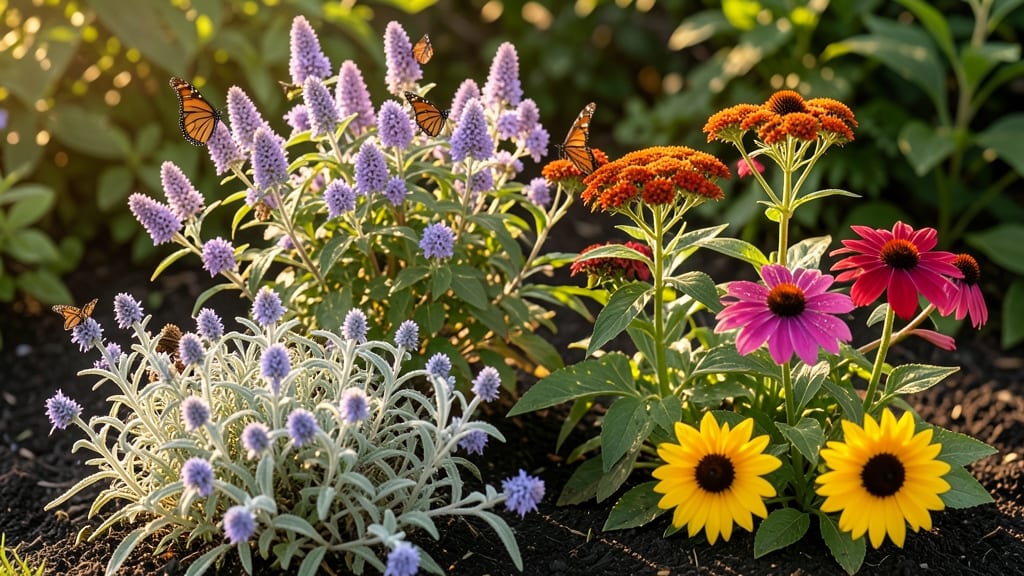
Your butterfly garden seed mix transforms a patch of earth into a fluttering, jewel-toned haven that even the most casual gardener can create. 🌸 I’ve watched my own backyard go from a quiet corner to a buzzing, colorful spectacle in just a few weeks after planting this simple mix—no fancy landscaping required.
The magic lies in the blend of native wildflowers and grasses that butterflies instinctively seek out. You’ll attract monarchs, swallowtails, and fritillaries with their bright orange, purple, and yellow blooms, while also supporting bees and hummingbirds. The best part?
These plants thrive with minimal care once established, making them perfect for busy gardeners or beginners. By late summer, you’ll have a garden that hums with activity, where every visit feels like a celebration.
The mix includes self-seeding annuals and perennial favorites that multiply year after year, ensuring your pollinator paradise keeps growing without extra effort. Whether you’re planting a small windowsill container or a full sun-drenched border, this seed mix adapts to any sunny spot.
Pair it with a shallow water source—like a saucer of pebbles—and watch your garden become a lifeline for local pollinators.
📚 In This Guide
- What you need
- Instructions
- Tips and common mistakes
- Wrapping up and next steps
What you need
- ● Butterfly garden seed mix: 1–2 lbs (depending on garden size; check packet for coverage details). Opt for native wildflowers like milkweed, coneflowers, or black-eyed Susans for maximum pollinator appeal.
- ● Garden soil: Well-draining, loamy soil (amend with compost if your soil is heavy or sandy). A 50-gallon bag is ideal for most small-to-medium gardens.
- ○ Compost or organic fertilizer: 1–2 cups (optional but recommended for nutrient boost). Look for a balanced 10-10-10 or phosphorus-heavy blend (e.g., 5-10-10) to support root growth.
- ● Watering can or hose: With a gentle spray nozzle for even moisture distribution.
- ○ Gloves and knee pads: For comfort during planting (optional but highly recommended!).
- ● Hand trowel or garden fork: For loosening soil and creating seed furrows.
- ● Ruler or measuring tape: To mark planting rows (1/4–1/2 inch deep for most seeds).
- ● Mulch (straw or shredded leaves): 1–2 inches thick to retain moisture and suppress weeds.
- ○ Bird feeders or predator deterrents: Optional but helpful if birds or deer frequent your garden.
- ● Label tags: To track seed varieties (especially useful for larger gardens!).
Step-by-step instructions for creating a thriving butterfly garden
Here's how to transform any sunny patch into a vibrant magnet for pollinators—no green thumb required.
🌱 Step 1: Select and Prepare Your Planting Site
Choose a location with at least 6 hours of direct sun daily—butterflies need warmth to thrive. I always scout for spots with existing native plants first; their roots improve soil structure naturally. Clear any weeds or grass within a 4-foot radius using a hoe or garden fork, being careful not to disturb the soil too deeply.
Test your soil's drainage by digging a 6-inch deep hole and filling it with water. If it drains within 2 hours, your site is perfect. If water pools, amend the soil with 2 inches of compost and 1 inch of coarse sand to improve aeration. Butterflies prefer loose, well-draining soil where their host plants can establish strong roots.
🌿 Step 2: Plant Your Butterfly Garden Seed Mix
Scatter the seeds evenly across the prepared area, following the spacing guidelines on your packet—typically 12-18 inches apart for most butterfly-friendly flowers. I like to use a simple trick: divide the area into 4-foot squares and count out seeds for each section to ensure even distribution. Press seeds lightly into the soil with your fingers or a small board, just enough to cover them with ¼ inch of soil.
Water gently but thoroughly after planting, using a watering can with a fine rose attachment to avoid dislodging seeds. Keep the soil consistently moist—not soggy, not bone-dry—until seedlings emerge, which usually takes 7-21 days depending on the species. You'll know you've got it right when the soil surface looks slightly damp but doesn't glisten with excess water.
☀️ Step 3: Maintain for Continuous Blooms and Pollinators
Once your plants reach 4-6 inches tall, begin a regular watering schedule that keeps the top 2 inches of soil consistently moist. Butterflies are drawn to gardens with continuous blooms, so I recommend deadheading spent flowers weekly to encourage new growth. Use clean, sharp scissors to snip off faded blooms just above a set of healthy leaves—this prevents the plant from directing energy toward seed production.
Apply a balanced organic fertilizer (10-10-10 ratio) every 6-8 weeks during the growing season to support robust flowering. I like to fertilize in the early morning when temperatures are cooler, as this reduces stress on the plants. Avoid over-fertilizing—too much nitrogen results in leafy growth at the expense of flowers, which is exactly what you don't want in a butterfly garden.
✂️ Step 4: Seasonal Care for Year-Round Success
In late fall, after the first frost, cut back all plants to 2-3 inches above ground level using clean pruners. This prevents disease and makes it easier to identify new growth in spring. I always mark the planting area with small stakes to avoid disturbing the roots when I return in the following season. Add a 2-inch layer of mulch around plants to protect roots from freezing temperatures and retain moisture.
Come spring, remove the mulch and check for any winter survivors. If you notice any plants struggling, give them a boost by applying a compost top-dressing. Butterflies often return to the same garden year after year, so maintaining healthy, established plants ensures they'll keep visiting. Watch for new blooms in 4-6 weeks—that's when you'll see the real magic happen as pollinators rediscover your garden.
Tips & tricks for creating a thriving butterfly garden
Small adjustments can turn your garden from decent to spectacular for pollinators—here's how to maximize every step.
Sunlight Strategy: The 6 hours of daily sun is non-negotiable for butterfly activity, but I've found that adding a reflective surface like a white garden stone near the planting area can extend effective sunlight exposure by up to 30 minutes. Place it strategically to bounce light onto shaded edges during morning hours when butterflies are most active. This simple trick helps plants grow stronger and attracts more visitors early in the day.
Soil Preparation Secret: When amending your soil with 2 inches of compost and 1 inch of coarse sand, mix them thoroughly but don't over-till. I use a broadfork to aerate just the top 6 inches of soil—this preserves beneficial soil organisms while improving drainage. The key is creating pockets of air rather than turning the soil into a compacted mass, which butterflies' host plants absolutely thrive in.
Planting Precision: For that ¼ inch soil coverage over seeds, I've found using a fine-mesh screen as a stencil works wonders. Lay it over your planting area, sprinkle seeds through the holes, then gently press the screen into the soil. When you lift it away, you'll have perfectly spaced seeds with consistent coverage. This method saves time and creates uniform germination patterns that butterflies love to navigate.
Watering Wisdom: The 7-21 day germination window can feel like forever, but I've learned to check soil moisture by lifting a small clump—it should crumble easily when dry between fingers. For container gardens, I use self-watering trays to maintain that "slightly damp but not glistening" moisture level automatically. This consistency is what triggers those first crucial blooms that attract butterflies within 4-6 weeks.
Pro Tips for Butterfly Garden Seed Mix
- Small adjustments can turn your garden from decent to spectacular for pollinators—here's how to maximize every step.
- Place it strategically to bounce light onto shaded edges during morning hours when butterflies are most active.
- Soil Preparation Secret: When amending your soil with 2 inches of compost and 1 inch of coarse sand, mix them thoroughly but don't over-till.
Frequently asked questions
Got questions about creating your own butterfly garden?
You’re not alone! Here are answers to the most common queries to help you grow a thriving pollinator paradise with ease.
When is the best time to plant a butterfly garden seed mix?
The ideal time depends on your climate! In most regions, spring (after the last frost) or early fall (6-8 weeks before the first frost) are perfect. For warm climates, plant in late winter or early spring. Check your seed packet for specific guidelines—some varieties germinate faster in warmer soil!
How much water do butterfly garden seeds need?
Keep the soil consistently moist (not soggy!) until seeds germinate, which usually takes 7–21 days. After sprouting, water 1–2 inches per week, focusing on the base of plants. Drip irrigation or soaker hoses work best to avoid wetting leaves, which can attract pests.
Can I plant a butterfly garden in containers or small spaces?
Use large pots (12+ inches deep) or window boxes with well-draining soil. Choose compact varieties like lantana, butterfly weed, or Mexican sunflower. Just ensure containers get at least 6 hours of sunlight daily and are placed where butterflies can visit easily.
What should I do if my seeds aren’t germinating?
First, check for consistent moisture and warmth—seeds need both to sprout. If planted too deep, they may struggle; most butterfly-friendly seeds should be ¼ inch below soil. Try lightly scratching the seed coat (with sandpaper) or soaking overnight for hard-to-germinate varieties. If all else fails, test a new packet or consult your local nursery for tips!
Are there annuals vs. perennials in butterfly garden mixes?
Most mixes blend both! Annuals (like cosmos or zinnias) bloom fast and attract butterflies immediately, while perennials (e.g., milkweed or coneflower) return yearly with minimal effort. Read the label—some mixes are 100% annuals for quick color, while others prioritize long-term pollinator support.
Wrapping up and next steps
Creating a butterfly garden seed mix is more than just a gardening project—it’s a chance to nurture beauty, support pollinators, and connect with nature. With the right seeds, soil, and a little patience, you’ll transform your outdoor space into a vibrant haven that butterflies, bees, and hummingbirds will adore. 🌸
Ready to take the next step? Start small—even a sunny windowsill or balcony planter can make a difference! Research local native plants to maximize impact, and don’t forget to share your progress with fellow gardeners.
Every seed you plant is a ripple of hope for our winged friends. Happy gardening! 🌿