
Propagation
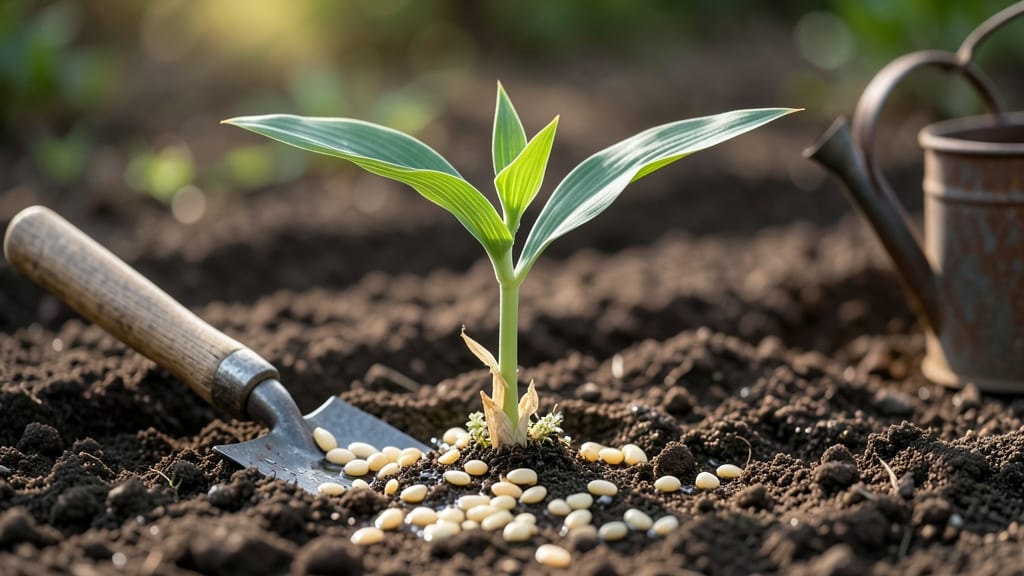
The time it takes for corn seed germination can surprise even seasoned gardeners—5 to 14 days under perfect conditions—but getting there takes the right setup. 🌱 I’ve watched impatient gardeners dig up seeds too soon only to find them still dry, while others wait weeks past germination because they missed the subtle signs. The difference? Soil temperature, moisture, and variety all play a role in speeding up (or slowing down) those first green shoots.
Most sweet corn varieties need soil at 60–85°F to germinate, which means waiting until nighttime temps stay above 50°F before planting. Too cool, and seeds rot; too hot, and they dry out.
I’ve learned the hard way—last spring, my early planting sat in 45°F soil for two weeks before finally pushing through. The fix? Use a seedling heating mat if your climate runs chilly, or plant deeper (2 inches) in warmer soil to protect them.
By day 7, you’ll spot tiny white roots breaking through the seed coat, and by day 10, those first leaves should crack the soil surface. Speed this up by soaking seeds overnight before planting and keeping the soil moist but not soggy—a spray bottle works best for precision.
If germination stalls after two weeks, check for rot (smells sour) or depth issues (seeds planted too deep suffocate).
Once those first shoots appear, thin to 1 inch apart and watch them grow into 6-foot stalks in just 60–90 days. The key? Patience and consistency—corn doesn’t rush, but with the right prep, you’ll have ears ready to harvest before summer’s over.
📚 In This Guide
- What you need
- Instructions
- Tips and common mistakes
- Wrapping up and next steps
What you need
- ● Corn seeds: Choose high-quality, non-GMO seeds (e.g., Sweet Corn, Field Corn, or Dent Corn). Quantity: 10–20 seeds per experiment (adjust based on container size).
- ● Germination container: Option 1: Paper towels (2–3 sheets per batch) or seedling trays (with drainage holes).
- ● Option 2: Plastic or glass container (e.g., takeout tray or mason jar) with a lid for humidity.
- ● Spray bottle (16 oz) filled with room-temperature water (avoid tap water if chemically treated).
- ● Grow lights or sunny windowsill: Ensure 6–8 hours of warmth (70–85°F) and indirect light.
- ○ Thermometer (optional but helpful for tracking soil/air temp).
- ● Seedling heat mat (for faster germination in cooler climates).
- ● Humidity dome or plastic wrap to retain moisture.
- ● pH test kit (to check soil/water pH, ideal: 6.0–7.0).
- ● Notebook & pen to track germination time by variety.
- ● Small shovel or tweezers for delicate seed placement.
How to time corn seed germination like a Pro
Here's how I get corn seeds sprouting faster—variety by variety—so you can plan your planting schedule with confidence.
🌱 Step 1: Understand Your Corn Variety's Germination Timeline
Germination times vary wildly between sweet corn, field corn, and popcorn. Sweet corn typically sprouts in 7-14 days at ideal temperatures, while field corn can take 10-21 days—especially if planted early when soil is still cool. Popcorn usually falls in the middle at 8-16 days. Check your seed packet for exact numbers, but know that cooler soil slows everything down.
Here's the thing—most seed packets list germination ranges assuming 60-70°F soil temperatures. If your spring soil runs cooler (which it often does), add 3-5 extra days to those estimates. I test soil temp with a cheap digital thermometer buried 2 inches deep—that's where seeds actually germinate. Anything below 50°F and you're better off waiting.
🌡️ Step 2: Optimize Soil Temperature for Faster Sprouting
Corn seeds need warm soil to germinate efficiently. If your spring soil is still chilly, create a warm bed by covering the planting area with black plastic mulch for 1-2 weeks before planting. This raises soil temps by 10-15°F and cuts germination time by nearly half. I like to lay the plastic down 3-4 days before planting so it warms up properly.
For container starts, use a seedling heat mat set to 75-85°F—this is the sweet spot for corn germination. You'll see sprouts appear in 5-7 days instead of the usual 10-14. Just don't leave it on after germination—corn seedlings can overheat once they break through the soil.
⏰ Step 3: Time Planting for Maximum Germination Success
Plant corn seeds 1-2 inches deep and 3-4 inches apart in rows 24-36 inches apart—this spacing gives roots room to establish before thinning. The key timing trick? Plant when soil temps hit 60°F consistently for 5 days straight. I use a soil thermometer to confirm—no guessing.
Here's where variety matters: Sweet corn planted too early in cool soil often develops fuzzy, weak seedlings that never recover. Field corn is more resilient but still benefits from warm soil. If you're in a short-season area, consider using a quick-germinating hybrid like 'Silver Queen' (7-10 days) instead of slower varieties.
💧 Step 4: Monitor Moisture Without Overwatering
Corn seeds need consistent moisture to germinate, but soggy soil suffocates them. Water the planting area deeply the day before sowing, then lightly after planting—just enough to moisten the top ½ inch of soil. After that, keep soil evenly moist (not soggy) until germination. You'll know moisture is right when the soil surface looks slightly damp but not glistening.
I use a rain gauge to track watering—corn needs about 1 inch of water per week during germination. Too much water causes seeds to rot before sprouting, while too little leads to weak, stunted seedlings. If rain is forecast, hold off on watering until after the storm passes.
🌱 Step 5: Watch for Sprouts and Adjust Care
Germination begins when you see the radicle (tiny white root) push through the seed coat—this happens 2-3 days before the shoot emerges. True sprouts appear as thin, pale green shoots breaking through the soil surface. At this stage, thin seedlings to 8-12 inches apart in rows 30-36 inches apart for optimal growth.
If sprouts take longer than expected, check for damping-off (a fungal disease that causes seedlings to collapse). This looks like blackened stems at soil level. To prevent it, avoid overhead watering and ensure good air circulation. If you see signs, sprinkle compost tea around the base of seedlings to boost natural defenses.
Tips & tricks for perfect corn seed germination timing
These little-known tricks will help you get those sprouts popping faster—and with fewer surprises—no matter which corn variety you're growing.
Soil Temperature is Everything: I can't stress this enough—corn seeds are picky about warmth. The ideal soil temperature range of 60-70°F is where germination happens most efficiently. If your soil thermometer reads below 50°F, your seeds might never make it. I've seen seeds planted in cool soil take two weeks longer to sprout than the packet promises. For container starts, a seedling heat mat set to 75-85°F cuts germination time nearly in half, but remove it once sprouts appear to avoid overheating.
Black Plastic Mulch Hack: This is my secret weapon for spring planting. Lay down black plastic mulch 3-4 days before planting to warm the soil by 10-15°F—that's enough to shave 3-5 days off germination time. Just remember to poke holes for drainage and remove it after planting. I've used this trick to get sweet corn sprouting in 7 days instead of the usual 10-14 when soil temps were borderline.
Moisture Balance is Critical: Too much water drowns seeds, but too little stunts growth. After planting, water just enough to moisten the top ½ inch of soil—think "slightly damp, not glistening." I use a rain gauge to track weekly watering: 1 inch during germination. If rain is forecast, hold off until after the storm. The key is keeping that soil evenly moist without creating a swamp. You'll know you've got it right when the soil surface stays dark but doesn't shine.
Watch for the Radicle: Germination actually begins 2-3 days before you see the shoot emerge. Look for the radicle—that tiny white root pushing through the seed coat. This is your early warning system that sprouts are on their way. Once you spot this, you can start adjusting your care routine. I've caught early sprouts this way and prevented damping-off by moving them to better-drained areas before they emerged fully.
Pro Tips for Corn Seed Germination Time
- These little-known tricks will help you get those sprouts popping faster—and with fewer surprises—no matter which corn variety you're growing.
- Soil Temperature is Everything: I can't stress this enough—corn seeds are picky about warmth.
- Black Plastic Mulch Hack: This is my secret weapon for spring planting.
Frequently asked questions
Got questions about getting your corn seeds sprouting fast? Here are some of the most common ones—plus quick answers to help you avoid frustration in the garden!
How long does it take for corn seeds to germinate?
Most corn varieties sprout in 7–14 days under ideal conditions (warm soil, 70–90°F, consistent moisture). Sweet corn often germinates faster (5–10 days), while popcorn or field corn may take slightly longer. Pro tip: Use a seedling heat mat if your soil is cool!
What’s the fastest way to speed up germination?
Boost success with these tricks:
- Warmth: Soak seeds in warm water (not boiling) for 4–6 hours before planting.
- Moisture: Keep soil damp (not soggy) with a spray bottle until sprouts appear.
- Depth: Plant seeds 1–1.5 inches deep—too shallow = dry outs, too deep = slow sprouts.
- Light: Corn seeds don’t need light to germinate, but do plant them in well-draining soil.
What if my corn seeds aren’t germinating after 2 weeks?
Don’t panic! First, check soil temperature—corn seeds won’t sprout below 50°F. If soil is warm and moist:
- Test seed viability: Cut open a few seeds—look for a white, plump embryo (not shriveled or discolored).
- Try a fresh batch: Old seeds (over 1 year) lose vigor.
- Consider disease: Fungal issues (like Pythium) can rot seeds before sprouting. Rotate crops next year!
Can I germinate corn seeds indoors before transplanting?
Yes! Start seeds 6–8 weeks before last frost in biodegradable pots (like peat pellets) with a 50/50 mix of peat moss and vermiculite. Keep them in a warm, dark place until sprouts emerge (2–3 inches tall), then move to a sunny window or grow light. Warning: Corn is sensitive to transplant shock—harden off seedlings gradually!
Does corn seed germination time vary by variety?
Here’s a quick cheat sheet:
Variety
Avg. Germination Time
Sweet Corn (e.g., Silver Queen, Peaches & Cream)
5–10 days
Popcorn (e.g., Tom Thumb, Mushroom)
8–14 days
Field Corn (e.g., Flint, Dent)
10–16 days
Pro tip: Check your seed packet for days-to-germination—some hybrids are bred for speed!
Wrapping up and next steps
Understanding corn seed germination time unlocks the secret to a thriving garden! 🌱 Whether you’re growing sweet corn, field corn, or popcorn, patience and the right conditions are key.
Now that you know the ideal timing and care tips, it’s time to roll up your sleeves and plant those seeds—your future harvest is just sprouts away!
Ready to dive deeper? Start a germination journal to track progress, or explore advanced growing techniques to maximize your yield. Happy gardening!