
Size
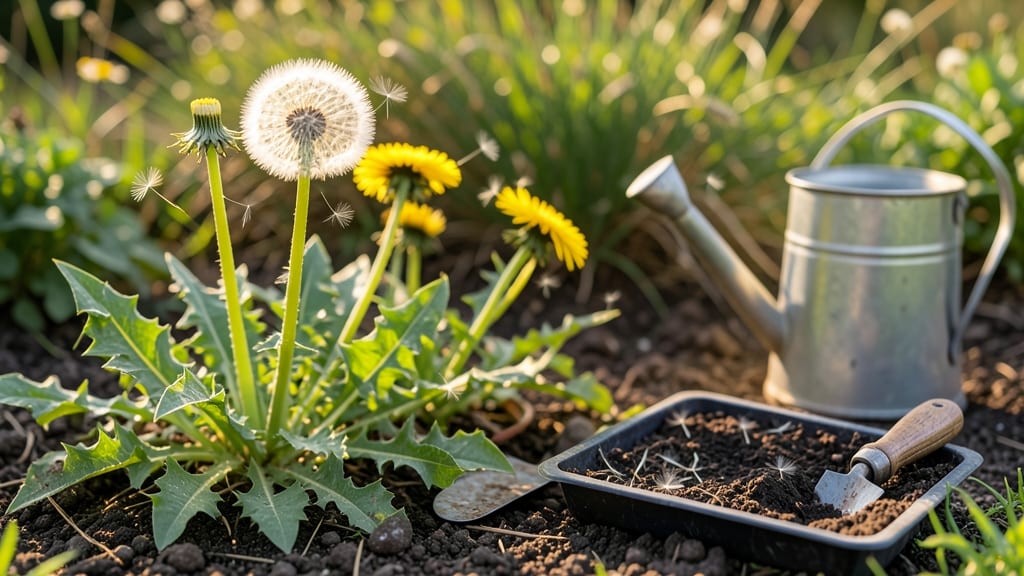
Let those bright yellow blooms turn into next year’s garden stars. ✨ Growing dandelions from seed isn’t just about letting them go wild—it’s a zero-waste way to create a pollinator paradise that spreads effortlessly.
I’ve turned my lawn’s "weeds" into a low-maintenance garden that blooms earlier and lasts longer than anything I’ve planted. The secret? Timing and patience. Plant seeds in early spring or fall when soil is cool but workable—no need for fancy prep.
Just scatter them where you want blooms next year, lightly rake them in, and let nature do the rest. They thrive in full sun or partial shade, need almost no watering once established, and outcompete weeds better than most garden plants.
By late summer, you’ll have fluffy seed heads that feed bees, butterflies, and birds—while giving you free seeds for another year. The roots even break up compacted soil, making your garden healthier without extra work.
This method works in any yard size, from small urban patches to sprawling countryside plots. Here’s how to make it work for you!
📚 In This Guide
- What you need
- Instructions
- Tips and common mistakes
- Wrapping up and next steps
What you need
- ● Dandelion seeds: Collect mature dandelion seed heads (look for fully dried, fluffy puffballs). Aim for at least 10-15 heads to ensure diversity and a bountiful harvest.
- ● Growing space: A sunny, open area (full sun, 6+ hours/day) with well-draining soil (dandelions hate soggy roots!).
- ○ Optional: A small raised bed or container (6" deep) if your soil is heavy clay or compacted.
- ● Garden tools: Hand trowel or small spade (for planting seeds).
- ● Garden gloves (to protect hands from prickly stems).
- ● Watering can or hose with a gentle spray nozzle.
- ● Compost or organic matter: Mix 1-2 cups per square foot into the top 6 inches of soil to improve fertility.
- ● Seed storage containers: Paper envelopes or small jars with breathable lids to store seeds until planting.
- ● Row markers or labels: Sticks or plant tags to track seed varieties (if experimenting with different dandelions).
- ● Organic mulch: Straw or shredded leaves (1-2 inches thick) to retain moisture and suppress weeds.
- ● Pruning shears: For trimming mature seed heads before they release into the wind.
- ● Seed-saving kit: A mesh bag or fine screen to collect seeds efficiently (great for zero-waste harvesting!).
How to grow a dandelion seed garden for next year’s blooms
Turn those stubborn weeds into a zero-waste seed source—here’s how I’ve done it successfully for years.
🌱 Step 1: Select Healthy, Pesticide-Free Dandelions
Choose dandelions growing in clean, chemical-free areas—avoid lawns treated with herbicides, which kill seeds. Look for plants with vibrant yellow flowers and no brown spots on leaves. The best seed heads form after the flowers close and turn fluffy white.
I like to scout in early summer when the first flowers appear. Walk around your neighborhood or local park, but always ask permission first. You’ll know a good patch when you see clusters of plants with at least 3-4 mature seed heads per square yard.
🌿 Step 2: Harvest Seed Heads at Peak Ripeness
Pick seed heads when they’re fully white and fluffy but before they scatter naturally. Use clean scissors or pruners to cut the entire seed head—don’t pull the whole plant. I harvest in late summer or early fall when the puffballs are dry but haven’t yet released seeds.
Place harvested heads in paper bags (not plastic—they need airflow to dry). Hang the bags upside down in a dry, shaded spot for 1-2 weeks until the seeds separate completely. You’ll know they’re ready when a gentle shake releases a cloud of seeds.
⏰ Step 3: Store Seeds Properly for Next Year
Once fully dry, store seeds in airtight glass jars with a tight lid. I label each jar with the harvest year and location—some varieties grow differently based on climate. Keep jars in a cool, dark place like a pantry or basement, where temperatures stay between 40-50°F.
Seeds remain viable for 2-3 years under these conditions. Check jars annually and shake them gently before planting to break up any clumps. If you see moisture or mold, discard those seeds immediately—they won’t germinate properly.
🌱 Step 4: Prepare and Plant Your Seed Garden
Choose a sunny spot with at least 6 hours of direct sunlight daily. Loosen the soil to a depth of 6 inches using a garden fork, removing any weeds or rocks. Dandelions thrive in poor soil, so no need for fertilizer—just break up compacted areas.
Scatter seeds evenly, aiming for 10-15 seeds per square foot. Lightly cover with ¼ inch of soil—dandelions need light to germinate, so don’t bury them deeply. Water gently but thoroughly until the soil is moist 1 inch deep.
☀️ Step 5: Maintain and Protect Your Seed Garden
Water deeply once a week during dry spells, but avoid overwatering—dandelions hate soggy roots. Let the soil dry slightly between waterings to prevent fungal issues. You’ll see seedlings emerge in 7-14 days, starting as tiny rosettes of leaves.
Thin seedlings to 6 inches apart once they reach 4 inches tall, keeping the strongest plants. Cover young plants with row covers or mesh if local wildlife (like rabbits or deer) is a problem. Mature plants will produce flowers in 6-8 weeks, ready for next year’s seed harvest.
Tips & tricks for perfect dandelion seed harvesting
Here's how I've turned my dandelion struggles into a reliable seed source year after year.
Timing is Everything: In Step 1, scout for those vibrant yellow flowers in early summer—they'll develop into seed heads by late summer. The key is harvesting when the puffballs turn fully white but haven't released seeds yet. I check them daily during this window because once they start scattering, you've missed your chance.
Harvesting Technique: When you're ready to harvest in Step 2, use clean scissors to cut the entire seed head—never pull the whole plant. This prevents disturbing the roots of neighboring plants and ensures you get the complete seed head. I like to harvest on a dry morning when dew has evaporated, as moisture can encourage mold during the drying process.
Drying Strategy: The 1-2 week drying period in Step 2 is crucial—don't rush it! I hang my paper bags in a well-ventilated area where they get some indirect light. The seeds are ready when they separate with a gentle shake, not before. This prevents premature seed release and ensures maximum viability for planting.
Storage Wisdom: For Step 3, I double-check my glass jars have tight lids before storing them between 40-50°F. I've learned the hard way that even a tiny gap can lead to moisture buildup. I also add a small silica gel packet to each jar for extra protection against humidity, especially in damp climates.
Pro Tips for Dandelion Seed Grow A Garden
- Here's how I've turned my dandelion struggles into a reliable seed source year after year.
- Timing is Everything: In Step 1, scout for those vibrant yellow flowers in early summer—they'll develop into seed hea...
- Harvesting Technique: When you're ready to harvest in Step 2, use clean scissors to cut the entire seed head—never pu...
Frequently asked questions
Got questions about growing dandelions from seed or harvesting them for next year’s garden? You’re not alone! Here are answers to the most common queries to help you succeed with your zero-waste dandelion garden.
When is the best time to plant dandelion seeds for a thriving garden?
Plant dandelion seeds in early spring (as soon as soil is workable) or late summer to early fall. These hardy perennials thrive in cool weather and can even self-seed if left undisturbed. For a continuous bloom, stagger plantings every 4–6 weeks.
Do I need to prepare the soil specially for dandelion seeds?
Dandelions are low-maintenance and grow in almost any soil, but they prefer well-draining, slightly acidic to neutral soil (pH 6.0–7.0). Loosen the top 2–3 inches of soil and mix in compost for faster germination. Avoid heavy clay or waterlogged spots—they dislike soggy roots!
Why aren’t my dandelion seeds germinating? Troubleshooting tips.
Seeds may fail to sprout if the soil is too dry, compacted, or too hot. Lightly water the area before planting, cover seeds with just ¼ inch of soil, and keep moisture consistent. If birds or wind scatter seeds, try pressing them gently into the soil or using a light mesh to protect them until they sprout.
Can I harvest dandelion seeds from wild dandelions for my garden?
Collect seeds from healthy, pesticide-free wild dandelions in late summer when the seed heads turn white and fluffy. Let them dry completely (1–2 weeks), then store in a paper bag until planting. Just avoid areas treated with herbicides or near roadsides to ensure pure, viable seeds.
Are there alternatives to dandelions for a low-maintenance, pollinator-friendly garden?
If dandelions aren’t your style, try clover, plantain, or yarrow—all thrive in tough conditions and attract bees. For edible options, consider chicory (similar flavor) or mallow. These plants also self-seed, reducing your workload while supporting local ecosystems.
Wrapping up and next steps
Growing a dandelion seed garden isn’t just about harvesting for next year’s blooms—it’s a zero-waste, rewarding journey that connects you to nature’s cycles. Whether you’re saving seeds for pollinators, creating art, or simply embracing sustainability, every step you take strengthens your garden’s resilience. 🌱
Now that you’re armed with knowledge, take the next step: plant those seeds with confidence! Start small—even a handful of dandelion fluff can spark a movement. Share your progress, experiment with designs, and watch your garden become a beacon for beauty and biodiversity. Happy growing! 🌸