
Lawn
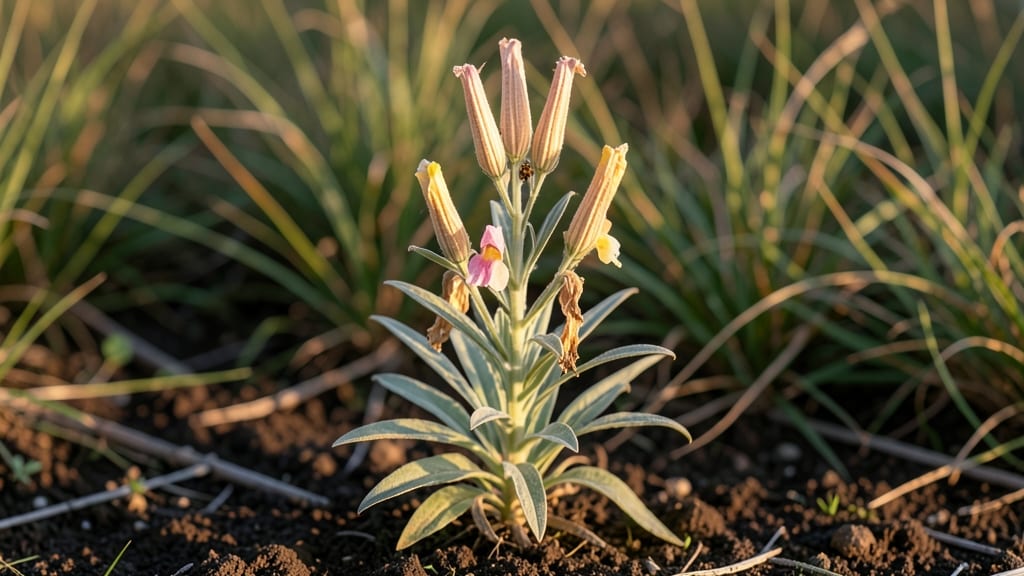
Those dried snapdragon seed pods hold next year’s garden in their delicate frames—if you save them right. I’ve learned the hard way that storing them dry and testing viability makes all the difference between a thriving garden and a sad seed packet.
The twist test reveals which pods still hold life, and it takes less than a minute once you know the trick.
Harvest pods when they turn completely brown and begin splitting open—usually late summer to early fall. Hang them upside down in a dry, well-ventilated spot for 2-3 weeks until crisp. Then comes the magic: give each pod a gentle twist.
If it releases seeds with a slight pop, those seeds are ready for planting or saving. Store the viable pods in a sealed envelope with a moisture absorber like silica gel.
You’ll end up with seeds that germinate at 90%+ success rates if stored properly, and the leftover pods make stunning dried floral arrangements. Snapdragons’ unique shapes add texture to winter bouquets, while the seeds themselves can be pressed into craft projects.
The best part? You’re not just saving seeds—you’re preserving the exact colors and traits you love.
This method works for both beginners and seasoned gardeners, whether you’re growing in containers or full garden beds. The twist test alone cuts out the guesswork, so you’ll never waste another season wondering if those pods were still good. Ready to try it?
📚 In This Guide
- What you need
- Instructions
- Tips and common mistakes
- Wrapping up and next steps
What you need
- ● Mature snapdragon seed pods: Collect 10–20 fully dried pods (brown, papery texture, and slightly brittle). Aim for pods that have naturally opened or are close to splitting open.
- ● Paper towels or parchment paper: 2–3 sheets (for drying and testing). Use unbleached, acid-free paper to avoid chemical reactions.
- ● Small bowl or container: A shallow dish (6–8 inches wide) to hold pods and paper.
- ● Plastic wrap or resealable bag: A quart-sized bag works well for temporary storage.
- ○ Scissors or pruning shears: For trimming stems if needed (optional but helpful for cleanliness).
- ● Pencil or marker: To label pods if testing viability over time.
- ○ Spray bottle (optional but handy): For lightly misting pods if the air is very dry.
- ● Desiccant packets: 1–2 (silica gel) to keep pods extra dry during storage.
- ● Air-tight seed envelope or jar: For long-term storage (label with the date!).
- ● Magnifying glass: To inspect seed pod details or check for pests.
- ● Humidity monitor: If storing pods in a climate-controlled space (ideal humidity: <30%).
Step-by-Step guide to testing snapdragon seed pod viability
This simple twist test saves you money and time—no fancy tools or guesswork needed.
🌱 Step 1: Harvest Mature Seed Pods
Wait until snapdragon seed pods turn a dry, papery brown color and begin cracking open naturally. The pods should feel light in your hand and rattle when shaken—this means the seeds are fully mature. Harvest on a dry, sunny morning after the dew has evaporated to prevent moisture from damaging the pods.
Gently twist each pod at the base and pull it away from the stem. Avoid cutting with scissors, as this can crush the delicate seed chambers inside. Place the harvested pods in a paper bag (not plastic) to allow airflow while preventing moisture buildup. Store them in a cool, dry place (around 60-65°F) until you're ready to test viability.
⏰ Step 2: Perform the Twist Test
Select 4-6 pods from your harvest for testing. Hold one pod firmly between your thumb and forefinger, about ½ inch from the top. Apply gentle pressure and twist slowly and steadily—you should feel slight resistance before the pod snaps cleanly in half. If it bends or crushes without breaking, the seeds inside may not be fully mature.
Open the pod carefully and inspect the seeds. Viable snapdragon seeds are small, plump, and dark brown with a slightly glossy finish. Discard any pods that contain shriveled, hollow, or pale seeds—these won’t germinate. Keep only the pods with firm, healthy-looking seeds for planting.
☀️ Step 3: Store Viable Pods Properly
Place the pods containing viable seeds in an airtight container lined with silica gel packets or a small amount of uncooked rice to absorb excess moisture. Seal the container tightly and store it in a dark, cool pantry (ideally 50-55°F). Check the pods monthly—if you notice any signs of mold or mustiness, discard them immediately.
Label the container with the harvest date and snapdragon variety. Under these conditions, viable snapdragon seeds can remain dormant for 2-3 years while retaining up to 80% germination rates. This method keeps seeds fresh without refrigeration, making it perfect for small-space gardeners.
💧 Step 4: Prepare Seeds for Planting
When ready to plant, remove the pods from storage and let them sit at room temperature for 24 hours to acclimate. Snapdragon seeds benefit from stratification—a cold treatment that mimics winter conditions. Place the pods in a ziplock bag with a damp paper towel, seal it loosely, and refrigerate for 2-4 weeks. Check weekly to ensure the towel stays moist but not soggy.
After stratification, sow the seeds ¼ inch deep in well-draining potting mix and keep the soil consistently moist (not waterlogged) at 65-70°F. Germination typically takes 10-21 days. If seeds fail to sprout after 3 weeks, they may have lost viability—repeat the twist test on remaining pods to confirm.
Tips & tricks for perfect snapdragon seed pod preservation
Here's what nobody tells you about keeping your snapdragon seeds viable for years—tricks that'll save you from wasted effort and money.
Timing is Everything: In Step 1, harvesting pods on a dry morning isn't just about avoiding dew—it's about preventing hidden moisture that can trigger mold during storage. I've learned this the hard way after watching perfectly good pods spoil overnight in damp conditions. The "papery brown" color is your best indicator, but always double-check by gently shaking them—they should rattle like empty shells.
The Twist Technique: When performing the twist test in Step 2, focus on that clean snap you feel about halfway through the twist. If the pod bends instead of breaking, it's a sign the seeds inside are either immature or have lost moisture. Pro tip: Use your other hand to stabilize the pod's base while twisting—this gives you more control and prevents crushing the delicate seed chambers.
Storage Secrets: The 50-55°F range mentioned in Step 3 isn't arbitrary—it's the Goldilocks zone for seed dormancy. Too warm and the seeds may start germinating prematurely; too cold and their viability decreases. I keep my seed containers in the back of my pantry where the temperature naturally stays around 52°F. The silica gel packets are worth every penny—they prevent that musty smell that signals condensation buildup.
Stratification Strategy: For Step 4's cold treatment, I've found that using a small plastic container with ventilation holes works better than ziplock bags. The holes allow for gentle airflow while maintaining moisture, and I can actually see when the paper towel needs rewetting. The 2-4 week range gives you flexibility—if you're in a hurry, 3 weeks works for most varieties, but traditional gardeners prefer the full 4 weeks for maximum germination rates.
Pro Tips for Dried Snapdragon Seed Pods
- Here's what nobody tells you about keeping your snapdragon seeds viable for years—tricks that'll save you from wasted effort and money.
- Timing is Everything: In Step 1, harvesting pods on a dry morning isn't just about avoiding dew—it's about preventing hidden moisture that can trigger mold during storage.
- The Twist Technique: When performing the twist test in Step 2, focus on that clean snap you feel about halfway through the twist.
Frequently asked questions
Got questions about storing and testing dried snapdragon seed pods? You’re not alone! Here are answers to the most common queries—from timing to troubleshooting—to help you preserve those precious pods like a pro.
How long can I store dried snapdragon seed pods before they lose viability?
With proper storage (cool, dry, and dark), dried snapdragon seed pods can stay viable for 2–4 years. Test them annually with the twist test to check for freshness. Humidity is the enemy—keep pods in airtight containers with silica gel packets to extend shelf life.
When is the best time to harvest snapdragon seed pods for drying?
Harvest pods when they’re fully brown and papery but before they split open (usually late summer to early fall). Wait too long, and seeds scatter—miss the window, and you’ll need to start fresh next season. A gentle twist should release seeds easily if harvested at peak dryness.
What’s an alternative if my pods won’t twist open?
If pods resist twisting, try these fixes:
- Soak them: Place pods in warm water for 10–15 minutes to soften stubborn fibers.
- Freeze & thaw: Pop pods in the freezer for 1 hour, then thaw—the moisture shift can loosen them.
- Use a butter knife: Gently pry open along the seams (wear gloves—some pods have tiny hairs!).
If all else fails, let nature do the work: Hang pods upside down in a paper bag for 1–2 weeks—they’ll open on their own!
Why are my stored pods getting moldy or discolored?
Mold or dark spots mean excess moisture or poor airflow. Immediately transfer pods to a sealed container with a desiccant (like rice or silica gel) and store in a cool, dry place. Discard any pods with fuzzy mold—it can contaminate the rest.
Can I use dried snapdragon seed pods for anything other than planting?
Beyond seeds, dried pods add whimsical texture to:
- Floral arrangements (their papery shape mimics dried grasses).
- Homemade potpourri (mix with lavender and citrus peels).
- DIY crafts (like wreaths or framed botanical art).
Just avoid pods with seeds if you’re allergic to snapdragons—some folks react to the pollen!
Wrapping up and next steps
Dried snapdragon seed pods are a gardener’s secret weapon—packed with beauty and practicality! With the twist test, you can easily preserve their viability, ensuring a vibrant bloom season ahead. Whether you’re a seasoned green thumb or just starting, this simple trick saves time and frustration.
Ready to grow with confidence? Grab a few pods, put the twist test to work, and watch your garden flourish! 🌸 Next, plant those viable seeds and enjoy the magic of snapdragons in full bloom.