
Container Gardens
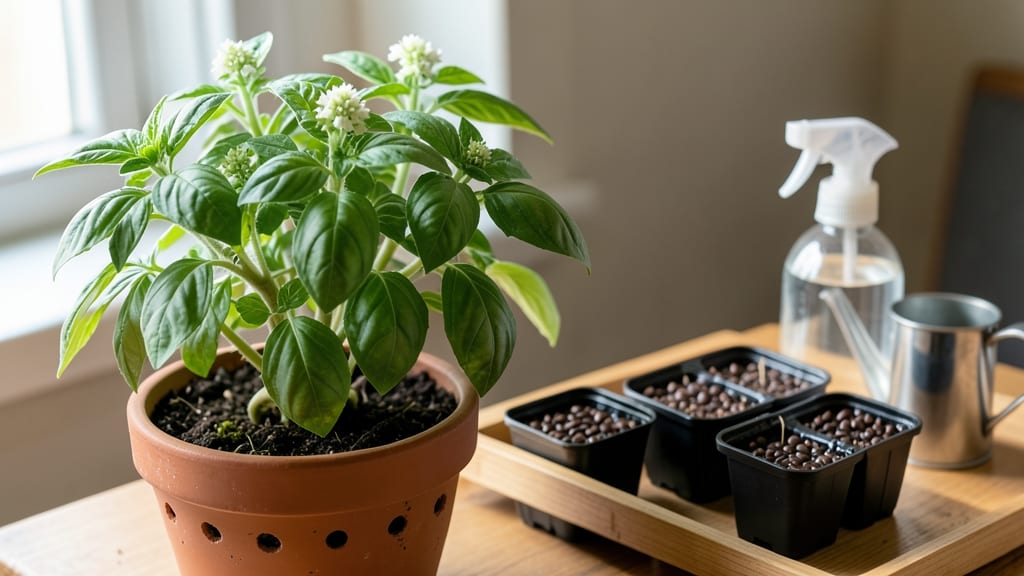
Growing basil from seed in containers gives you fresh herbs in just 3-4 weeks—no nursery trips or pricey plants. 🌱 I’ve started dozens of batches, and the key to speedy germination lies in warmth, moisture, and patience (though the plants grow fast once they sprout).
The right container setup turns even a tiny balcony into a productive herb garden.
You’ll need a shallow container (at least 6 inches deep), well-draining potting mix, and a sunny spot.
Basil seeds are tiny but mighty—plant them just 1/8 inch deep, keep the soil damp (not soggy), and maintain temperatures above 70°F. A seedling heat mat speeds things up if your space is cool. Within days, you’ll see those first green leaves.
By the time you’re pinching back your first harvest, you’ll have a bushy plant ready for snipping. Container basil stays compact, resists pests better than in-ground plants, and produces flavorful leaves all season. The best part? You control every variable—no weeds, no soil-borne diseases, just pure, productive growth.
Works for windowsills, patios, or even a sunny kitchen counter. Here’s how to keep your basil thriving from seed to harvest—no green thumb required.
📚 In This Guide
- What you need
- Instructions
- Tips and common mistakes
- Wrapping up and next steps
What you need
- ● Basil seeds: 1 packet (about 100-200 seeds, non-GMO preferred for best flavor).
- ● Containers: 1-2 4-6 inch pots (for seedlings) or
- ● 1 12+ inch container (for direct sowing or mature plants).
- ● Potting mix: 1 bag of seed-starting mix (sterile, lightweight, and well-draining).
- ○ Grow lights or sunny windowsill: A full-spectrum LED grow light (optional but ideal for indoor setups) or a south-facing window with 6+ hours of direct sunlight daily.
- ● Spray bottle: 1 (for gentle watering).
- ● Plastic wrap or humidity dome: 1 (to retain moisture during germination).
- ● Fertilizer: 1 bottle of balanced liquid fertilizer (5-5-5 or 10-10-10, diluted to half-strength).
- ● Heating mat: 1 (keeps soil at 70-80°F for faster germination, especially in cool climates).
- ● Self-watering planter: 1 (reduces maintenance for busy gardeners).
- ● Basil companion plants: Seeds for thyme, oregano, or lettuce (basil thrives with these!).
- ● Pruning shears: 1 (for harvesting and shaping plants).
- ● Label markers: 1 set (to track planting dates and varieties).
Step-by-Step instructions for growing basil from seed in containers
Here's how to coax those fast-growing basil seedlings into sturdy plants ready for harvest in just weeks.
🌱 Step 1: Prepare Containers and Seed Starting Mix
Start with 4-inch diameter containers (one per plant) filled with sterile seed-starting mix—never garden soil, which compacts and suffocates roots. I like to add a handful of perlite to the mix for extra drainage, then moisten it until it feels like a damp sponge. Press the soil down gently so it's firm but not packed—you want air pockets gone but roots able to push through easily.
Place the containers in a seed tray or shallow dish to catch excess water. The goal is to keep moisture consistent without soggy soil. I always label each pot with the date and variety—basil seeds are tiny, and you'll forget which is which if you don't. Use a toothpick to write on the pot surface before planting.
🌱 Step 2: Sow Seeds at the Right Depth and Temperature
Basil seeds are so small that I use a toothpick to place 2-3 seeds per container, spacing them evenly. Press them just ¼ inch deep—any deeper and they'll struggle to reach the light. Cover lightly with a sprinkle of additional mix, then mist the surface with water until it's evenly damp. Don't soak the soil; you want it moist, not waterlogged.
For fast germination, place the containers in a warm spot (75-85°F). A seedling heat mat speeds this up, but even a sunny windowsill or top of the fridge works. Keep the soil consistently moist—not dripping, just damp—until you see sprouts in 5-10 days. If the soil dries out, germination slows dramatically, and seeds may fail to sprout.
☀️ Step 3: Provide Bright Light and Prevent Leggy Growth
The instant those first cotyledon leaves appear, move the seedlings to bright, indirect light for 12-14 hours daily. A south-facing window is ideal, but basil grows leggy fast in weak light. If your seedlings stretch toward the window with pale stems, they're begging for more light. I use a grow light positioned 2-4 inches above the plants to keep them compact.
Rotate the containers a quarter turn daily so they grow straight instead of leaning. You'll see strong, bushy growth within a week if the light is right. Thin to one seedling per container once the first true leaves appear—gently snip the weaker ones at the base with scissors. This prevents overcrowding and gives the remaining plant room to thrive.
💧 Step 4: Water and Fertilize for Fast, Lush Growth
Water when the top inch of soil feels dry, but avoid soggy soil—basil roots rot easily. I use a spray bottle for the first two weeks to keep the soil evenly moist without disturbing the seedlings. Once they're established, water at the base to prevent fungal diseases. Fertilize lightly with a balanced liquid fertilizer (10-10-10) diluted to half strength every 2 weeks—this keeps growth vigorous without burning tender leaves.
Pinch off the top set of leaves when the plant reaches 4-6 inches tall to encourage bushier growth. This might seem counterintuitive, but it triggers lateral branching, giving you more harvestable leaves. You'll see new side shoots emerge within 5-7 days—that's your signal it's working. Keep the soil warm and the light bright, and you'll have harvest-ready basil in just 6-8 weeks.
✂️ Step 5: Harvest and Maintain for Continuous Production
Start harvesting the outer leaves when the plant reaches 6 inches tall, cutting just above a leaf pair to encourage regrowth. Basil grows fast, so you'll see new leaves fill in within 3-5 days. Never take more than ⅓ of the plant at once—this keeps it producing instead of going dormant. I harvest in the morning after the dew dries, when the oils in the leaves are most concentrated for flavor.
If your basil starts to flower, pinch off the buds immediately—this redirects energy back to leaf production. A flowering basil plant tastes bitter and grows slower. With consistent care, your container-grown basil will keep producing harvests every 2-3 weeks all season long. Just keep the light bright, the soil moist, and the temperature warm, and you'll have fresh basil on demand.
Tips & tricks for growing basil from seed in containers
These insider tricks will help you skip the common pitfalls and grow basil that's bushier, faster, and more flavorful than you ever expected.
Germination Boost: For even faster sprouts in Step 2, try soaking your basil seeds in warm water for 30 minutes before planting. This hydrates them and can cut germination time from 5-10 days to just 3-5 days. Just be sure to plant them immediately after soaking—don't let them dry out. I've found this works especially well when using older seeds that might be slower to sprout.
Lighting Hack: In Step 3, if you don't have a grow light, place your seedlings on a windowsill with the brightest light available and supplement with a LED desk lamp (even a cheap one) positioned 3-4 inches away for 12-14 hours daily. The combination of natural light and artificial light prevents the leggy growth that kills so many indoor basil plants. Rotate your containers every 12 hours instead of daily to maintain straight growth.
Soil Temperature Secret: The 75-85°F soil temperature range in Step 2 is critical—it's not just about warmth, but consistent warmth. If your home stays cooler than this, place your seed trays on top of the refrigerator (not inside) or use a small heating pad set to low. Cold soil slows germination and can cause uneven sprouting. I've seen germination rates drop by 50% when soil temperatures dip below 70°F.
Harvest Timing: When harvesting in Step 5, focus on the plant's growth pattern rather than just height. The 6-inch mark is a good guideline, but look for the third set of true leaves to fully unfurl—this is your signal the plant has enough energy to regrow. Harvesting at this stage gives you the best balance between yield and plant health. I've found that harvesting every 2-3 weeks keeps my plants producing continuously all season.
Pro Tips for Growing Basil From Seed In Containers
- These insider tricks will help you skip the common pitfalls and grow basil that's bushier, faster, and more flavorful than you ever expected.
- Germination Boost: For even faster sprouts in Step 2, try soaking your basil seeds in warm water for 30 minutes before planting.
- The combination of natural light and artificial light prevents the leggy growth that kills so many indoor basil plants.
Frequently asked questions
Got questions about growing basil from seed in containers? You’re not alone! Here are answers to some of the most common queries to help you cultivate a thriving herb garden with ease.
How long does it take for basil seeds to germinate?
Basil seeds typically germinate in 7–14 days when kept in warm, moist conditions (around 70–80°F). For faster results, use a seedling heat mat or place containers in a sunny windowsill. Patience is key—don’t overwater, as soggy soil can delay germination.
Can I grow basil indoors year-round in containers?
Basil thrives indoors with 6+ hours of sunlight daily (a south-facing window or grow lights work well). Keep temperatures between 60–75°F and avoid drafts. Just watch for leggy growth—rotate pots regularly or supplement with artificial light to keep plants compact and healthy.
What’s the best container size for basil seeds?
Start with small pots (3–4 inches deep) for seedlings, then transplant to 6–12-inch containers once roots appear. Basil has shallow roots, so wider pots (like 10–12 inches) encourage bushier growth. Just ensure containers have drainage holes to prevent root rot!
Why are my basil seedlings wilting or turning yellow?
Wilting or yellowing often signals overwatering, underwatering, or poor drainage. Check soil moisture—it should stay lightly damp, not soggy. Yellow leaves may also mean nutrient deficiency (use a balanced fertilizer) or pests (inspect for aphids or spider mites). Adjust care and monitor closely!
Can I grow other herbs alongside basil in the same container?
Yes! Basil pairs well with thyme, oregano, or parsley in larger containers (12+ inches). Avoid competing plants like mint or rosemary, which need different growing conditions. Just ensure each herb gets enough space and sunlight—basil is a heavy feeder, so it may outcompete slower growers.
Wrapping up and next steps
Growing basil from seed in containers is a rewarding journey that brings fresh, fragrant herbs right to your kitchen—no green thumb required! 🌱 With the right setup, patience, and care, you’ll enjoy fast germination, lush growth, and abundant harvests in just a few weeks.
Whether you’re a beginner or a seasoned gardener, this method proves that even small spaces can yield big flavors.
Ready to dive in? Start by planting your seeds today and watch your basil thrive! Once your plants are established, experiment with pruning, harvesting, or even sharing cuttings with friends. Happy growing—your future pesto awaits! 🍃