
Lawn
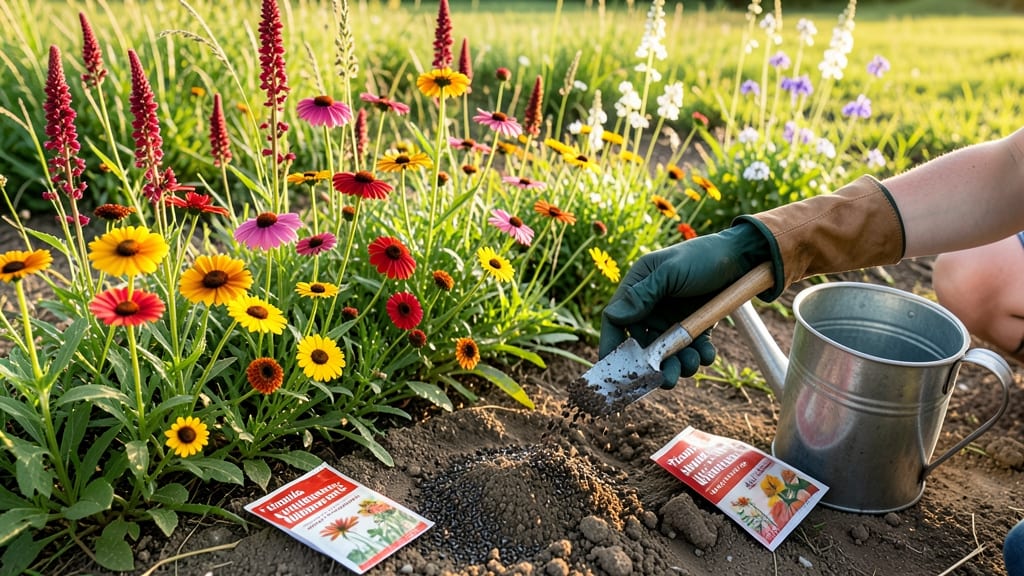
Your Florida wildflower seed mix transforms bare ground into a pollinator paradise within weeks. 🌻 I planted mine last October, and by February, butterflies and bees were already visiting—no waiting for summer heat to take hold like with annuals.
The secret lies in choosing native species that thrive in Florida’s humidity and sandy soils, then giving them the right start.
Start with a site that gets at least 6 hours of sun daily—wildflowers need light to establish strong roots. Scratch up the top inch of soil to loosen it, then sprinkle seeds thinly (they’re tiny!) and lightly rake them in.
A light mulch of straw keeps moisture in without smothering sprouts. Water gently every other day until seedlings appear, then let nature take over—once established, these plants handle drought like pros.
By late spring, you’ll see vibrant blooms in shades of purple, yellow, and white, and the hum of pollinators will drown out the usual Florida buzz of cicadas.
Native flowers like coreopsis and black-eyed Susans attract butterflies, while milkweed brings monarchs—every seed you plant is a tiny ecosystem in the making.
Pro tip: Let some seeds drop to the ground naturally for next year’s show. Florida’s mild winters mean many species reseed themselves, turning your garden into a self-sustaining pollinator buffet. Start small—even a 4x4-foot patch makes a difference for local wildlife.
📚 In This Guide
- What you need
- Instructions
- Tips and common mistakes
- Wrapping up and next steps
What you need
- ● Florida Wildflower Seed Mix: 1–5 lbs (per 100 sq. ft.), depending on your planting area. Choose a native Florida blend (e.g., Black-eyed Susan, Coreopsis, or Blanket Flower) for optimal pollinator appeal.
- ● Soil: Well-draining, native soil or a mix of topsoil and compost (avoid heavy clay unless amended). Test soil pH (ideal: 5.5–7.5 for most wildflowers).
- ● Watering Tools: Garden hose with a gentle spray nozzle (or a watering can).
- ○ Drip irrigation kit (optional but recommended for large areas).
- ● Prep Tools: Garden rake (for leveling soil).
- ● Hoe or cultivator (to loosen top 2–3 inches of soil).
- ● Mulch or Straw: Lightweight mulch (e.g., straw or pine needles) to retain moisture and suppress weeds (apply ¼-inch thick).
- ● Erosion Control Blanket: Biodegradable fabric for sloped areas to protect seeds from washing away.
- ● Pollinator-Friendly Additions: Native grass seed (e.g., Bahia or Wiregrass) to fill gaps.
- ● Wildflower companion plants (e.g., Milkweed for Monarchs).
- ● Markers or Stakes: To label your wildflower sections (fun for tracking blooms!).
Step-by-step guide to planting Florida wildflower seed mix
Here’s how to create a thriving pollinator paradise with minimal effort—just follow these simple steps.
🌱 Step 1: Prepare Your Site for Wildflower Success
Choose a sunny spot with at least 6 hours of direct sunlight daily. Wildflowers thrive in Florida’s heat but need well-draining soil—avoid low-lying areas where water pools. If your soil feels heavy or compacted, mix in 2-3 inches of compost to improve aeration and nutrient content. I like to test soil moisture by grabbing a handful; if it clumps tightly, it’s too dense.
Remove existing weeds or grass by hand or with a hoe, but avoid tilling deeply—wildflowers love disturbed soil that mimics natural disturbances. Rake the area smooth to create a fine seedbed. The goal is a loose, crumbly surface where tiny seeds can make contact with bare soil. If you’re planting in an established landscape, clear a 4-foot-wide strip along fences or edges for maximum visibility.
💧 Step 2: Scatter Seeds Evenly for Natural Beauty
Wildflower seed mixes contain a blend of tiny seeds, so precision isn’t critical—just distribute them evenly. I use a simple method: pour half the mix onto a sheet of cardboard or into a shallow container, then walk slowly across the prepared area while gently shaking seeds from my hand. For 1,000 square feet, you’ll need about 1 pound of seed mix—spread it thinly to avoid overcrowding.
Lightly rake the area again to press seeds into the soil without burying them. Most wildflower seeds need light to germinate, so avoid covering them with more than ¼ inch of soil. If you’re planting in windy conditions, consider misting the area with water afterward to help seeds settle. This step is where patience pays off—uneven distribution now means patchy blooms later.
☀️ Step 3: Water Gently and Wait for Germination
Keep the soil consistently moist but never soggy for the first 2-4 weeks. Water lightly every 2-3 days until you see the first green sprouts—this ensures seeds don’t dry out before they germinate. I use a gentle spray nozzle to avoid dislodging seeds. Overwatering here is the biggest mistake; you’ll know you’ve overdone it when the soil feels damp more than an inch deep.
Once seedlings appear, reduce watering to once a week unless there’s a prolonged dry spell. Wildflowers are drought-tolerant once established, but young plants need consistent moisture to develop strong roots. You’ll notice the first blooms in 6-12 weeks, depending on the mix—some varieties like cosmos and black-eyed susans germinate quickly, while others like milkweed take longer.
✂️ Step 4: Maintain and Enjoy Year-Round Blooms
After the first flush of blooms, let spent flowers seed naturally to encourage self-sowing for next year. However, trim back any aggressive spreaders like butterfly milkweed if they’re crowding out other plants. I use clean, sharp shears to cut back stems to 6 inches tall in late fall, which prevents woody growth and keeps the area tidy.
Wildflowers in Florida often bloom in cycles, so you’ll see color year-round if you’ve chosen a diverse mix. Fertilizer isn’t needed—these plants thrive in lean soil—but you can top-dress with a thin layer of mulch in early spring to retain moisture. The key is minimal intervention; once established, your wildflower patch will attract butterflies, bees, and hummingbirds with almost no effort on your part.
Tips & tricks for perfect Florida wildflower planting
A few simple strategies will help you transform your yard into a thriving pollinator haven with minimal effort.
Site Selection Matters: Florida’s intense sun and humidity create perfect conditions for wildflowers, but not all spots are equal. The 6 hours of direct sunlight requirement is non-negotiable—partial shade will result in leggy, weak plants that produce fewer blooms. I’ve found that south-facing areas get the most consistent sun exposure, but east-facing spots work too if they’re completely unobstructed. If your yard has mature trees, focus on planting near the edges where sunlight reaches the ground.
Soil Prep Secret: The 2-3 inches of compost recommendation isn’t just about nutrients—it’s about creating the right texture. Wildflowers thrive in loose, well-aerated soil that mimics natural Florida disturbances. After mixing in compost, do this quick test: grab a handful of soil and squeeze it. If it holds its shape tightly, you need more compost. If it crumbles easily, you’re good to go. This simple check prevents waterlogging that can drown seeds.
Seed Distribution Technique: For the 1,000 square feet coverage with 1 pound of seed mix, think of it like snowfall—light and even. I’ve learned the hard way that pouring seeds directly from the bag creates clumps that lead to patchy blooms. Instead, pour half the mix onto cardboard first, then shake it gently as you walk. This ensures seeds spread naturally rather than in concentrated piles. The ¼ inch depth guideline is crucial—any deeper and seeds won’t get the light they need to germinate.
Watering Wisdom: The 2-4 weeks of consistent moisture is where most people fail. I’ve seen beautiful seedbeds ruined by overwatering in the first week. Here’s my trick: water in the early morning so any excess evaporates by afternoon. Check soil moisture by sticking your finger about an inch deep—if it’s dry, water lightly. If it’s still damp, wait another day. Once seedlings appear, you’ll notice their resilience—this is when you can safely reduce to weekly watering.
Pro Tips for Florida Wildflower Seed Mix
- A few simple strategies will help you transform your yard into a thriving pollinator haven with minimal effort.
- Site Selection Matters: Florida’s intense sun and humidity create perfect conditions for wildflowers, but not all spo...
- Soil Prep Secret: The 2-3 inches of compost recommendation isn’t just about nutrients—it’s about creating the right t...
Frequently asked questions
Got questions about transforming your Florida landscape with wildflower seed mixes? You're not alone! Here are answers to the most common queries to help you grow a thriving, pollinator-friendly garden with ease.
When is the best time to plant Florida wildflower seed mix?
The ideal planting window is late summer through early fall (August–October), when soil is warm and rainfall is plentiful. This timing mimics natural conditions, giving seeds the best chance to germinate before winter. For spring blooms, sow seeds in February–March, but expect slightly slower establishment.
How much water do wildflower seeds need after planting?
Keep seeds consistently moist for the first 4–6 weeks—water lightly daily (or use a sprinkler) to avoid displacing them. Once seedlings sprout, reduce watering to 2–3 times per week (or rely on natural rainfall). Overwatering can drown seeds, while drought stress may delay germination. Mulch lightly (with straw or leaves) to retain moisture.
Will wildflowers attract pests like mosquitoes or ants?
Wildflowers attract pollinators like bees and butterflies, but they do not create mosquito breeding grounds—those pests need stagnant water. To minimize ants, avoid planting near high-traffic areas or use native, ant-resistant species like blanket flower (Gaillardia) or coreopsis. Most wildflowers are low-maintenance and pest-resistant!
Can I mix wildflower seeds with grass seed?
Yes! For a pollinator-friendly lawn, scatter wildflower seeds after grass seed has germinated (wait 4–6 weeks). Use a low-coverage mix (5–10% wildflowers) to avoid overcrowding. Avoid competitive grasses like St. Augustine—opt for tall fescue or bermuda instead. Pro tip: Mow wildflowers once per year (late winter) to encourage new growth.
Do Florida wildflowers survive winter?
Most Florida-native wildflowers are perennial and resilient, but some annuals (like cosmos or sunflowers) may reseed naturally. Cold snaps (<32°F) can damage tender seedlings, so plant after frost risk passes (check your local frost dates). Hardy species like black-eyed Susan or firebush thrive year-round with minimal care.
Are there affordable alternatives to pre-mixed wildflower seed blends?
Buy seeds in bulk from reputable native plant nurseries (e.g., Floridata) or split costs with neighbors. DIY mixes: Combine 50% native wildflowers (e.g., partridge pea, butterfly milkweed) with 30% clover (for nitrogen) and 20% annual fillers (e.g., sunflower, zinnia) for color. Skip non-native invasives like lovegrass.
Wrapping up and next steps
Transforming your Florida landscape into a vibrant pollinator paradise with a wildflower seed mix is easier—and more rewarding—than you think! 🌸 From supporting local ecosystems to creating stunning year-round color, these native blooms bring beauty and life to your yard.
Ready to take the next step? Start small—whether it’s a single patch of soil or your entire lawn—and watch your garden thrive with every season!
Next steps:
- Pick your perfect wildflower blend (sun-loving, shade-tolerant, or pollinator-focused).
- Grab your supplies and prep your soil—it’s simpler than you’d expect!
- Plant, water, and let nature do the rest.