
Pruning
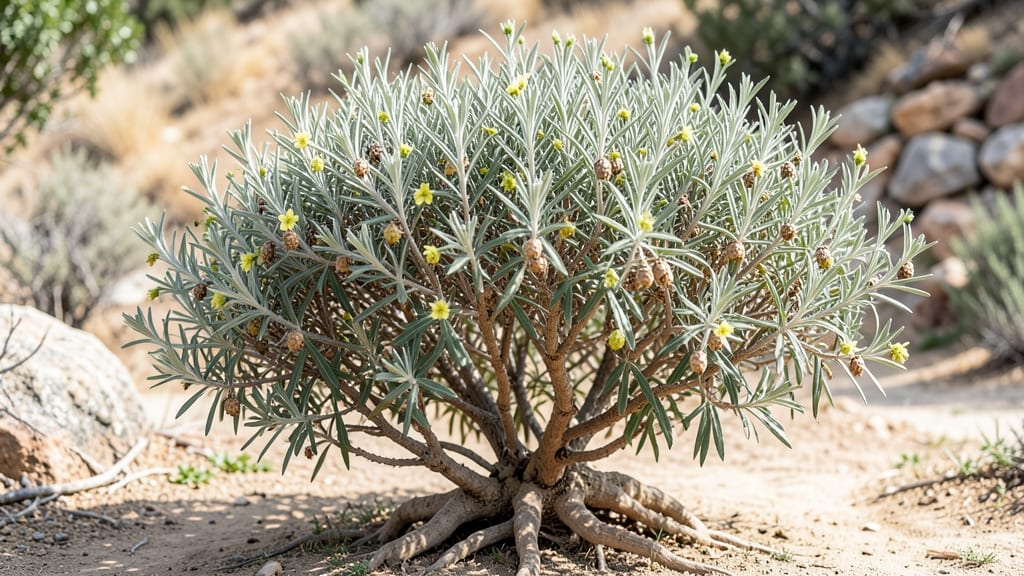
Growing a hopseed bush in Tucson means you get a desert-tough plant that thrives on neglect and still looks stunning. 🌵 The key isn’t coddling it—it’s knowing when to prune to keep it compact, encourage those signature seed pods, and handle our brutal summers with ease.
My first one nearly doubled in size in six months, and I barely touched it. This bush loves our well-draining soil and full sun, but the real magic happens when you prune strategically.
Cut back leggy growth in early spring, and you’ll trigger bushier growth that handles our 110°F+ heat without wilting. The seed pods add texture, and the foliage stays vibrant even when other plants fade.
What you end up with is a low-maintenance shrub that requires almost no water once established—perfect for water-wise landscaping. It’s drought-proof, pest-resistant, and even deer tend to leave it alone. That’s a win in any desert garden.
Whether you’re shaping it as a hedge, using it as a focal point, or letting it grow wild, this plant delivers year-round interest with almost no effort. Here’s how to keep it looking its best in our harsh climate.
📚 In This Guide
- What you need
- Instructions
- Tips and common mistakes
- Wrapping up and next steps
What you need
- ● Pruning shears – Bypass pruners (sharp, clean, and disinfected with rubbing alcohol to prevent disease). Quantity: 1 pair.
- ● Hand pruners – For smaller branches (1/4"–3/8" thick). Quantity: 1 pair.
- ● Loppers – For thicker branches (3/8"–2" thick). Quantity: 1 pair.
- ● Garden gloves – Durable, cut-resistant (desert thorns are no joke!). Quantity: 1 pair.
- ● Pruning saw – For thick, woody stems (if your bush has mature growth). Quantity: 1.
- ● Disinfectant – Rubbing alcohol (70%+) or hydrogen peroxide (3%) to sterilize tools between cuts. Quantity: Small bottle.
- ● Trash bag or bucket – For pruned debris. Quantity: 1–2.
- ○ Water & spray bottle – To dampen cuts (optional but helpful in Tucson’s dry air). Quantity: Small spray bottle.
- ● Sealing wax – For large cuts to prevent sap loss (not always needed for hopseed bush, but useful for other desert plants).
- ● Labeling tags – If you’re propagating cuttings from pruned branches.
- ● Safety glasses – If your bush is overgrown or thorny.
- ● Knee pads – For comfort if you’re working on the ground.
- ● Notebook & pen – To track pruning dates and growth patterns.
How to prune hopseed bush for desert resilience in Tucson
Tucson’s heat and dry spells demand smart pruning—here’s how to keep your hopseed bush thriving all year.
🌿 Step 1: Time Your Prune for Peak Health
Prune your hopseed bush in late winter or early spring, just as new growth begins. This timing lets the plant recover before summer’s intense heat. Look for fresh, plump buds along the stems—they signal the plant is waking up from dormancy. Avoid pruning in summer; the stress combined with Tucson’s dry air can weaken the bush and invite pests.
If you missed the window, a light trim in early fall works too, but cut back only 10-15% of the foliage. This gives the bush time to harden off before winter. Never prune in full summer—you’ll shock the plant and risk losing it to heat stress.
✂️ Step 2: Remove Dead or Damaged Wood First
Start by inspecting the bush for dead, broken, or diseased branches. These are easy to spot—they’re brown, brittle, or lack leaves. Snip them off at the base with clean, sharp pruners, cutting just above a healthy bud or node. This step prevents pests and diseases from spreading to the rest of the plant.
Next, look for crossing branches—these rub against each other, creating wounds that invite infection. Remove the smaller of the two branches at its point of origin. You’ll see new growth fill in naturally, keeping the bush dense and healthy. Don’t skip this—it’s the foundation for a strong structure.
☀️ Step 3: Thin Out for Better Airflow
Hopseed bushes thrive in Tucson’s heat when they get good airflow. Over time, the center of the bush can get crowded, trapping moisture and encouraging fungal issues. Focus on thinning out overlapping branches from the inside out. Aim to remove 20-30% of the total foliage, leaving an open, vase-like shape.
Trim back to outer branches that catch sunlight—this keeps the bush compact and reduces water stress. You’ll notice the remaining branches grow stronger and produce more flowers. Avoid heavy pruning in one go; instead, spread it over 2-3 sessions if needed, especially in extreme heat.
🪴 Step 4: Shape for Desert Survival
Give your hopseed bush a rounded, slightly dome shape to help it shed water efficiently. This shape mimics natural desert plants that conserve moisture. Use your pruners to trim back any long, leggy growth—these branches stretch for sunlight but weaken the plant. Cut just above a leaf node or bud to encourage bushier growth.
For a more formal look, you can also prune to a specific height, but avoid cutting more than one-third of the plant at once. In Tucson’s climate, less aggressive pruning means less stress on the bush. Step back occasionally to check your progress—you want a balanced, full appearance without bare spots.
💧 Step 5: Post-Prune Care for Desert Conditions
After pruning, water deeply but infrequently—this encourages strong root growth. Give the bush 1-2 inches of water per week, depending on rainfall. Let the soil dry out between waterings to prevent root rot, which is common in Tucson’s heavy clay soils. Mulch around the base with 2-3 inches of organic mulch (like bark or straw) to retain moisture and regulate soil temperature.
Fertilize lightly with a balanced, slow-release fertilizer in early spring to support new growth. Avoid heavy feeding—hopseed bushes are drought-tolerant and don’t need much extra nutrition. Watch for signs of stress, like yellowing leaves or wilting, and adjust your care as needed. With the right pruning, your bush will reward you with year-round blooms and lush foliage—even in the desert heat.
Tips & tricks for desert-tough hopseed bush pruning
These practical tips will help you master pruning for year-round growth in Tucson’s challenging climate.
Timing Secret: Watch for those fresh, plump buds in late winter or early spring—they’re your cue that the hopseed bush is ready for pruning. If you missed the window, a light fall trim (just 10-15% of foliage) still helps the plant harden off before winter. I learned this the hard way after seeing summer-pruned bushes struggle with Tucson’s dry air and heat stress.
Tool Tip: Use clean, sharp pruners to make precise cuts just above healthy buds or nodes. Dull tools crush stems and create entry points for pests. I always sterilize my pruners with rubbing alcohol between cuts when dealing with diseased branches—it’s a small step that prevents big problems later.
Airflow Strategy: When thinning out overlapping branches in Step 3, aim to remove 20-30% of total foliage from the inside out. This open vase shape isn’t just for looks—it’s how desert plants naturally conserve moisture. Spread heavy pruning over 2-3 sessions if needed, especially during extreme heat waves that Tucson experiences.
Shape Wisdom: That rounded, dome shape isn’t arbitrary—it mimics how native desert plants shed water efficiently. When cutting back leggy growth in Step 4, always cut just above a leaf node or bud. This encourages bushier growth that’s better adapted to Tucson’s intense sun. I’ve seen bushes with uneven shapes struggle more during our long dry spells.
Pro Tips for Hopseed Bush Tucson
- These practical tips will help you master pruning for year-round growth in Tucson’s challenging climate.
- Timing Secret: Watch for those fresh, plump buds in late winter or early spring—they’re your cue that the hopseed bush is ready for pruning.
- Tool Tip: Use clean, sharp pruners to make precise cuts just above healthy buds or nodes.
Frequently asked questions
Got questions about pruning your hopseed bush (Dodonaea viscosa) in Tucson’s desert climate? You’re not alone! Here are answers to the most common queries to keep your hardy shrub thriving year-round.
When is the best time to prune a hopseed bush in Tucson?
The ideal time is late winter or early spring (February–March), just before new growth starts. This aligns with Tucson’s mild winter and avoids stressing the plant during extreme summer heat. Light trimming after flowering (summer) can also encourage bushier growth, but avoid heavy cuts then.
How much can I trim back without harming the plant?
You can safely remove up to one-third of the plant’s height in a single session. For mature hopseed bushes, aim to thin out crowded branches first—focus on dead, crossing, or overgrown stems. Avoid “shearing” (cutting uniformly), as this encourages weak growth. Pro tip: Use sharp bypass pruners for clean cuts!
Will pruning affect my hopseed bush’s drought tolerance?
Pruning improves drought resilience by reducing water loss through dense foliage. After trimming, water deeply once a week (or biweekly in monsoon season) to help roots establish. Mulch with 2–3 inches of gravel or bark to retain moisture—just keep it 3 inches away from the trunk to prevent rot.
What if my hopseed bush isn’t growing after pruning?
Check for these issues first:
- Underwatering: Desert soils dry fast—water when the top 2 inches are bone-dry.
- Over-fertilizing: Hopseed bushes thrive in poor soil. Skip fertilizer unless leaves are yellow (then use a low-nitrogen option).
- Pests: Inspect for aphids or scale (wipe with soapy water if found).
- Sun exposure: Ensure it gets full sun (6+ hours/day)—partial shade slows growth.
Are there alternatives to hopseed bush for Tucson’s climate?
Yes! If you love low-maintenance, drought-tolerant shrubs, consider:
- Texas Ranger (Leucophyllum frutescens): Purple blooms after rain, thrives in heat.
- Desert Willow (Chilopsis linearis): Fast-growing with trumpet-shaped flowers.
- Ocotillo (Fouquieria splendens): Dramatic, spiky stems with spring blooms.
- White Bursage (Ambrosia dumosa): Silvery foliage and tiny yellow flowers.
Wrapping up and next steps
Mastering the art of pruning your hopseed bush in Tucson’s desert climate isn’t just about keeping it tidy—it’s about unlocking its full potential for year-round vitality. 🌵 With the right tools, timing, and techniques, you’ll transform your bush into a resilient, lush centerpiece that thrives despite the heat.
Whether you’re trimming for shape, health, or harvest, every snip brings you closer to a thriving desert garden.
Ready to put your new skills to work? Start small: pick one bush this weekend and give it the care it deserves. Before you know it, your Tucson landscape will be the talk of the neighborhood—one pruned bush at a time! 🌟