
Lawn
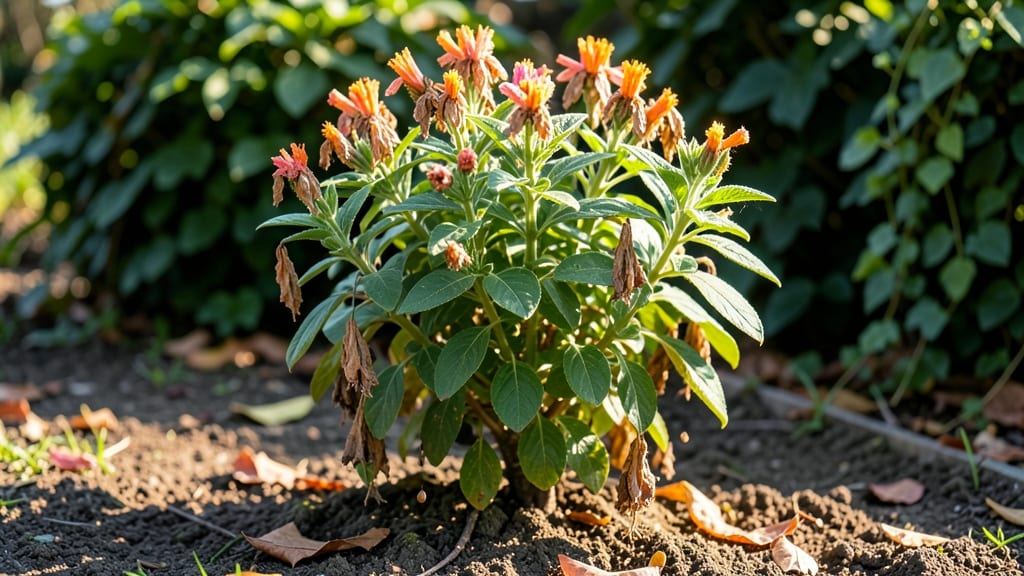
Lantana seed pods look like tiny, twisted dry capsules that cling to the plant like nature’s own decorative accents. 🌿 They start green, then shrivel into papery brown husks that split open when ripe, revealing hundreds of tiny black seeds inside—each one a potential new plant.
These pods grow in clusters at the base of spent flowers, where the stems meet the leaves. Up close, they resemble tiny egg-shaped containers with a slightly ribbed texture, about the size of a pea.
The contrast between their dried, papery exterior and the glossy black seeds inside makes them fascinating to examine.
Spotting these pods helps you time seed collection perfectly—wait until they turn completely brown and begin splitting. The seeds stay viable for years, so you can save them for spring planting or share them with fellow gardeners.
If you’re unsure what you’re seeing, compare them to a dried-up poppy seed pod or a tiny dried bean pod. The key is their twisted, elongated shape and the way they cling stubbornly to the plant long after the blooms have faded.
📚 In This Guide
- What you need
- Instructions
- Tips and common mistakes
- Wrapping up and next steps
What you need
- ● Safety gloves (nitrile or latex) – 1 pair (to protect hands from potential skin irritation or thorns).
- ● Pruning shears or sharp scissors – 1 pair (for cleanly cutting stems with seed pods).
- ● Magnifying glass or handheld microscope – 1 unit (to inspect tiny seeds and pod structures up close).
- ● Small plastic bags or paper envelopes – 3–5 units (for storing seed pods without crushing them).
- ● Notebook and pen – 1 set (to record observations like pod shape, color, or seed count).
- ○ Camera or smartphone – 1 device (optional but helpful for documenting details).
- ● Field guidebook – For identifying lantana species and distinguishing seed pods from other plants.
- ● Ruler or measuring tape – To record pod dimensions (lantana pods are typically 0.5–1 inch long).
- ● Drying tray or paper towels – If you plan to preserve pods for long-term study.
- ● Earplugs – 😉 (Only if you’re near a very chatty lantana bush—though pods don’t make noise, some gardeners swear they should!).
How to identify lantana seed pods in the garden
Spotting these unique seed pods is the first step to propagating new lantana plants—or simply understanding why your bushes look so wild.
🌿 Step 1: Locate the Seed Pods on the Plant
Lantana seed pods grow where flowers once bloomed, replacing spent blossoms with small, dry capsules. Look for clusters of these pods developing along the stems, especially after flowers fade. They appear in late summer or early fall, when the plant shifts from flowering to seed production.
These pods are tiny—about ¼ inch long—and often hidden among the foliage. Gently brush aside leaves to spot them; they resemble tiny, twisted brown horns or elongated pea pods. If you see clusters of these along the branches, you’ve found your seed source.
✂️ Step 2: Examine the Pod’s Shape and Texture
The defining feature of lantana seed pods is their twisted, spiral shape, almost like a tiny corkscrew or a dried-up snail shell. Run your finger along the pod’s surface—it feels rough and papery, not smooth like a pea pod or fleshy like a tomato.
When fully mature, these pods turn a deep brown or tan and split open at the seams. Inside, you’ll find dozens of tiny, flat seeds that resemble miniature coffee beans. If the pod hasn’t split yet, it’s not ready for harvesting.
💧 Step 3: Harvest Pods at the Right Stage
Wait until the pods are completely dry and brown—this usually happens in late fall or early winter, depending on your climate. Gently twist or pluck them from the stem; they should come off easily once mature. Avoid harvesting green or partially dried pods, as the seeds inside won’t be viable.
Place the harvested pods in a paper bag and let them dry further for a few days in a warm, dry spot. This extra drying ensures the seeds inside are fully mature and ready for planting. If you rush this step, the seeds may not germinate properly.
🌱 Step 4: Open the Pods to Check for Viable Seeds
Once fully dry, gently squeeze or cut open a pod to inspect the seeds. Healthy lantana seeds are small, flat, and dark brown, often with a slightly shiny surface. Discard any pods that feel hollow or contain only dust—these won’t produce plants.
If the seeds look shriveled or pale, they’re past their prime. Fresh seeds from mature pods have the best germination rates. Store viable seeds in a cool, dry place in a sealed container until you’re ready to plant them in spring.
⏰ Step 5: Understand the Germination Process
Lantana seeds don’t need stratification or special treatment—just plant them ¼ inch deep in well-draining soil after the last frost. Keep the soil moist but not soggy and place the container in a warm, sunny spot. Germination can take 2-4 weeks, so patience is key.
Once seedlings emerge, thin them to 6 inches apart to give each plant room to grow. Watch for the first true leaves—these will be small and round, signaling that the seedlings are established and ready for transplanting into the garden.
Tips & tricks for identifying lantana seed pods
Real talk: Those tiny twisted pods can be easy to miss if you're not looking for them. Here are the key details that'll help you spot them like a pro.
Timing is Everything: The pods only appear after flowers fade, typically in late summer or early fall. If your lantana isn't flowering yet, don't worry—you won't see pods until the blooms have finished their cycle. Mark your calendar for this seasonal shift, as it's the only window to find fresh pods.
Texture Test: Here's what nobody tells you—run your finger along the pod's surface. The rough, papery texture is your confirmation. Unlike smooth pea pods or fleshy tomatoes, these feel almost like crumpled paper. This texture clue helps distinguish them from other seed pods in your garden.
Color Clues: Mature pods turn deep brown or tan, but green or partially dried pods mean the seeds aren't ready. The color transformation is subtle—look for that transition from green to brown along the stems. This visual cue tells you exactly when to harvest for the best germination rates.
Storage Wisdom: Once you've collected your pods, place them in a paper bag and let them dry for a few extra days. This additional drying time (beyond the initial drying on the plant) ensures maximum seed viability. Store them in a cool, dry place until spring planting—this preserves their freshness for months.
Pro Tips for What Do Lantana Seed Pods Look Like
- Real talk: Those tiny twisted pods can be easy to miss if you're not looking for them.
- Timing is Everything: The pods only appear after flowers fade, typically in late summer or early fall.
- Texture Test: Here's what nobody tells you—run your finger along the pod's surface.
Frequently asked questions
Got questions about lantana seed pods?
You’re not alone! Here are answers to the most common queries—from identification to removal—so you can handle these pesky pods like a pro.
What do lantana seed pods look like up close?
Lantana seed pods are dry, woody capsules that start green, turn brown, and eventually twist into a spiral or corkscrew shape as they mature. When split open, they reveal tiny, dust-like seeds (about 1-2mm wide) that cling to fabric or fur. Think of them as nature’s mini treasure chests—but don’t open them unless you’re prepared for a seed explosion!
When do lantana seed pods form and how long do they last?
Seed pods appear late summer to fall, about 2-3 months after flowering. Once dry, they remain viable for years, releasing seeds with wind, rain, or even a gentle brush. If left unchecked, a single pod can produce hundreds of seeds, turning your yard into a lantana jungle overnight. Pro tip: Remove pods before they twist—early intervention saves time!
How do I safely remove lantana seed pods without spreading seeds?
Use gloves and a sealed bag to avoid seed dispersal. Never crush pods by hand—seeds can shoot out like confetti! Instead:
- Snip pods with pruners and drop them into a double-bagged trash bag.
- Soak pods in vinegar or bleach solution (1:10 ratio) for 24 hours to kill seeds before disposal.
- Burn pods only in designated burn areas (check local laws first).
Are lantana seed pods harmful to pets or kids?
While the pods themselves aren’t toxic, lantana plants are poisonous if ingested. Chewing or swallowing seeds/pods can cause drooling, vomiting, or weakness in pets or children. Keep kids/pets away from plants with dry, twisted pods—they’re a red flag! If exposure occurs, contact a vet or poison control immediately.
Can I still use lantana flowers for bouquets if pods are present?
Yes, but remove pods first! Cut flowers before pods form to avoid accidental seed spread. If pods are already present, trim them off and dispose of them properly. Lantana flowers are beautiful—just skip the seed pods! Bonus tip: Dry pods make unique, rustic decorations if seeds are removed first.
Wrapping up and next steps
Now that you know lantana seed pods resemble twisted, papery capsules with tiny hidden seeds inside, you’re equipped to spot them in your yard or garden! 🌿 Whether you’re managing invasive growth or simply curious about nature, this knowledge empowers you to take action—whether that’s removing them safely or admiring their unique structure.
Ready to tackle lantana? Grab gloves and a bag, then head outside to identify and remove these pods before they spread. Every small step makes a big difference! 🌱